
Last updated November 14, 2026
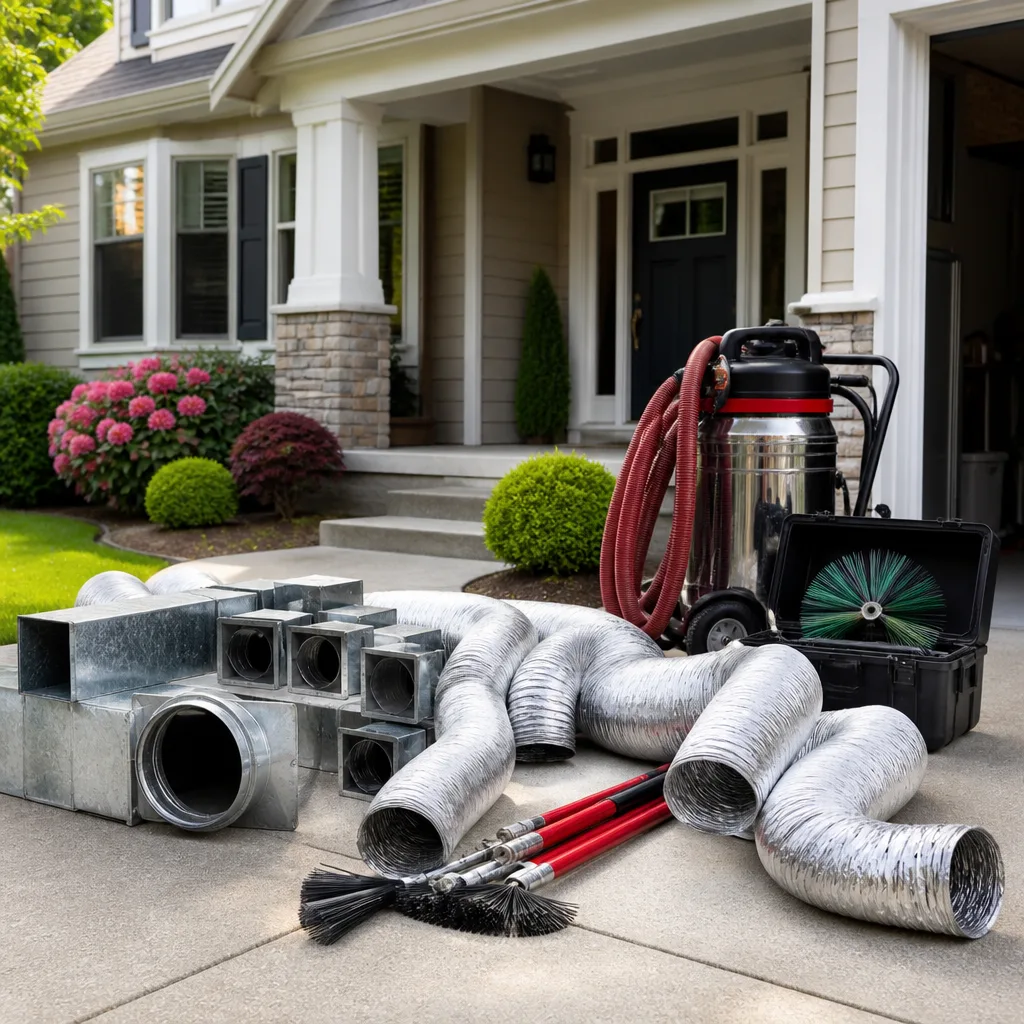 Whole-home duct cleaning
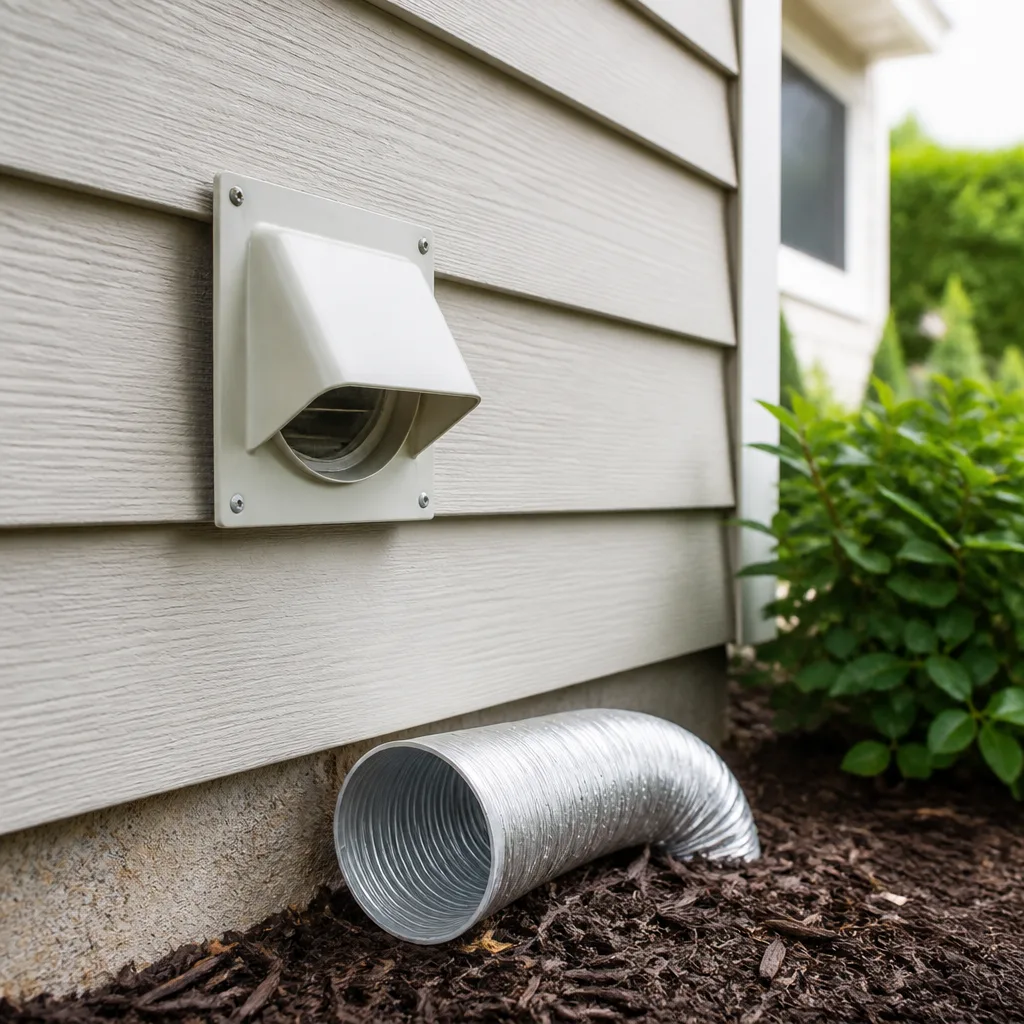 Dryer vent cleaning
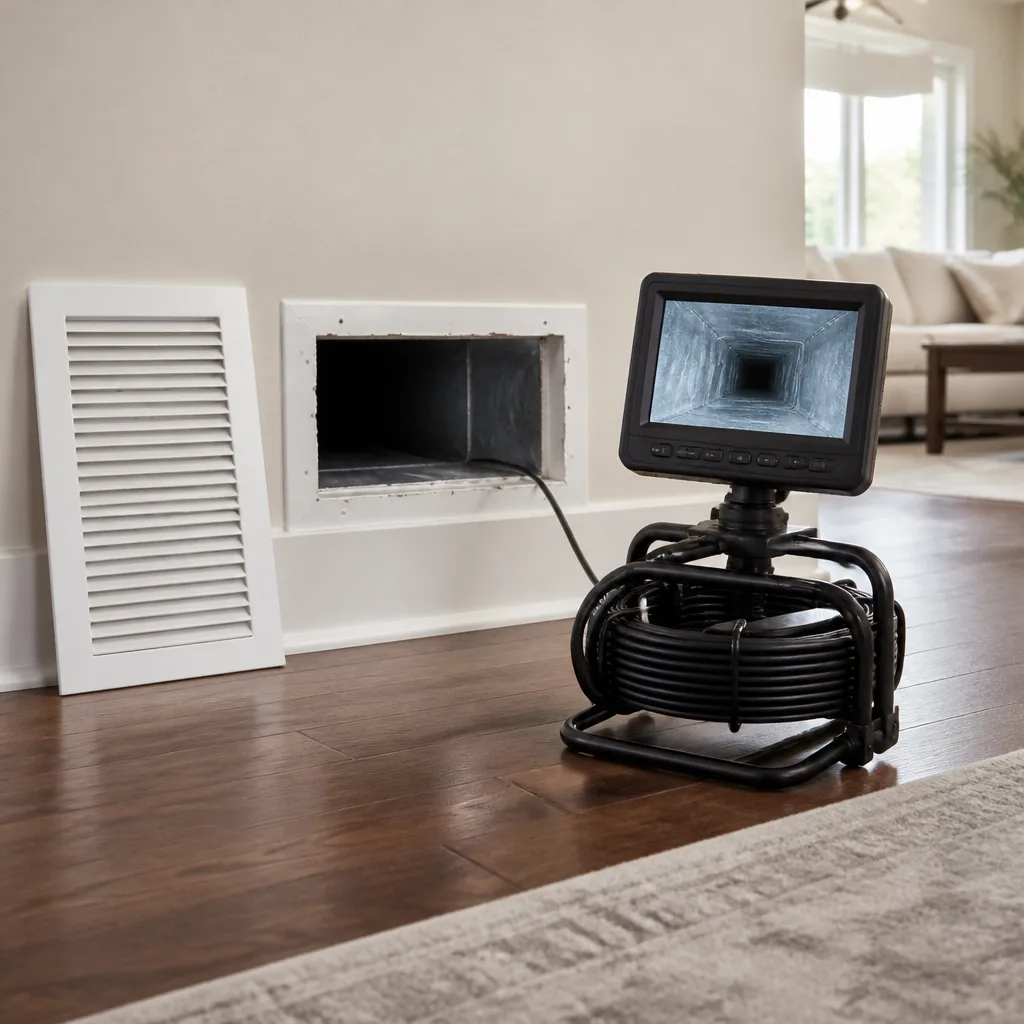 Camera inspection
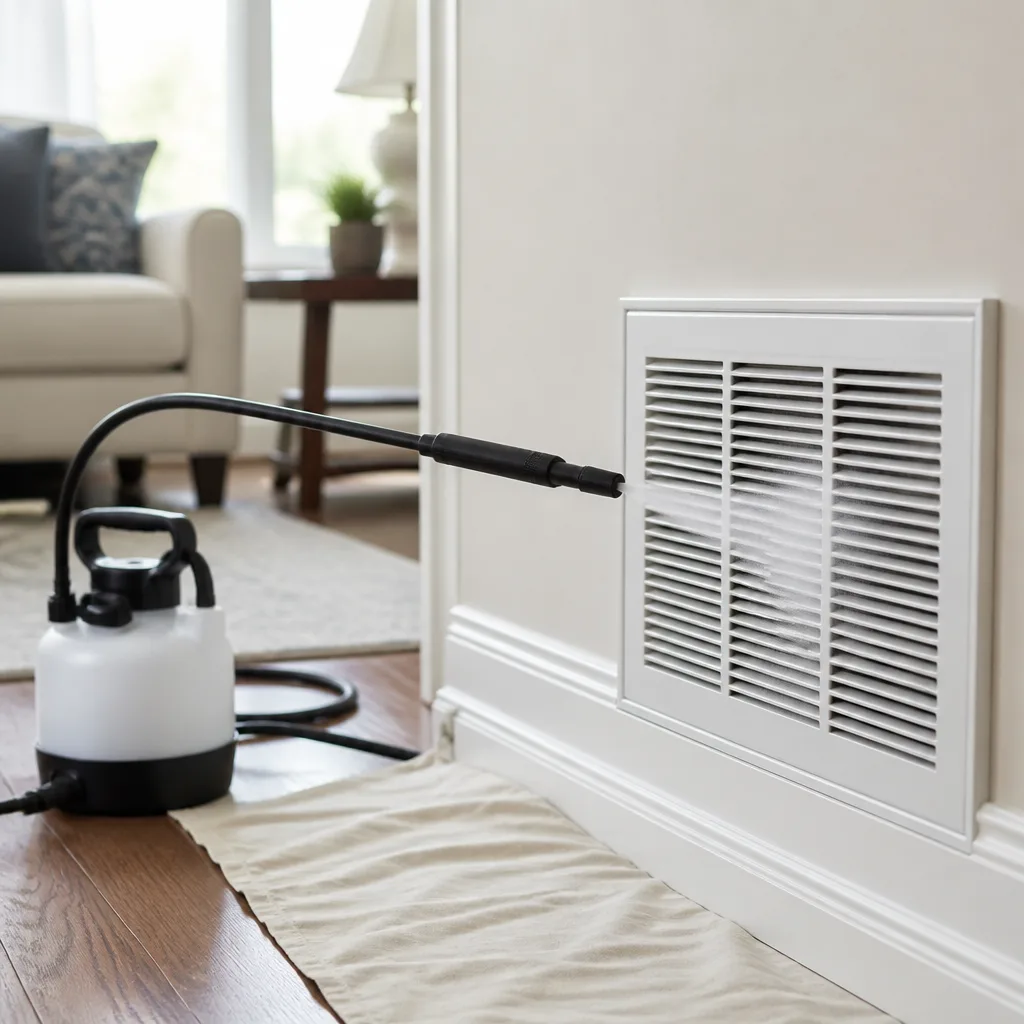 Sanitizing & deodorizing
Whole-system duct and dryer vent check with before-and-after photos - you see exactly what came out of your vents
That "$99 whole-house special" is a bait ad - the real number appears once they are in your hallway, or the "clean" is a shop-vac at the register. We photograph the inside of your ducts before and after instead.
The Complete Guide to Air Duct Cleaning in Newark
Most duct cleaning guides are written for a 2,000 square foot suburban ranch in Phoenix. Newark’s housing stock was built under different codes, in different eras, with ductwork that behaves nothing like the national average. That gap is exactly why so many local cleanings get cut short: a technician trained on newer flex systems walks into a prewar multifamily in the North Ward, opens a register, and finds a duct run he doesn’t have the equipment or the authority to handle. We wrote this guide to close that gap. You’ll learn what “complete” actually means for Newark ductwork, how the cleaning sequence should unfold, and what to ask before anyone shows up with a machine.
Quick Answer
Air duct cleaning in Newark is a multi-step process – inspection, negative pressure setup, agitation, HEPA filtration, and post-clean verification – and it takes longer in older Newark buildings because duct materials vary from galvanized steel to fiberglass board to aging flex that often needs repair, not just cleaning. A proper job accounts for the building’s era, its duct type, and the local air quality that loads those ducts faster than suburban benchmarks suggest. One flat price per system, agreed before work starts, is the standard to hold any contractor to.
Styles & brands we work with
- Whole-home duct cleaning
- Dryer vent cleaning
- Camera inspection
- Sanitizing & deodorizing
Table of Contents
- How Newark’s Building Eras Change the Cleaning Job
- Why Newark Air Loads Ducts Faster Than the Suburbs
- The Cleaning Sequence a Thorough Job Follows
- What Commercial-Grade Equipment Actually Means
- Combining Duct Repair and Dryer Vent Work
- What Air Duct Cleaning Costs in Newark
- What You Can Check Yourself vs. What Needs a Pro
- How Often Newark Ducts Need Cleaning
How Newark’s Building Eras Change the Cleaning Job
A duct cleaner who works only in newer suburbs will miss the three distinct duct materials sitting inside most Newark buildings. The city’s housing was built across generations, and each era used different methods. Recognizing which era your building belongs to tells you more about the job than the square footage ever will.
Prewar multifamily and converted industrial buildings. These are common throughout the Ironbound, the North Ward, and parts of downtown. Many started life without central ductwork at all and had systems retrofitted later. That often means galvanized steel runs with tight turns, later additions of flex duct that sag or disconnect, and in some cases duct wrap that a fiberglass or asbestos-suspect material may have gone into. We treat any insulation around an older duct as a material to identify before we disturb it – if there’s a chance of asbestos, cleaning stops until it’s abated by a licensed abatement contractor. That’s not something a duct cleaner can legally handle, and any company that offers to “clean right through it” is telling you something important about how they work.
Postwar ranches and two-family homes. These show up across the West Ward, Vailsburg, and the outer residential blocks. Ductwork here is usually sheet metal trunk lines with branch runs to floor registers, and sometimes early flex at the far ends. The metal holds up well; the connections between sections are where the leaks start. A cleaning that doesn’t include an inspection of every joint will miss the gaps that pull unfiltered air from crawlspaces and basements straight into the living space.
Midcentury and later conversions. Downtown loft conversions and rehabs done in the last few decades frequently mix duct board (rigid fiberglass board) with flex. Duct board is fragile. A stiff rotary brush in the wrong hands shreds the interior lining, and once that’s torn, no cleaning will fix it – only replacement will. This is where the right machine for the duct system matters: a Rotobrush setup with the correct soft brush head behaves very differently in duct board than a hard-bristled head cranked to full speed.
If you own an older Newark building and you’re not sure what’s inside the walls, ask. A company that assesses the material before quoting is a company that plans to do the work properly. For a closer look at what full-service work covers, see our air duct cleaning page.
Why Newark Air Loads Ducts Faster Than the Suburbs
Duct contamination is a function of what’s in the air outside the building. Newark is a dense, active city with heavy truck traffic, ongoing construction near the Ironbound and downtown, and a housing stock packed tightly along commercial corridors. All of that puts more particulate matter into the air, and your HVAC system pulls that air through a filter and into your ducts, day after day.
Suburban homes sit back from the road with lawns and setback space that filter some of the airborne dust before it reaches the house. Newark homes sit closer to the street, with less buffering. Diesel exhaust from truck traffic, road dust from repaving and utility work, and construction debris from active development all settle onto nearby roofs and get drawn in through return vents. The result is that Newark ductwork fouls faster than a national guide written for quieter settings would suggest.
What does that mean in practice? Duct cleaning intervals should be measured against conditions, not just the calendar. We’ve found that:
- Homes on active truck corridors and near construction sites need more frequent cleaning than suburban baseline recommendations.
- Multifamily buildings with shared returns collect contamination from every unit served, and one dirty return can foul the whole branch.
- Ground-floor and basement apartments in prewar buildings are closer to crawlspace dirt and often show heavier contamination than upper floors.
- Converted commercial and industrial spaces often have return paths that were never designed for residential occupancy, pulling air from unusual places.
The filter on your furnace is your first defense, not your only one. And a filter can’t stop contamination from the leaks and gaps that develop over decades in older duct runs. If you smell stale air, see visible dust around registers, or notice that rooms closest to the return never feel as fresh as the rest of the house, that’s the signal that loads are building up.
The Cleaning Sequence a Thorough Job Follows
A proper cleaning follows a fixed sequence, and every step matters. When a crew skips one, the results show up as dust settling back into the ducts within weeks. Here’s the order a thorough job follows:
- Inspection first. The technician opens registers, looks inside the trunk lines, and maps the system. They note every duct material, every joint, and every section that looks damaged. At this point, an honest technician will flag anything that needs repair or testing before cleaning begins.
- Set up negative pressure. A high-powered vacuum connects to the main trunk or a dedicated access point, creating constant inward airflow through the entire system. Every open register gets sealed so the vacuum pulls from everywhere at once. Without proper negative pressure, debris disturbed by agitation simply settles back into rooms and into other duct runs.
- Agitate the ducts. Rotating brushes, compressed air whips, and specialized heads loosen contamination from duct walls. The tool matters. Stiff brushes on duct board damage the lining; the right head on metal scrubs it clean. This is where the Rotobrush and Nikro systems earn their keep, because they offer the range of brush heads and agitation methods that older Newark systems demand.
- HEPA filtration. The exhaust air from the vacuum unit passes through HEPA filters before returning to the room. Abatement Technologies equipment is the same class used in professional mold and contaminant remediation, and it’s the standard for keeping fine particulate out of the air while you’re inside the building.
- Verify after cleaning. The technician opens registers and access points again, checks the duct walls, and confirms that debris has been removed. Before-and-after photos of your own ducts are the proof that the work was actually done, not claimed.
- Seal access points and replace filters. Any holes cut for cleaning get sealed. The return to service matters as much as the cleaning itself.
What gets skipped when a crew rushes: the inspection, the verification, and often the agitation on the branch runs. A crew that only pulls vacuum from the trunk and calls it done has cleaned perhaps half the system. Long runs to the far rooms never see enough airflow to dislodge contamination. That’s the gap between a quick visit and a proper job. If you want the full detail of what our cleaning service includes, the Duct Cleaning Newark home page lays it out.
What Commercial-Grade Equipment Actually Means
“Commercial grade” gets tossed around loosely. What it should mean in practice is three things: enough CFM (cubic feet per minute of airflow) to hold negative pressure across a whole system, brush heads that are compatible with older duct gauges and materials, and a HEPA filter stage that keeps fine particulate out of the building.
Undersized machines are the most common cut corner in this trade. A small vacuum connected to one register at a time can’t pull sufficient negative pressure through long trunk runs. When agitation loosens debris, the weak vacuum can’t capture it, so it stays in the duct or settles downstream. Older Newark systems – especially those with long runs through prewar buildings – need a machine with real CFM behind it to do the whole system at once.
The second issue is brush head compatibility. Duct gauges have changed over the decades. Some older galvanized trunk lines are larger or narrower than modern standard, and some branch runs have odd bends that a stiff brush can’t navigate. A matched set of heads – soft for duct board, medium for flex, stiff for bare metal – lets the technician clean every section without damaging anything. This is why we run both Rotobrush and Nikro platforms rather than a single proprietary system: two independently recognized equipment lines mean the right tool for each duct, rather than forcing every duct through one method.
Third, HEPA filtration. When we pull air out of the ductwork, the machine exhausts it. If the exhaust isn’t filtered, the particulate that just came out of the duct goes straight into the room. Abatement Technologies equipment is the same brand used in professional remediation settings, and it keeps that fine material contained. Guardsman-level care standards apply to surfaces and systems in the home while the work is underway. The overall effect is that commercial-grade equipment, residential pricing – the same class of machinery the pros use, sized correctly for the job.
Combining Duct Repair and Dryer Vent Work
Most duct cleaners find a problem and leave it alone. Loose joints, disconnected branches, torn flex, and gaps around registers are common discoveries during a cleaning, and a company that only cleans will hand you a clipboard and suggest you call someone else. Air duct repair is one of our named services because we’d rather fix what we find than leave it for the next person.
Repair matters in Newark’s multifamily and attached-home stock more than most people realize. Shared walls and shared returns mean a disconnected duct in one unit can dump unfiltered air into another. A repair that seals that gap closes the loop for the whole building. We close gaps, re-seal joints, and repair or replace damaged sections as part of the same call, so you’re not scheduling a second contractor to finish a job that was half-done.
Dryer vent cleaning is the third piece. Dryer vents collect lint with every cycle, and a clogged vent is a genuine fire risk. This is not a scare tactic; it’s a physical fact about how household dryers work. Most duct-only companies don’t touch dryer vents at all. We do, and doing duct cleaning and dryer vent work on the same visit reduces the total labor for attached homes and multifamily buildings, where both systems often run through the same utility chases and share access points.
Three services under one provider – air duct cleaning, dryer vent cleaning, and air duct repair – also means one contractor to coordinate rather than three. In a Newark two-family or a small commercial building, that logistics alone is worth planning for. If your dryer is taking longer than usual, your lint trap fills fast, or you notice the exterior vent flap barely opening, that’s the moment to book both services together. You can see what the dryer vent side covers on our dryer vent cleaning page.
What Air Duct Cleaning Costs in Newark
Air duct cleaning in Newark typically runs on a whole-system price basis, not per-vent. The exact number depends on the number of systems in the building, the duct type, the contamination level, and whether repair is needed. We never quote a per-vent price or a teaser coupon rate, because those numbers almost never reflect what a job actually takes. What we do offer is one flat price per system, agreed before work starts, based on what the inspection actually shows.
Here’s how pricing typically breaks down for the three services we cover:
- Air duct cleaning (whole system): The flat price depends on system size and duct configuration. Older Newark systems with mixed materials and long branch runs usually fall on the higher end because they take more time and more care; a compact system in a newer build falls lower. The written estimate sets the final price.
- Dryer vent cleaning: Priced as its own job, and less when combined with duct cleaning on the same visit for the reasons described above.
- Air duct repair: Quoted per repair after inspection, since the scope varies entirely with what’s found.
If you’ve been offered a low headline price over the phone without an inspection, ask what happens when the technician finds a disconnected duct or a material that needs repair. The bait-and-switch pattern in this trade is a low coupon price that grows into a much larger invoice once the technician is on site. The honest alternative is a written estimate for the whole system before work starts, with before-and-after photos of your own ducts as the record of what was done. The estimate is free, and you’ll know the price before anyone touches your ductwork.
If you want a starting point on cost, call (866) 485-3609. We answer 24/7, with fast dispatch from 7am to 7pm, Sunday through Friday. The written estimate is the price – no per-vent billing, no fees added later.
What You Can Check Yourself vs. What Needs a Pro
Some diagnostics you can do without equipment. Others genuinely need a trained technician with the right machine. Walking that line carefully protects your ductwork and, in the case of dryer vents, protects your household.
What you can check safely:
- Lift a floor or ceiling register and look inside with a flashlight from a distance. Heavy dust buildup, debris, or visible tears in flex are worth documenting.
- Check whether every register in the home has airflow when the system runs. A register with weak or no airflow can indicate a disconnected duct.
- Look at the outdoor dryer vent flap while the dryer is running. If it barely opens or lint is visible around it, the vent is clogged and needs attention.
- Note dust patterns around registers, frequent headaches of “stale” air, or musty smells from vents. These are conditions to report, not problems to fix.
- Look at the furnace filter. If it loads quickly, your system is working hard against something; that’s a reason for an inspection, not a sign to clean the ducts yourself.
What needs a professional:
Anything that requires opening the duct system, agitating the duct interior, or accessing the main trunk line. A homeowner with a shop vac and a register brush can loosen surface dust, but that dust has nowhere to go except into the room. Without negative pressure and a HEPA exhaust, DIY duct “cleaning” just redistributes contamination.
Two specific cases where you should stop and call a pro: any older insulation wrapped around ductwork (potential asbestos – do not disturb), and any electrical or gas connection near the duct system. Duct cleaning that requires moving gas lines or working around an electrical panel should be handled by a trained technician, not attempted casually.
How Often Newark Ducts Need Cleaning
There’s no single number that fits every Newark home. A reasonable starting point is every three to five years for a typical home, but Newark conditions often compress that. If you live near active construction or a heavy truck corridor, live in a multifamily building with shared returns, or have pets or allergy-sensitive household members, plan on more frequent cleaning intervals. If you’ve recently completed a renovation that put dust in the air for weeks, book an inspection soon after.
Instead of counting years, watch for signals that loading has reached a problem level:
- Visible dust trailing out of registers shortly after you clean the room.
- Rooms that never feel as fresh as the rest of the house, especially rooms furthest from the return.
- Musty or stale smells from supply vents, particularly when the system starts up.
- Allergy symptoms that worsen indoors and improve outside the home.
- Recent renovations, roof work, or construction nearby that threw fine dust into the air.
- A dryer that takes longer than usual to dry, or lint collecting around the exterior vent.
Two or more of these together usually justify an inspection. An inspection is a low-cost way to find out whether cleaning is needed now or whether you can wait. It’s also the moment to ask about air quality systems like Honeywell or Aprilaire, which can help control what gets into the ducts in the first place. Cleaner air starts at the source, and a filtration upgrade plus proper cleaning together does more than either alone.
Common Mistakes to Avoid
- Accepting a phone quote without an inspection. Newark duct systems vary enough by era and material that no honest cleaner can price the job without seeing the system. A quoted price that doesn’t follow a site inspection is a number that will change the moment a technician is standing in your basement.
- Paying per vent. Per-vent pricing encourages cleaning only the easy-to-reach registers. Ask for one flat price per system, so every branch run gets the same attention.
- Skipping the post-clean verification. If the crew doesn’t show you the duct interior after cleaning or provide before-and-after photos of your actual ducts, you have no way of knowing what was done. Insist on visual proof.
- Cleaning around a disconnected duct instead of repairing it. A loose joint or torn flex section keeps pulling dirty air into the system. Cleaning without repair leaves you back where you started.
- Ignoring the dryer vent. Dryer vent lint is a genuine fire hazard, and many duct-only companies don’t handle it. Have the vent inspected at the same time as the ducts.
- Hiring a company that can’t tell you what equipment they use. If the answer is “our proprietary machine” with no brand behind it, the machine may be undersized for the system. Ask specifically about the vacuum platform and the filtration stage.
- Buying a cleaning when you actually need a repair. If the inspection shows torn duct board, disconnected branches, or aging flex, a cleaning without repair is wasted money. The full picture – clean, repair, clear – is the standard to hold the contractor to.
See the difference
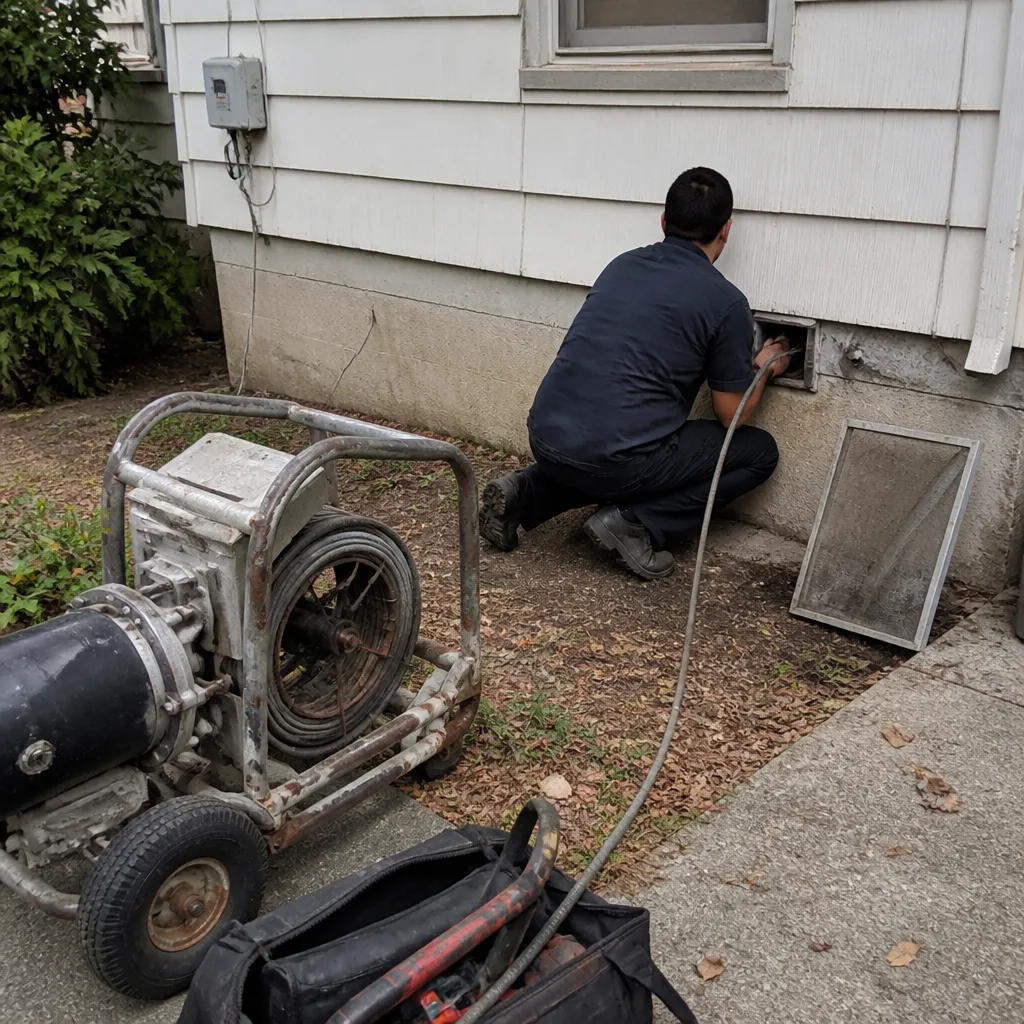 Before
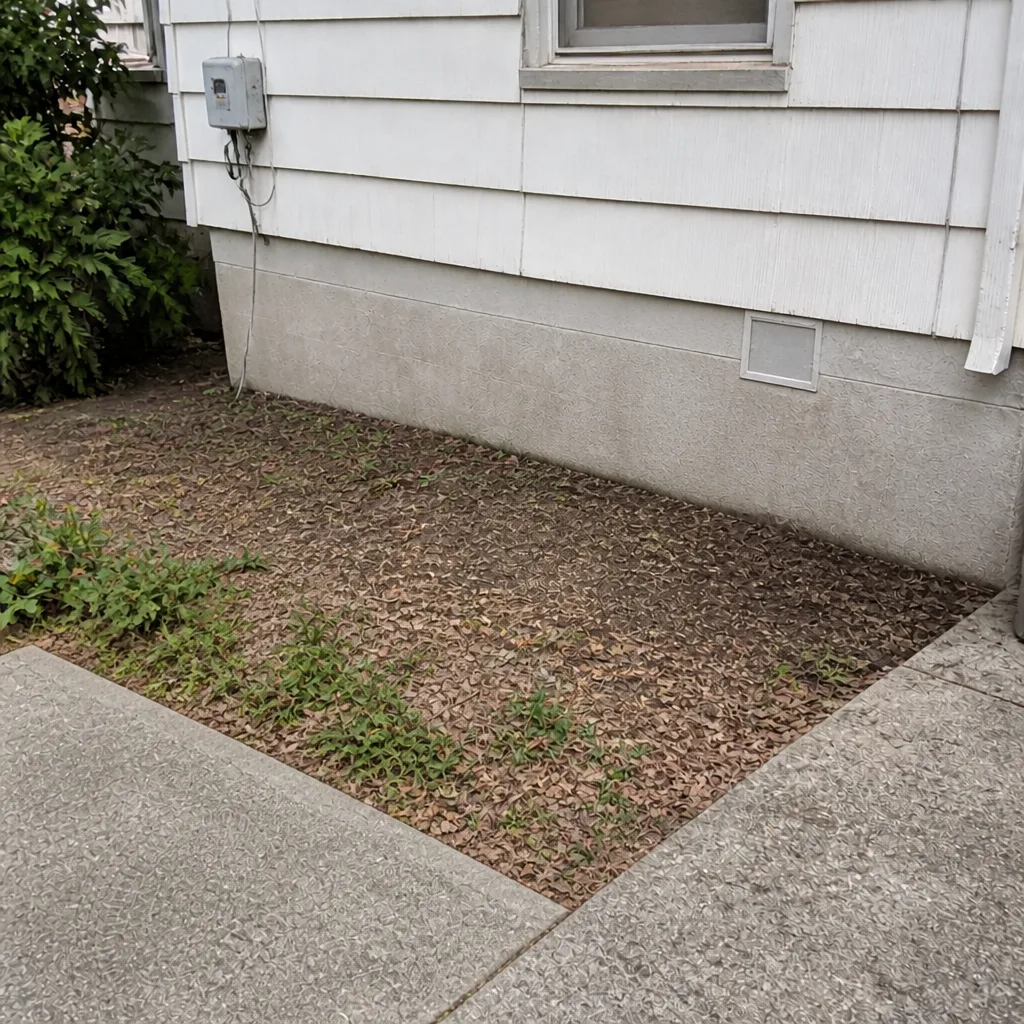 After
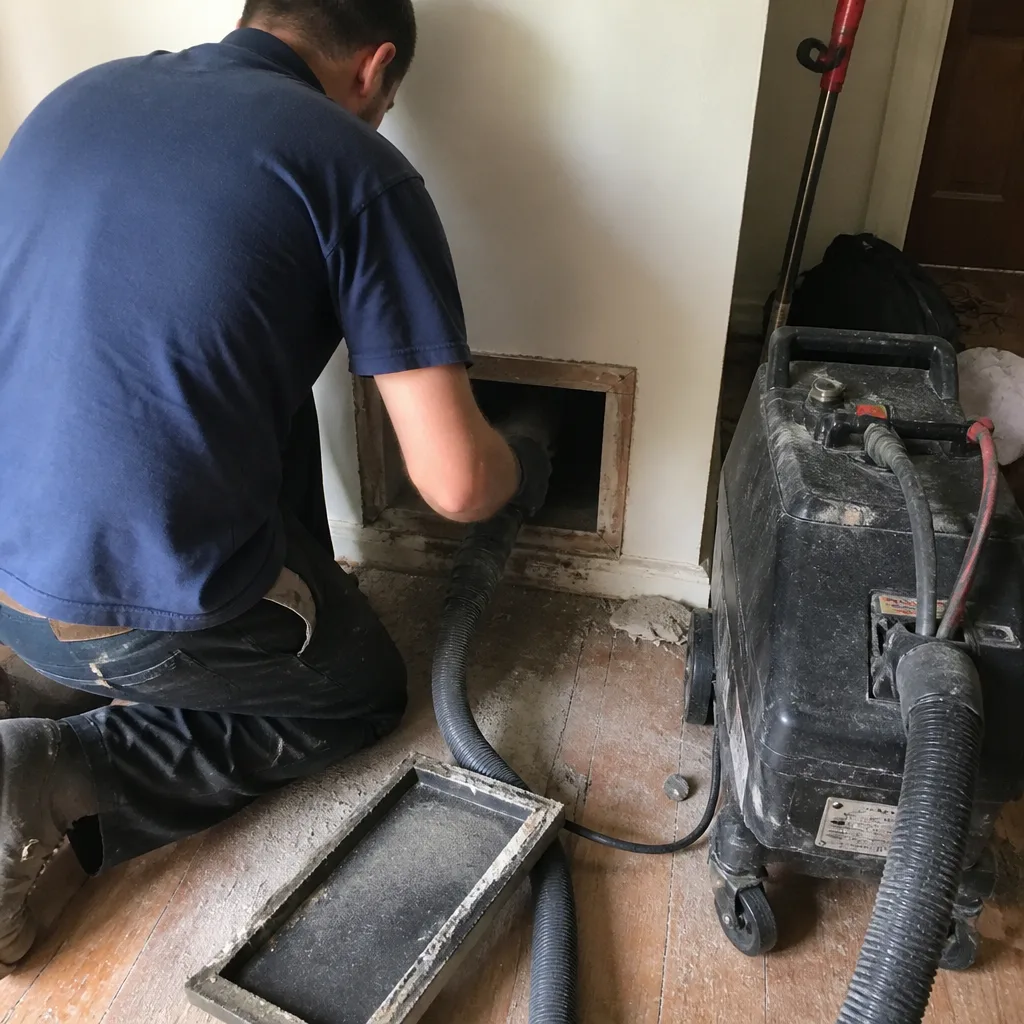 Before
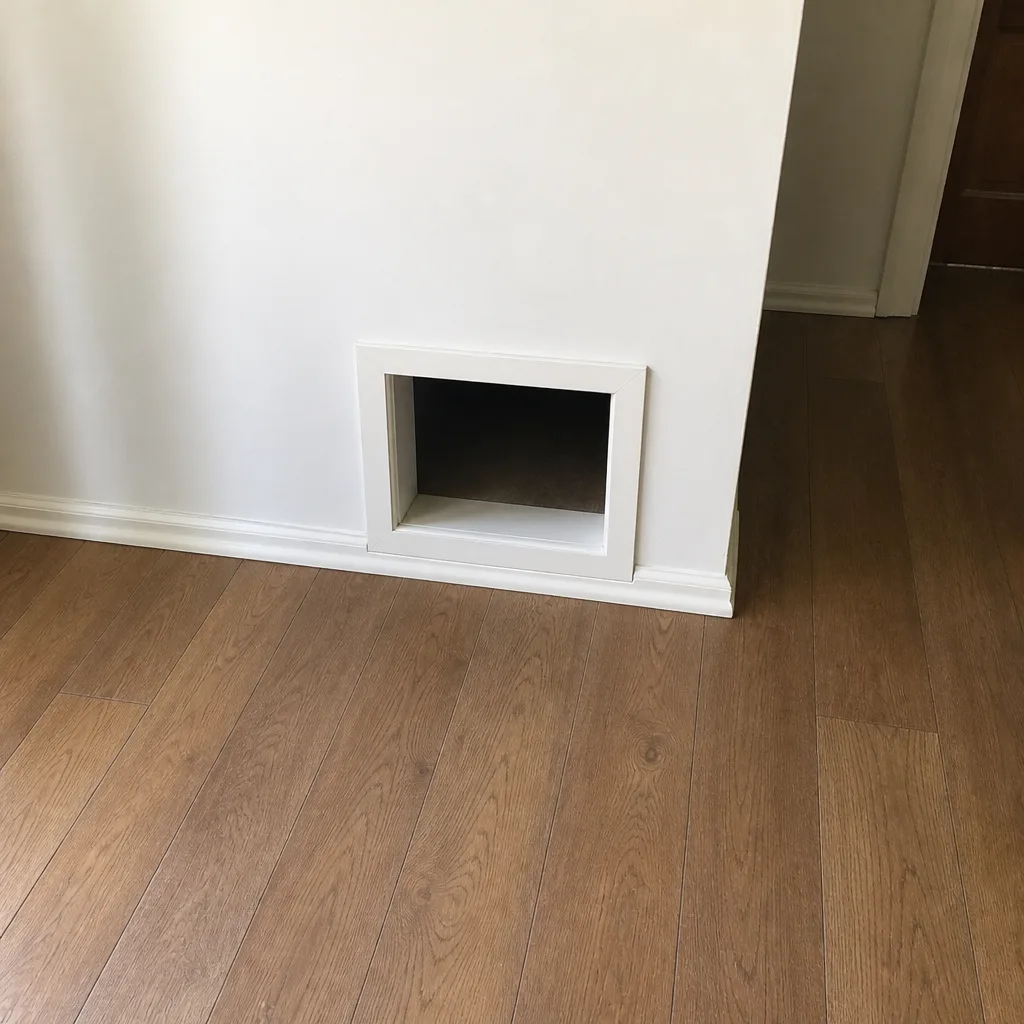 After
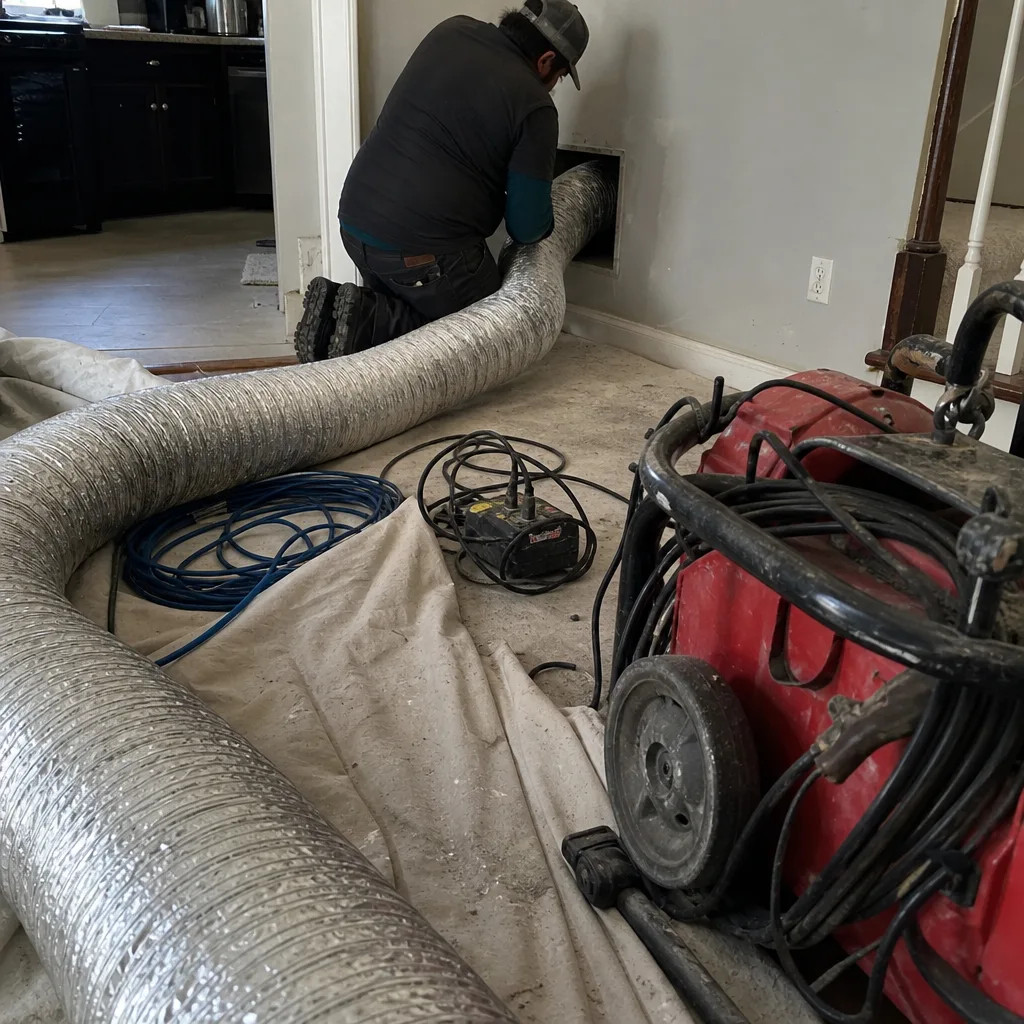 Before
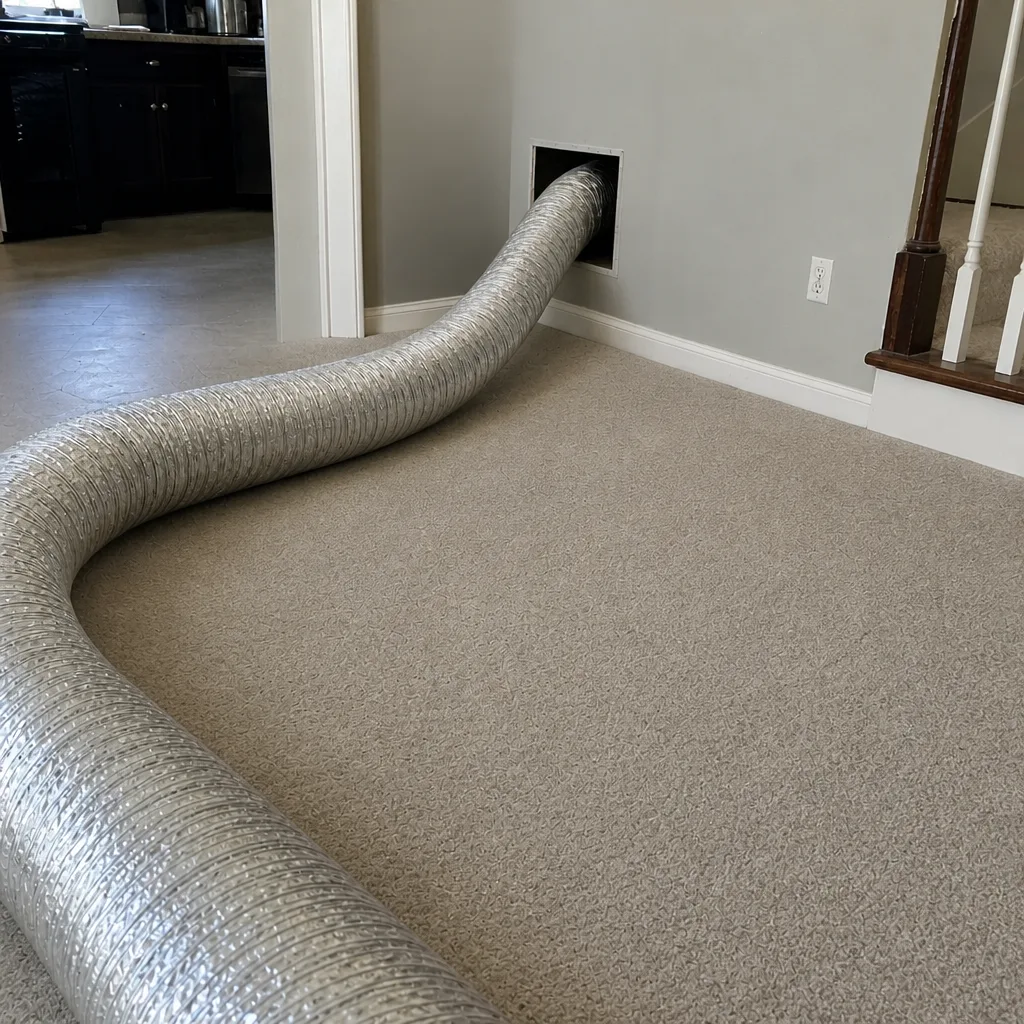 After
When to Call a Professional
Call a professional when the issue involves opening the duct system or working around contamination you can’t see. A register that’s visibly dirty, a dryer vent that barely vents, a renovation that put dust everywhere, or a duct that’s disconnected or visibly damaged all warrant a call – not a bigger shop vac. For Newark homes in prewar or converted buildings, an inspection carries extra value as a first step, because it often surfaces duct material and duct repair questions that a cleaning alone won’t answer. If you’ve had a duct cleaner walk away from damaged ductwork before, that’s the case for calling someone who handles repair under the same roof. Duct Cleaning Newark offers free estimates in Newark – call (866) 485-3609 to book an inspection.
Frequently Asked Questions
Air duct cleaning in Newark is priced per system, not per vent, and the written estimate sets the final price before any work begins. The range depends on system size, duct material, and how many branch runs the system has, with older Newark buildings typically landing on the higher end because they require more time and more careful handling. We don’t quote teaser rates over the phone. Call (866) 485-3609 for a free estimate.
Cheap quotes usually cut one of the three non-negotiable steps: negative pressure, agitation, or HEPA filtration. A company offering a very low headline price is often planning to run a small vacuum at one register, agitate briefly, and skip the verification – which is roughly half the job. The honest answer is that a whole-system price reflects real equipment and full attention to every branch run. Call (866) 485-3609 for a written estimate that reflects what the job actually takes.
Ask for before-and-after photos of your own ducts, taken at the same access points before cleaning and after. That’s the proof that debris was removed from your system, not someone else’s. A contractor who can’t or won’t provide that is telling you something. Our standard is before-and-after photos for every job. Call (866) 485-3609 to schedule.
Every three to five years is a reasonable starting point for a typical home, and more frequently in Newark if you’re near active construction, heavy truck traffic, or in a multifamily building with shared returns. The right answer is conditions-based, not calendar-based: an inspection will tell you whether the system actually needs cleaning now. Call (866) 485-3609 to book an inspection.
Only after that insulation has been identified and, if asbestos is suspected, abated by a licensed abatement contractor. A duct cleaner can’t legally disturb asbestos-containing material, and a reputable one will stop the cleaning if the material is suspect. This is one of the reasons an inspection comes before any cleaning in older Newark buildings. Call (866) 485-3609 to arrange an inspection.
Yes, both are named services alongside air duct cleaning. That means one call covers cleaning, closing up damaged ducts, and clearing a clogged dryer vent – which often costs less in total labor than booking three separate contractors. For Newark multifamily and attached homes, that coordination is worth planning for. Call (866) 485-3609 for a free estimate.
The Bottom Line
Air duct cleaning in Newark is not a one-size-fits-all job. The city’s mix of prewar multifamily, converted industrials, and postwar ranches means duct materials, access, and contamination patterns vary from building to building. Complete cleaning follows the full sequence: inspection, negative pressure, agitation with the right brush head, HEPA filtration, and post-clean verification. Equipment matters – the right machine for your duct system is the difference between cleaning every branch run and skipping half of them. Repair and dryer vent work should be handled by the same contractor, in one visit, whenever possible. And the price should be one flat rate per system, agreed before work starts, with photos of your own ducts as the proof. If you’re ready for an inspection or a free estimate in Newark, call (866) 485-3609.
Written by the team at Duct Cleaning Newark.