
Last updated November 14, 2026
 Whole-home duct cleaning
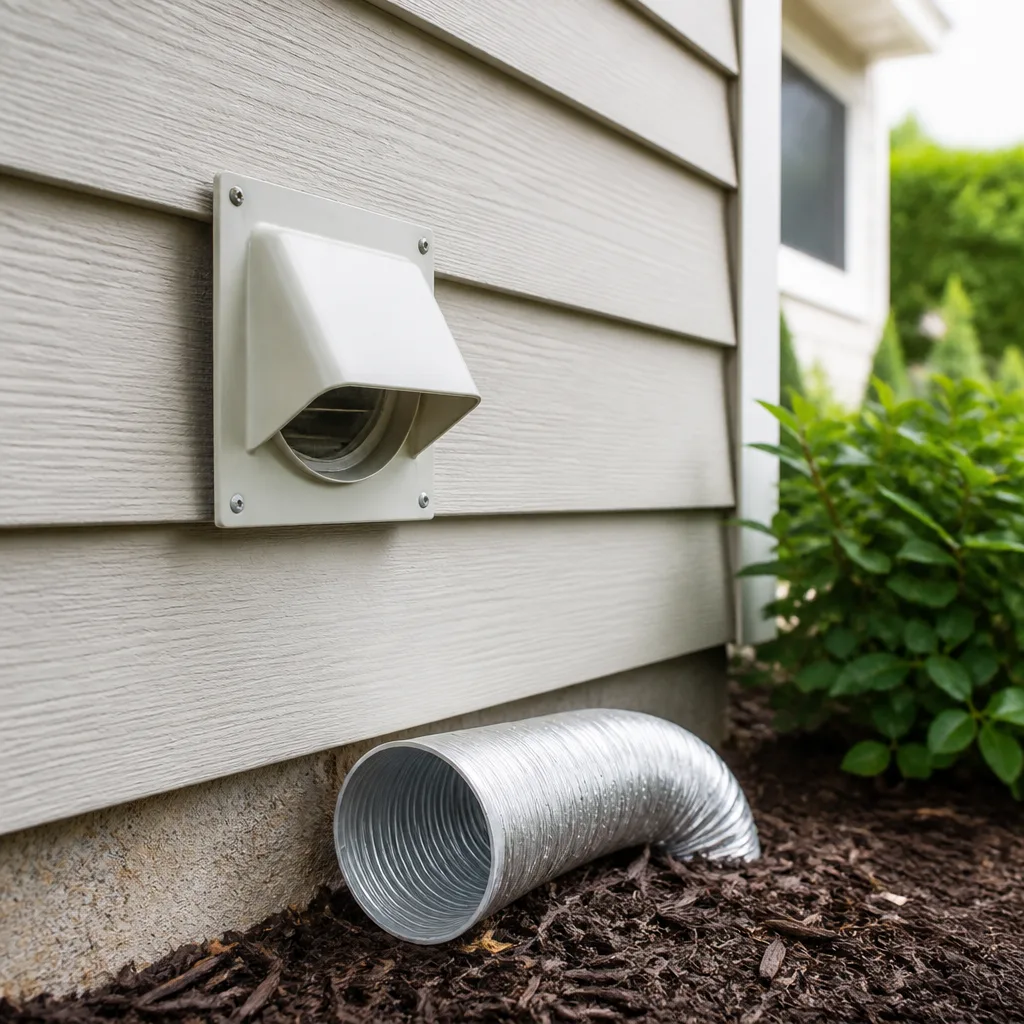 Dryer vent cleaning
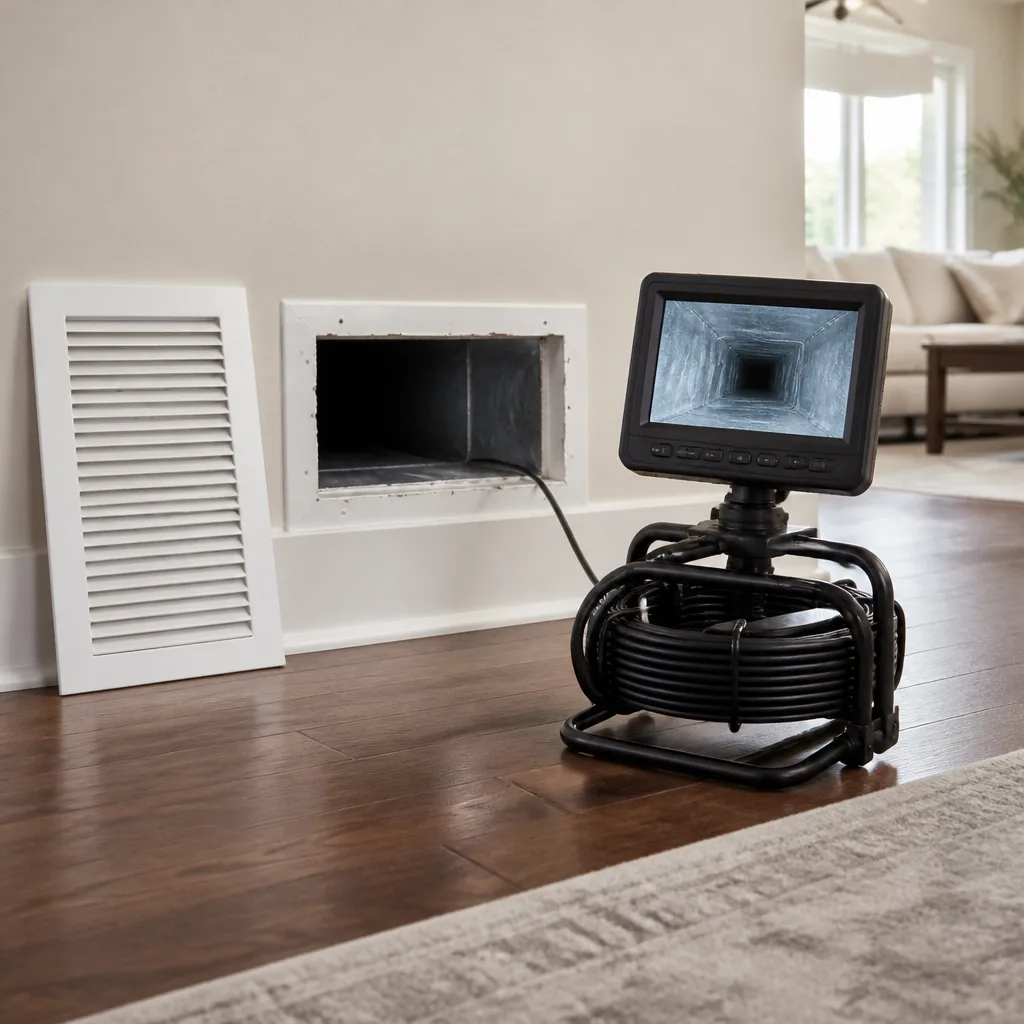 Camera inspection
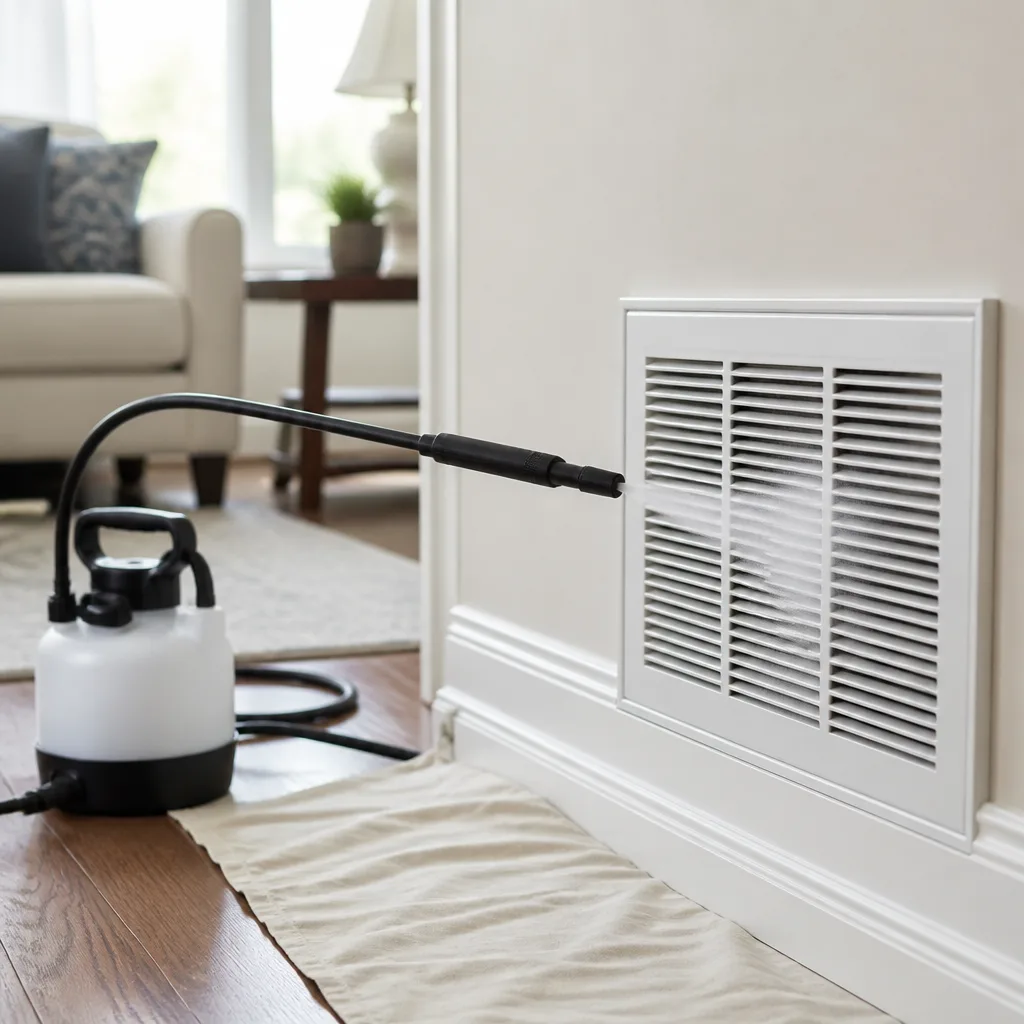 Sanitizing & deodorizing
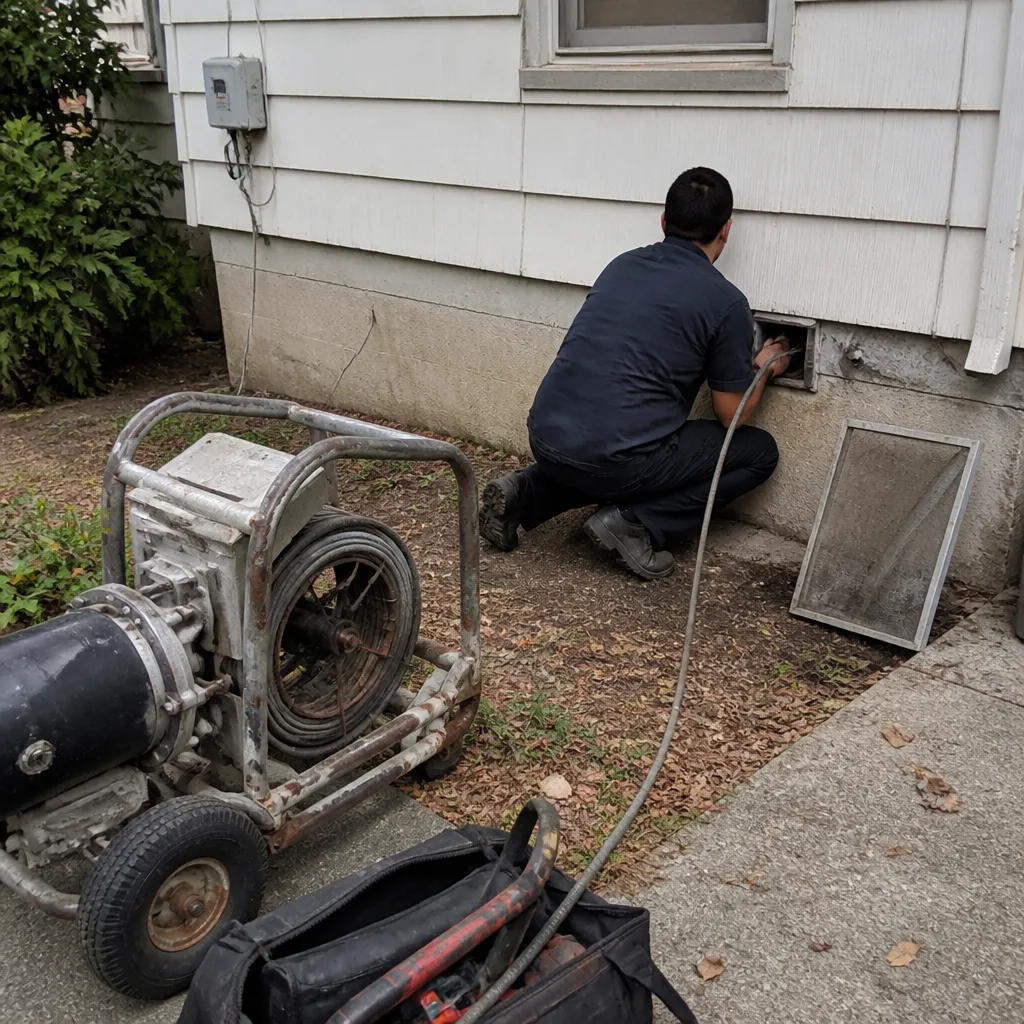
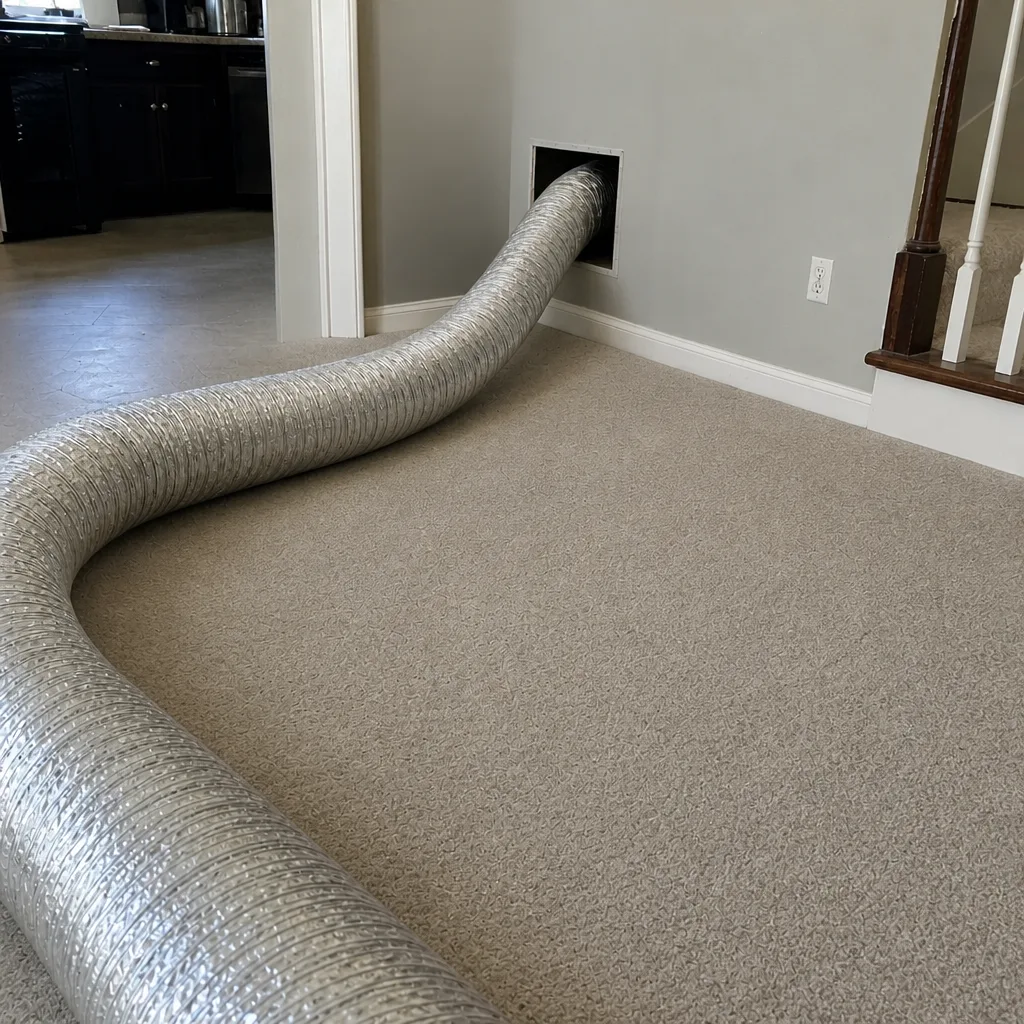
Whole-system duct and dryer vent check with before-and-after photos - you see exactly what came out of your vents
That "$99 whole-house special" is a bait ad - the real number appears once they are in your hallway, or the "clean" is a shop-vac at the register. We photograph the inside of your ducts before and after instead.
Air Duct Cleaning Troubleshooting in Newark: Common Problems and How to Fix Them
If your vents are blowing weak air after a recent cleaning, the cleaning may not have been the problem. A collapsed flex duct or a disconnected trunk line looks identical to a clogged duct from the register, and no amount of vacuuming fixes a structural failure. This guide walks Newark homeowners through reading their system’s symptoms the way a technician does: distinguishing debris from breach, musty smell from dust smell, and blower trouble from duct trouble before anyone touches the system with equipment. You’ll learn what each symptom points to, how older Newark housing stock shapes the answer, and when troubleshooting ends and a real diagnosis begins.
Quick Answer
Weak airflow, musty odors, and visible dust after a cleaning usually trace back to one of four causes: debris still lodged in a run, a breach in the duct wall, a blower or airflow problem upstream, or moisture feeding contamination inside the system. Fixing the right one means diagnosing first: feel the airflow at each register, check for disconnected joints, note whether the smell is dust or damp, and only then decide between cleaning, Duct Cleaning Newark repair work, or an HVAC technician’s visit.
Styles & brands we work with
- Whole-home duct cleaning
- Dryer vent cleaning
- Camera inspection
- Sanitizing & deodorizing
Table of Contents
- What Weak or Uneven Airflow Actually Tells You
- Why Musty Odors After Cleaning Usually Mean Moisture, Not Debris
- How to Tell a Duct Breach From a Blockage
- What a Negative-Pressure Test Reveals That a Camera Alone Cannot
- Newark’s Older Housing Stock and the Duct Problems It Creates
- The Decision Tree: Cleaning, Repair, or HVAC Tech
- Dryer Vent Symptoms That Get Mistaken for Duct Problems
- Common Mistakes to Avoid
What Weak or Uneven Airflow Actually Tells You
Weak airflow at one register is a different problem from weak airflow everywhere. That single distinction drives most of the diagnosis, and it’s the first thing a technician checks on arrival in a Newark home. If one room feels starved while the rest of the house moves air normally, the trouble sits in that run or its connection to the trunk. If every register feels weak, the problem is upstream at the blower, the filter, or the main trunk itself. Cleaning rarely fixes the second case.
Here’s how to read airflow at the register in a way that produces real information:
- Feel the airflow at each register individually. Compare rooms. Note which are weak and whether the pattern follows the longest duct runs.
- Check the filter. A loaded filter starves the whole system and mimics duct trouble. Replace it and re-test before drawing conclusions.
- Look down the register with a flashlight. You’re checking for dust matted on the walls, debris resting in the bottom of the duct, or gaps where the duct meets the boot.
- Check that the damper is open. Older Newark homes often have manual dampers in the branches, sometimes hidden behind insulation.
- Listen at the register. A hiss or whistle with low airflow suggests a restriction or an oversized gap somewhere.
If flow is weak at one register while the system filter is clean and every damper is open, that run is the suspect. It’s either blocked, breached, or disconnected. That’s the point where air duct cleaning can help with the first case and cannot help with the other two.
Disconnected and Collapsed Runs Are Common in Tight Attics
Flex duct that sags, crushes, or pulls loose at a collar stops delivering air, and vacuuming won’t reconnect it. Newark attics get hot and tight in summer, and flex runs installers pulled through tight chases decades ago tend to sag in the heat. A collapsed run looks exactly like a clogged run from the register. The only way to tell the difference is to trace the run to its source.
Why Musty Odors After Cleaning Usually Mean Moisture, Not Debris
A musty smell after a cleaning almost always points to moisture inside the system, not debris the crew missed. Dust smells dusty. Damp and musty smells are a different signal, and it usually originates upstream of the ducts themselves: a wet coil, a condensate pan that isn’t draining, humid summer air condensing on cold metal, or water intrusion around a boot or return. Cleaning removes the debris but not the water source, so the smell returns.
Newark’s humid summers push a lot of homes into this pattern. When a cold duct surface meets warm, moist air, condensation forms, and dust that settles into that film becomes a food source for growth. The same happens around a chronically damp basement or a return duct that passes through an unconditioned crawlspace.
What to check before calling for another cleaning:
- Whether the smell is strongest at the returns or the supply registers (returns usually point upstream).
- Whether the smell intensifies after the system has been running (condensation pattern) or when it’s off (stagnant moisture).
- Whether the condensate pan under the air handler holds standing water.
- Whether ducts passing through unconditioned space are insulated and sealed.
- Whether the smell is coming from one area of the house, which points to a local water issue rather than the whole system.
When the source is damp insulation or a wet coil, the correct next step is fixing the moisture, not cleaning the ducts again. High-level remediation work, where contamination has taken hold inside the system, is a separate discipline from routine cleaning, and only a properly equipped job using Abatement Technologies gear addresses contaminant problems at that level.
How to Tell a Duct Breach From a Blockage
A blockage stops air at a point. A breach leaks air away before it reaches the register. Both feel weak at the vent, and both can produce dust at the register, so you have to test them differently. A blockage usually shows trapped debris when you look inside the run. A breach usually shows clean duct walls and dust entering from the gap itself, or a joint that’s come apart inside a wall chase or attic.
Here’s what separates them in a typical Newark home:
- Visible debris in the run. That points to a blockage. Cleaning can correct it.
- Clean duct, weak flow. That points to a breach or a disconnect. Cleaning cannot correct it.
- Dust streaks or staining around a register or ceiling seam. That suggests air is escaping nearby instead of reaching the register.
- Pressure imbalance in one zone. That points to a leak that the system is compensating for somewhere else.
- Noise at the register. Whistling means a restriction; a soft rushing sound with low flow suggests air is leaving the system before it gets there.
Galvanized steel duct, common in Newark homes built before 1970, can develop seam separation over years of expansion and contraction. Flex duct can crush, tear, or pull loose at the collar. Neither fixes itself, and neither is a matter of debris. When the diagnosis points to a breach, duct repair is the correct intervention, and it’s the job most duct cleaners decline to do. We don’t leave damaged ductwork for someone else.
What a Negative-Pressure Test Reveals That a Camera Alone Cannot
A camera inspection shows you what the inside of the duct looks like. A negative-pressure test shows you whether the system holds pressure at all. They answer different questions. A camera can pass a run that looks clean while the system is quietly leaking air through a joint the lens never faces. A pressure test measures the system’s ability to pull and move air as a single sealed unit. Without both, you’re diagnosing half the problem.
Here’s what each tool actually contributes:
- Camera inspection: Confirms visible debris, contamination, moisture staining, and damage along a specific run.
- Negative-pressure test: Confirms whether the system is airtight. Leaks show up as a failure to hold negative pressure, which tells you there’s a breach even when the camera can’t see it.
- Airflow measurement at the register: Confirms the delivered result. Weak flow plus good pressure suggests a blockage or the wrong duct size. Weak flow plus poor pressure suggests a leak.
Most homeowners never see a pressure test performed. When a diagnostic relies on equipment, the quality of the equipment matters, and that’s where having the right gear becomes practical rather than promotional. We run Rotobrush and Nikro systems because the two platforms handle different duct types and contamination levels, and we use Abatement Technologies equipment because remediation-grade work needs remediation-grade machines. Our technicians have up to 8 years of experience and they troubleshoot the system, not just the symptom.
Newark’s Older Housing Stock and the Duct Problems It Creates
Pre-1970 construction changes the diagnosis in a way that matters specifically in Newark. The city’s older housing stock includes a lot of galvanized steel ductwork, and some of it sits in homes that still have original materials in the walls and ceiling cavities. Galvanized steel is durable, but its seams separate over time, and the joints between branches and the trunk can open. When they do, the symptom is weak airflow and dust at the register, and no cleaning corrects either one. Repair does.
Another pattern: many of these homes were built before central air, and duct systems were added later. That means flex duct often runs through tight, hot attics and narrow chases where it can sag, kink, or pull off at the collar. When you feel weak airflow in one room of a pre-1940 Newark home, the culprit is more often a crushed run than a dirty one.
Some of the older systems also carry wrap materials around the ductwork that predate modern insulation. When that wrap is disturbed, it needs to be handled correctly. That’s a reason to have a trained professional assess before anyone opens a chase, cuts insulation, or runs a brush past a joint. If you’re not sure what you’re looking at inside the cavity, stop and get it assessed. Asbestos-containing materials are a specialist’s problem, not a homeowner’s.
Humidity matters here too. Newark summers put a lot of moisture into the air, and older homes often have returns pulling from damp basements. The combination creates conditions where duct interior surfaces stay damp long enough to feed odor and growth. Cleaning helps only after the moisture is brought under control.
The Decision Tree: Cleaning, Repair, or HVAC Tech
Once you’ve read the symptoms, the next step is a decision. Most homeowners end up choosing between three interventions: cleaning, repair, or a visit from an HVAC technician. Here’s the tree we walk through with customers.
- Is the airflow weak at every register? Check the filter first. If it’s clean, and the blower doesn’t sound right, call an HVAC tech. A failing blower, a locked motor, or a control-board problem is not a duct issue.
- Is the airflow weak at one register while the rest are fine? Then that run is the suspect. Check the damper. If it’s open, inspect the run. If you see debris, cleaning. If you see damage, disconnect, or a crushed section, repair.
- Does the smell register as dust? Cleaning. That’s debris and settled dust moving through the system.
- Does the smell register as musty or damp? Look for a moisture source. Fix the source first. Then clean if contamination has taken hold inside the duct.
- Is the dust visible at registers after a cleaning? Check for a gap at the boot or a disconnected joint. That’s a breach, and repair is the correct next step.
- Does the problem affect the whole system and not just the ducts? Blower, coil, refrigerant, controls. That’s an HVAC tech, not a duct specialist.
- Is the dryer taking longer and longer to dry a load? That’s a dryer vent problem, not a duct problem. It has its own safety weight because lint buildup is a fire risk.
If steps one through six still leave you unsure, that’s a diagnostic. We confirm the cause before we recommend the service. A written estimate comes after the diagnosis, and the price is set per job by that estimate, not by the size of the surprise.
Dryer Vent Symptoms That Get Mistaken for Duct Problems
The dryer taking two cycles to dry a load, the laundry room getting hot and humid, or a lint smell in the room all point at the dryer vent, and none of them are connected to the air duct system. They get misdiagnosed because both involve a duct running through the house, but the correct intervention is different. A restricted dryer vent is a fire risk, not a comfort issue, and it needs to be cleared, not cleaned as part of a routine duct job.
What to check before assuming it’s the ducts:
- The dryer finishing a normal load and still leaving clothes damp.
- The outside vent flap not opening fully during a cycle, or staying closed.
- Heat and humidity building up around the dryer.
- A burning or lint smell near the dryer.
- Visible lint accumulation at the back of the dryer or behind the vent hood.
dryer vent cleaning is one of our three core services, and we handle it under the same call as the duct work. That matters because the two systems often share the same wall chase, and diagnosing them together avoids two contractors and one unresolved question. If you’re not sure which system is the problem, describe what you’re seeing and we’ll help you sort it over the phone before anyone schedules a visit.
Common Mistakes to Avoid
- Assuming a cleaning will fix weak airflow. Cleaning removes debris; it doesn’t close a breach. If the diagnosis is structural, another cleaning is money spent without fixing the cause.
- Treating a musty smell as dirt. Musty smell usually means moisture. Cleaning without fixing the moisture source means the smell comes back. Find the source first.
- Opening a wall chase or cutting insulation before a professional assesses it. In pre-1970 Newark homes, older wrap materials need to be identified before they’re disturbed. If you don’t know what’s inside the cavity, leave it to a trained technician.
- Buying a duct cleaning before a diagnosis. A quote based on square footage alone tells you nothing about your system. Ask how the diagnosis was done. If the answer is a walkthrough with no equipment, keep asking.
- Ignoring a dryer vent that’s slow to dry. Lint buildup restricts airflow and can become a fire hazard. Treating it as a minor inconvenience is the wrong call.
- Calling an HVAC tech for a duct problem. A blower or coil problem belongs to an HVAC technician. A duct problem belongs to a duct specialist. Misidentifying the first question is how homeowners end up paying for the wrong service.
- Accepting a price that only exists in the ad. Ask for a written estimate that names the system, the scope, and the price before work begins. Per-vent pricing is the pattern that most often turns into a larger invoice once the technician is on site.
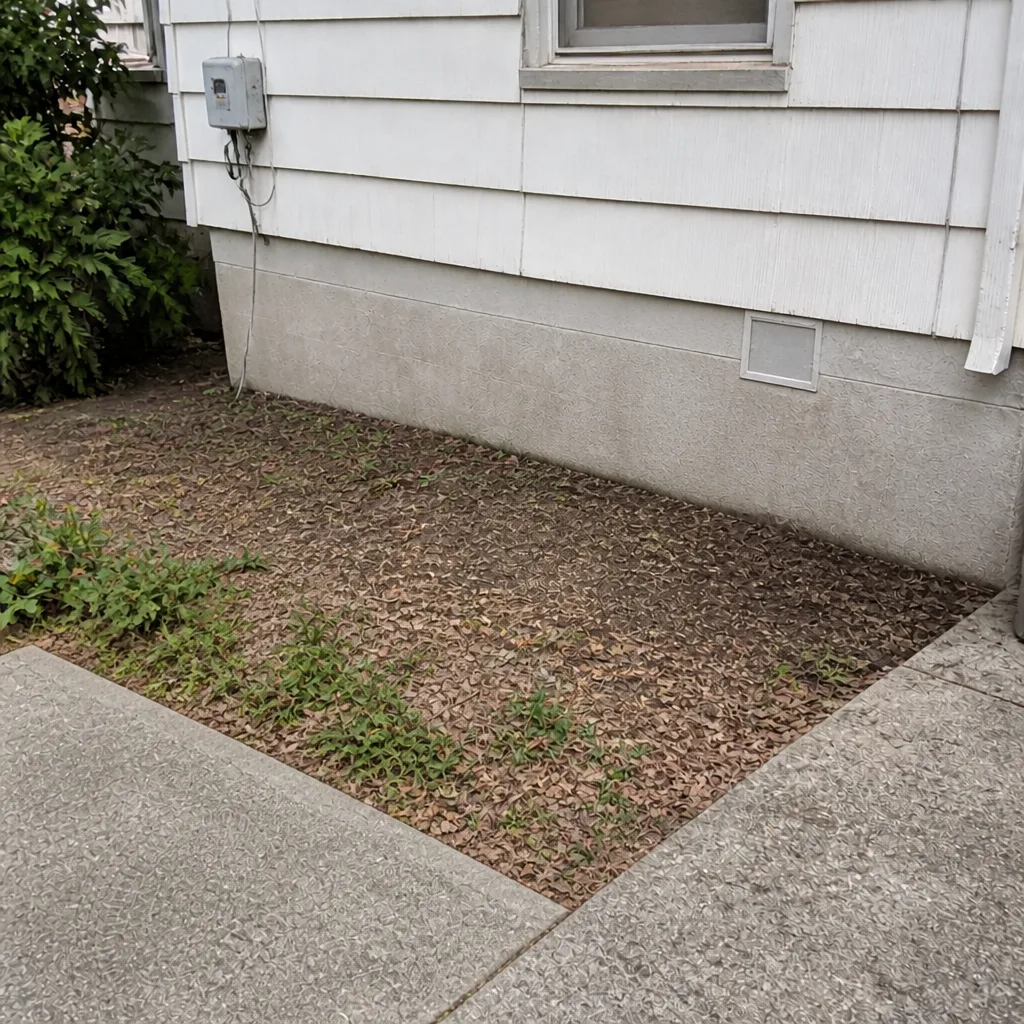
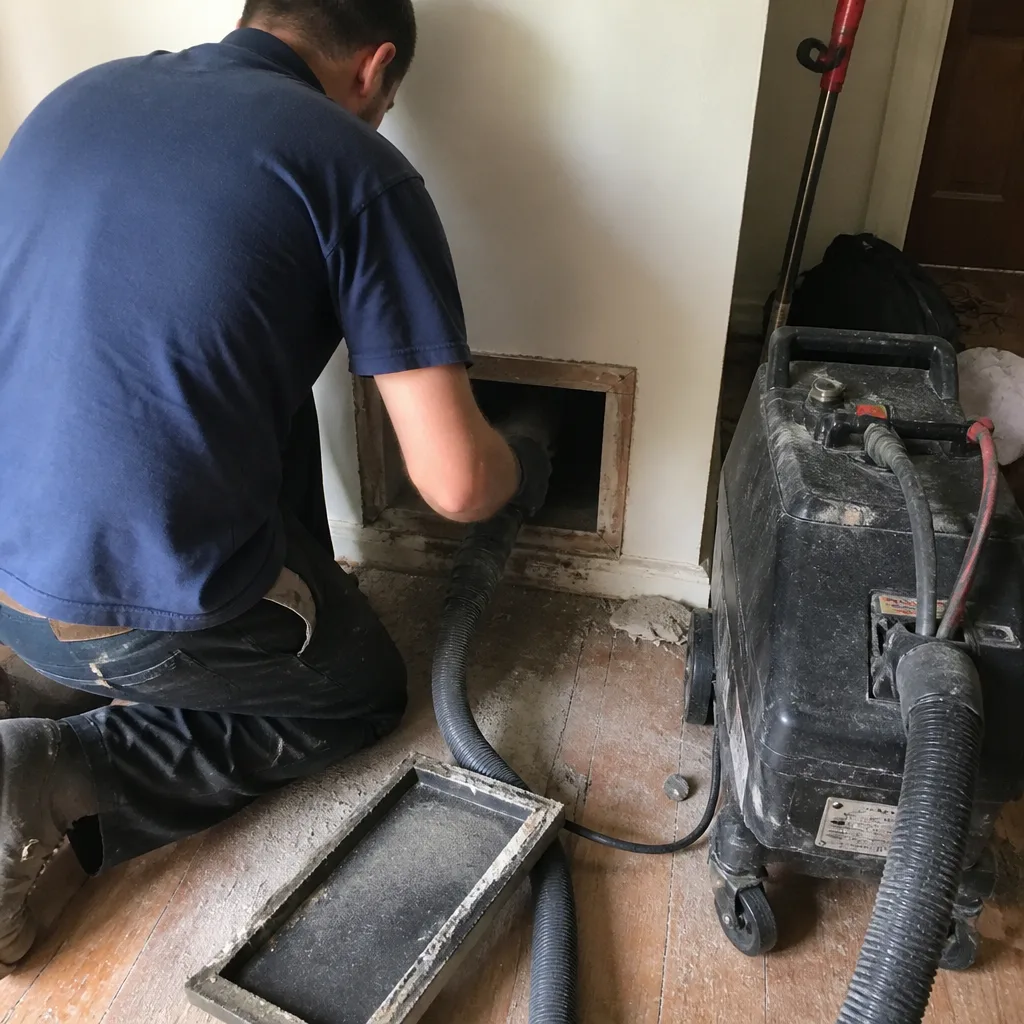
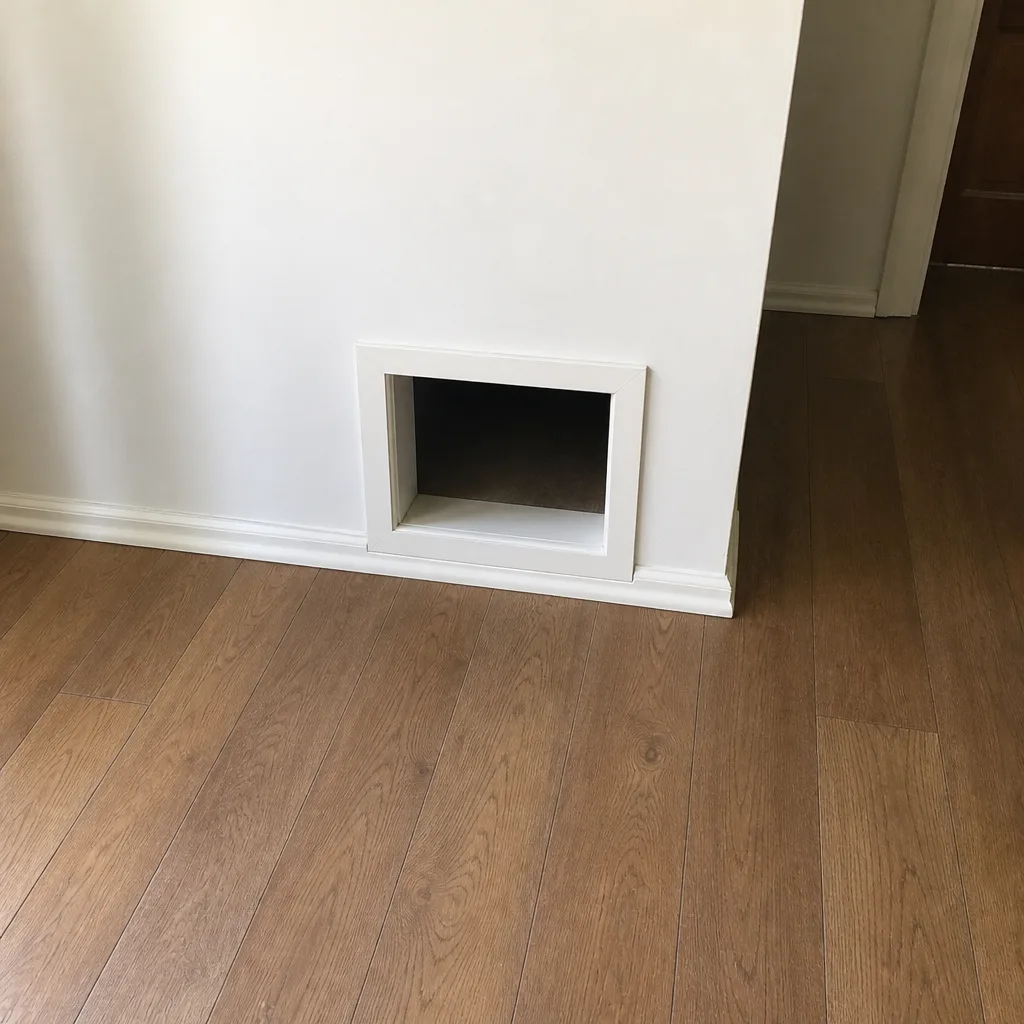
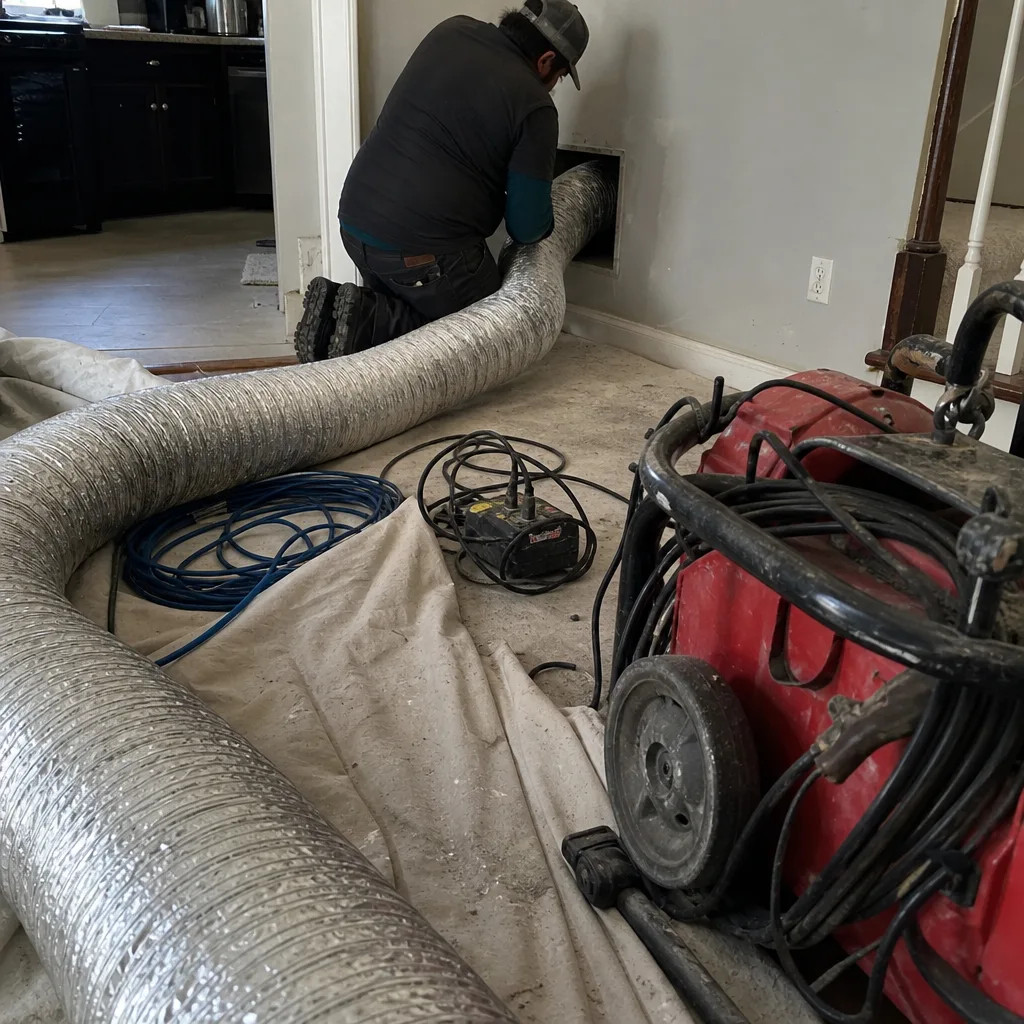
See the difference
 Before
 After
 Before
 After
 Before
 After
When to Call a Professional
Call a professional when the symptom you’re reading has a structural explanation you can’t verify yourself. A collapsed run inside a wall chase, a disconnected trunk line in a tight attic, a breached joint in galvanized duct, a musty smell you can’t locate, or a dryer vent that no longer clears. In pre-1970 Newark homes, that list starts earlier, because the materials around the ductwork can’t be assessed safely without training. We also take the call when the diagnosis is obvious but the work needs equipment: pressure testing, camera inspection, and remediation-grade machines. Our technicians have up to 8 years of experience and they diagnose before they recommend. A written estimate follows the diagnosis, and the price stays the price. Duct Cleaning Newark offers free estimates in Newark. Call (866) 485-3609. We answer 24/7. Fast dispatch from 7am to 7pm, Sunday through Friday.
Frequently Asked Questions
Weak airflow after a cleaning usually means the cause was never debris. A collapsed flex duct, a disconnected trunk line, or a crushed run in a tight chase feels identical to a clogged duct at the register, and cleaning doesn’t correct any of them. The correct next step is a diagnostic to confirm whether the problem is structural before any more cleaning is scheduled. Call (866) 485-3609 for an exact quote; estimates are free.
A musty smell after cleaning usually points to moisture inside the system, not missed debris. The likely sources are a wet coil, a condensate pan that isn’t draining, or condensation on cold duct surfaces during humid weather. Cleaning removes the dust but not the water, so the smell returns until the source is fixed. Call (866) 485-3609 and we’ll help you identify the next step.
Look inside the run at the register. Visible debris means a blockage. Clean duct walls with weak airflow means a breach or a disconnected joint. A negative-pressure test then confirms whether the system is actually leaking, which a camera alone can’t tell you. Call (866) 485-3609 to book a diagnosis; estimates are free.
Yes, and for structural reasons rather than hygiene ones. Pre-1970 homes in Newark often have galvanized steel ductwork whose seams separate over time, and many have flex runs added decades later through tight attics where they can crush or pull loose. Both produce the same weak-airflow symptom as a clogged duct, and both need repair rather than cleaning. Call (866) 485-3609 to talk through what you’re seeing.
No. The dryer vent serves a different system, and a restricted vent is a fire risk, not a comfort issue. Lint buildup restricts airflow and needs to be cleared with the right method, not treated as part of a routine duct cleaning. We handle both under one call, which keeps the diagnosis straight. Call (866) 485-3609 for an exact quote.
Pricing here is a flat price per system, agreed before work starts, based on the written estimate, and never a per-vent charge. The estimate is free, and the number you get is the number you pay. If someone quotes you a cheap coupon figure and a larger bill appears once the technician is on site, that’s the pattern to avoid. Call (866) 485-3609 for a free estimated quote and ask for the written scope.
Five Things to Check Before You Call
If you’d rather do some homework first, these five checks take a few minutes and give you better information to work with when you call. None of them involve opening a chase, cutting insulation, or getting near electrical components.
- Write down which registers are weak. Note the rooms. Patterns matter more than a single vent.
- Note the smell. Dusty, musty, or burning. Each one points to a different cause.
- Replace the filter. Then re-test the airflow. A loaded filter mimics duct trouble on the whole system.
- Check the damper in the weak branches. Open them and re-test before assuming a blockage.
- Look at the dryer. If clothes come out damp and the room gets hot, that’s a dryer vent issue, not a duct issue.
Bring that list to the call. It shortens the diagnostic and it makes the written estimate more accurate from the start. We work in Newark and we know the housing stock this city has, so what you describe will usually match patterns we’ve seen before.
The Bottom Line
Most duct problems in Newark aren’t debris problems. They’re structural, moisture-related, or airflow-related, and each one needs a different intervention. Cleaning fixes debris. Repair fixes breaches, disconnects, and crushed runs. An HVAC tech handles the blower and the coil. The diagnosis comes before the service, always. When you read the symptoms carefully, you’ll usually know which conversation you’re having before you pick up the phone, and that saves you a wasted cleaning and a wasted bill.
Call (866) 485-3609. We answer 24/7. Fast dispatch from 7am to 7pm, Sunday through Friday. Estimates are free, the price is set per job by the written estimate, and the diagnosis comes before the recommendation.
Written by the team at Duct Cleaning Newark.