
Last updated November 14, 2026
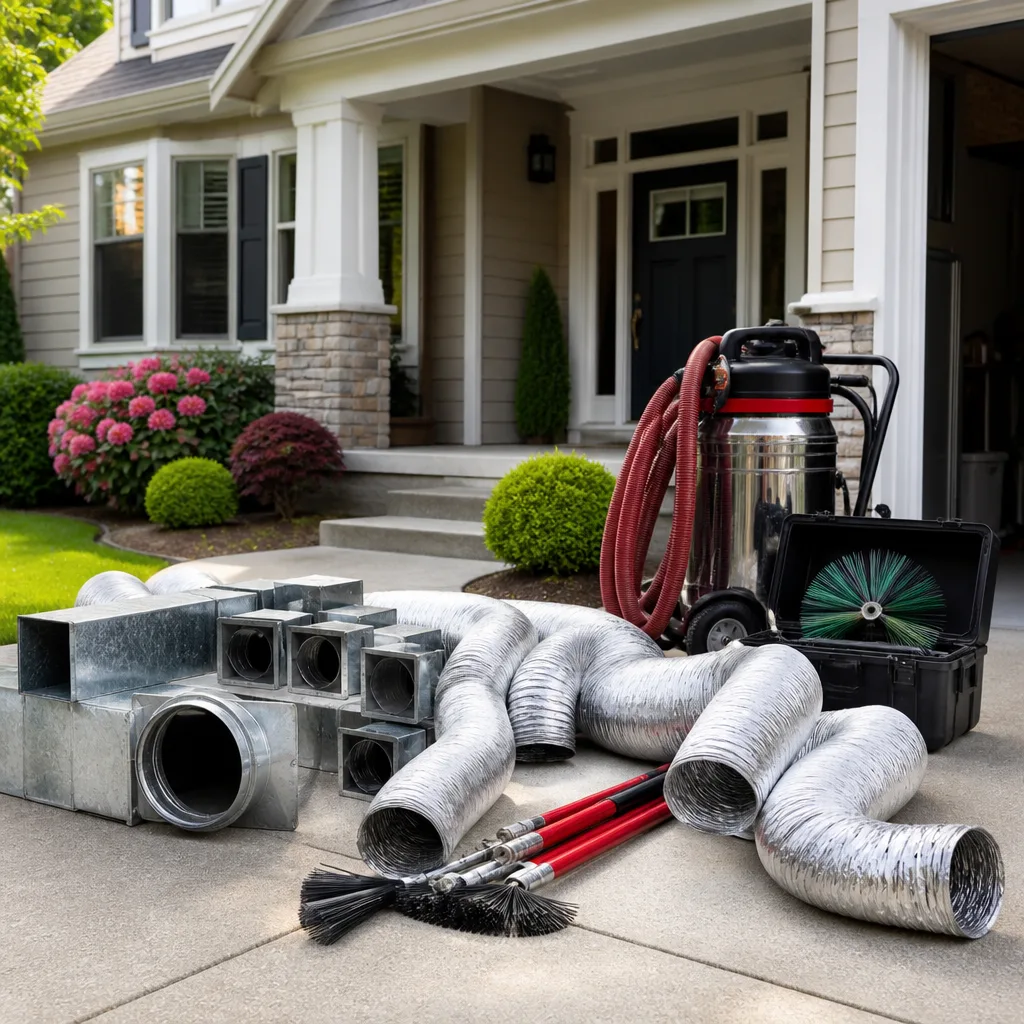 Whole-home duct cleaning
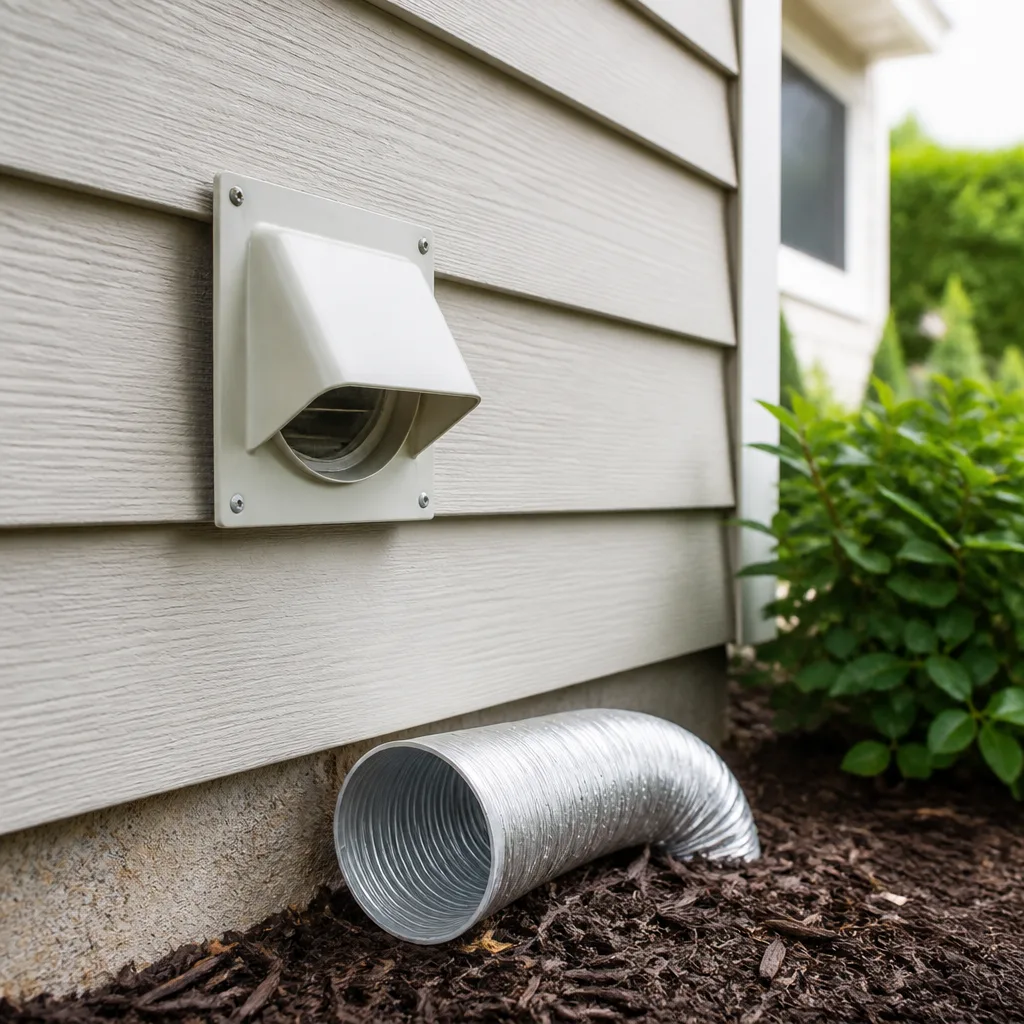 Dryer vent cleaning
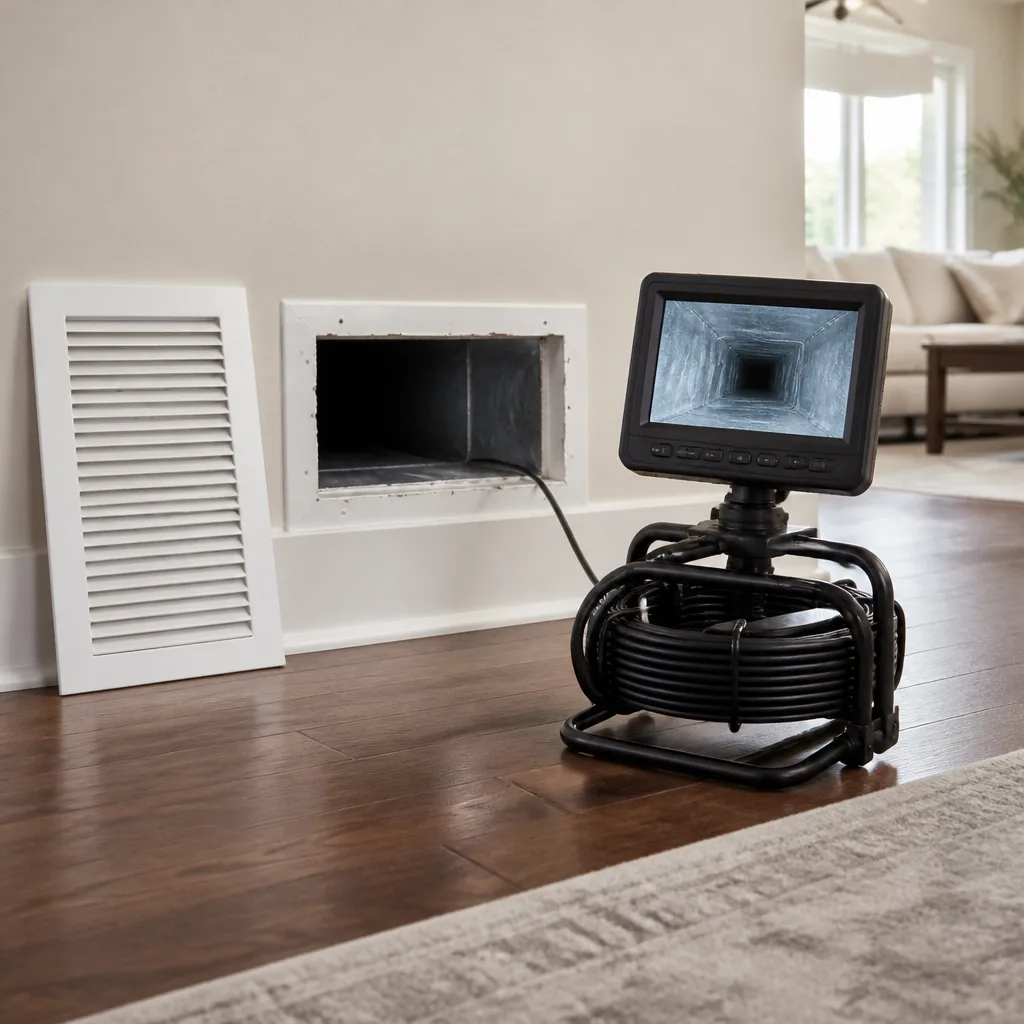 Camera inspection
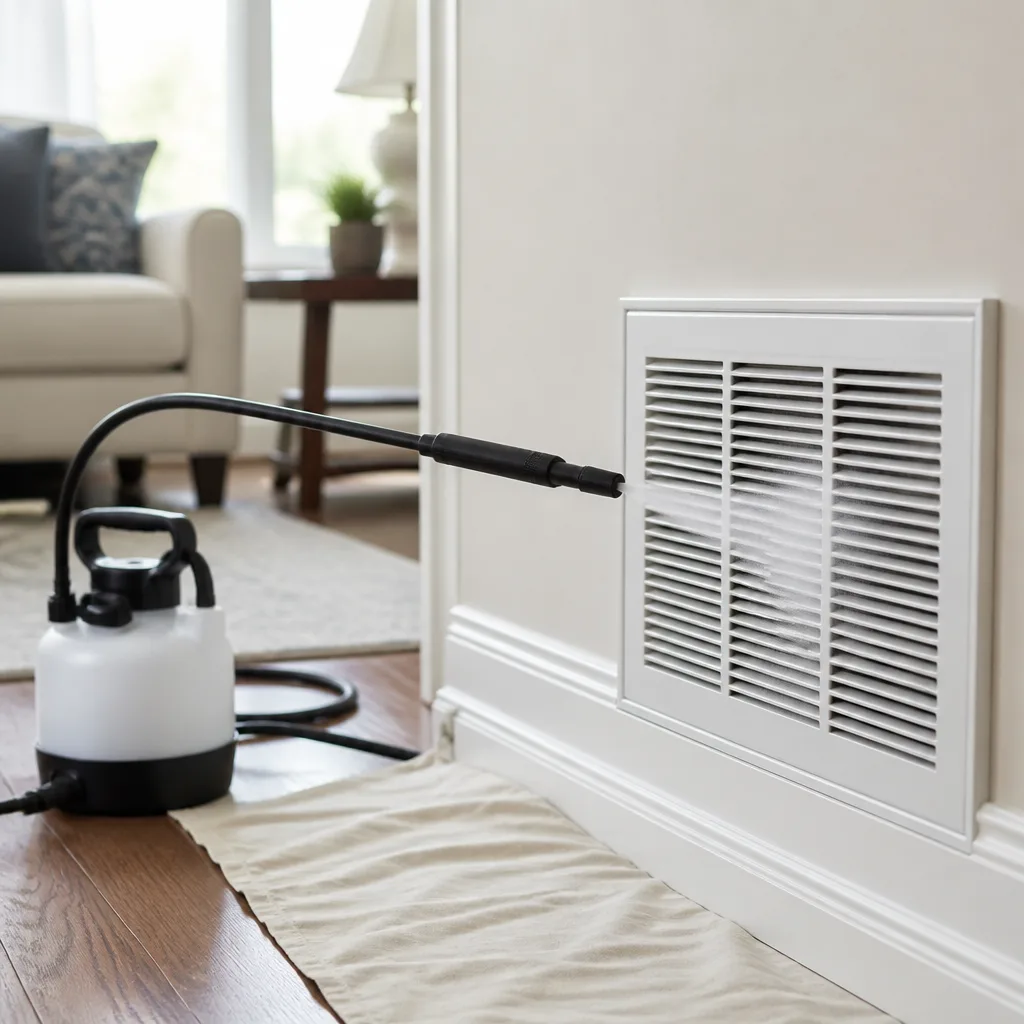 Sanitizing & deodorizing
Whole-system duct and dryer vent check with before-and-after photos - you see exactly what came out of your vents
That "$99 whole-house special" is a bait ad - the real number appears once they are in your hallway, or the "clean" is a shop-vac at the register. We photograph the inside of your ducts before and after instead.
DIY vs Professional Air Duct Cleaning: The Newark Homeowner’s Decision Guide
A consumer-grade dryer vent brush and a six-foot flexible drill attachment will clean the last 18 inches of your duct system beautifully. Everything behind that point stays exactly as it was. That’s not a cleaning. That’s what most DIY attempts actually accomplish, and it’s the reason this debate keeps going in circles. We’re not going to tell you to call a professional in every case, because that wouldn’t be honest. What we can do is show you the actual equipment gap, the specific scenarios where DIY goes from useless to counterproductive, and the Newark buildings where touching your own ductwork is a genuinely bad idea. By the end you’ll know which side of the line your home sits on.
Quick Answer
Professional air duct cleaning is the right call when your ducts contain source contamination (mold, rodent debris, renovation dust, or failing duct material) or when main trunk lines need cleaning beyond the reach of consumer tools. DIY is a reasonable option for register wipe-downs, filter changes, and short straight dryer vent runs. The dividing line is negative pressure: professional systems move 2,000 to 4,000+ CFM and capture what they dislodge, while consumer tools stir debris into your living space.
Styles & brands we work with
- Whole-home duct cleaning
- Dryer vent cleaning
- Camera inspection
- Sanitizing & deodorizing
Table of Contents
- What Consumer Duct Cleaning Tools Can Actually Do
- The Equipment Gap: Why Negative Pressure Changes Everything
- When DIY Is Counterproductive: Mold, Rodent Debris, and Renovation Dust
- Newark’s Older Housing Stock: Asbestos and Fiberglass Board Risks
- The Honest Cost Comparison
- A Realistic DIY Checklist for the Jobs That Are Safe
- What a Professional Cleaning Actually Involves
- Air Quality Systems and Duct Repair: Where DIY Stops Cold
What Consumer Duct Cleaning Tools Can Actually Do
Let’s give consumer equipment the credit it deserves. A register wipe-down with a microfiber cloth and a mild cleaner removes the dust ring that collects around supply vents, and that’s a real improvement to how a room feels. A flexible dryer vent brush on a short, straight run does clear lint. Filter replacement at the right interval keeps the system’s return side cleaner than most people realize.
Those are the legitimate accomplishments. Here’s where each tool hits its ceiling:
- Register wipe-downs. Effective on the visible face of the grille. Does nothing to the boot (the sheet-metal elbow behind the register) or the branch run feeding it.
- Dryer vent brushes. Work well on a straight run under about six feet. On a run with two 90-degree elbows, the brush reaches the first turn and stops. Lint packs into the elbows.
- Shop vacuums with a hose attachment. Can pull loose dust out of a register boot. Cannot generate the airflow needed to move settled debris along a 20-foot trunk line.
- Pneumatic “whip” kits sold for homeowner use. Small compressors produce a fraction of the air volume professional equipment does. They loosen dust without capturing it, which is worse than leaving it settled.
- Filter upgrades. Genuinely valuable, and the cheapest thing on this list. Also not duct cleaning.
Notice what’s missing from that list: main trunk lines. On a typical Newark two- or three-story house, the trunk line runs through the basement or a soffit and feeds every branch. It’s also where the majority of settled debris lives, because it’s the slowest-moving air in the system. The tools above don’t reach it, and the ones that claim to can’t capture what they disturb. That’s the honest performance ceiling, and it applies in every neighborhood from the Ironbound to Forest Hill.
The Equipment Gap: Why Negative Pressure Changes Everything
Professional duct cleaning isn’t mostly about the brush. It’s about what happens to the debris while it’s being dislodged. The core tool is a vacuum collection unit connected to the trunk line, running at roughly 2,000 to 4,000+ CFM depending on the machine. That airflow keeps the whole duct system under negative pressure for the duration of the work. Anything a technician loosens gets pulled toward the collection unit instead of drifting into your bedrooms.
Compare that to the consumer approach. A shop vac generates suction at the nozzle, not pressure across the system. A home “whip” kit generates agitation without capture. Both leave the loose material in the ducts; some of it will settle again, and a portion will find its way into the rooms through supply registers the first time the blower runs. Cleaning without containment isn’t cleaning. It’s redistribution.
Our technicians carry two independently recognized commercial platforms, Rotobrush and Nikro, because duct type and contamination level call for different methods. Flexible duct gets treated differently from rigid sheet metal. A lightly soiled branch run gets treated differently from a trunk line packed with construction dust. Matching the tool to the system is the difference between a clean result and a rough one. We also run Abatement Technologies equipment, the same brand used in professional remediation work, which matters the moment a job involves mold or fine contaminant dust rather than ordinary household debris. The right machine for your duct system isn’t a marketing phrase in this trade; it’s the whole reason the results differ.
When DIY Is Counterproductive: Mold, Rodent Debris, and Renovation Dust
There’s a category of duct problem where DIY isn’t just ineffective. It makes the situation worse and can put your household at risk.
Mold growth inside ducts
Mold in ductwork needs moisture, and moisture needs a source. Disturbing mold colonies with a brush or a shop vac aerosolizes spores and spreads them through the system. Professional handling means containment first: sealing the area, running negative pressure, and using equipment designed for contaminant work. Abatement Technologies equipment exists for exactly this reason. If you can see dark spotting near a register or smell a persistent musty odor when the system runs, stop before you touch it.
Rodent debris
Mice and squirrels get into duct systems through gaps at the foundation, roofline, or disconnected flex runs. The debris they leave behind carries pathogens that should never become airborne in a living space. Mechanical agitation without containment is the worst possible response. The gap that let the animal in also needs to be found and closed, which usually means duct repair rather than cleaning alone.
Post-renovation dust
Drywall dust is fine, abrasive, and settles everywhere. After a kitchen gut or a full-floor renovation in a Newark brownstone, the duct system is the last place that dust lives and the hardest to remove. It coats the inside of the trunk and every branch. Consumer tools can’t move that volume of material, and agitating it without capture spreads it through rooms you just finished cleaning. We’re called to Newark homes after renovations more often than you’d expect, and the volume of drywall dust in the trunk line usually surprises the homeowner.
In all three scenarios, the question isn’t whether DIY can reach it. It’s that DIY without containment protocols turns a contained problem into an airborne one.
Newark’s Older Housing Stock: Asbestos and Fiberglass Board Risks
Newark has a large share of pre-war and mid-century housing, and duct systems in those homes reflect it. Two materials show up often enough that we treat them as a standing rule:
- Asbestos-wrapped ductwork. In older homes, duct runs sometimes carry a white, cloth-like or cementitious wrap at joints and elbows. If that wrap is intact, leave it alone. If it’s frayed or crumbling, do not run a brush through it, do not vacuum it, and do not disturb it in any way. Disturbing asbestos-containing material is a regulated activity, and a homeowner doing it quietly creates both a health exposure and a liability problem that follows the property.
- Deteriorating fiberglass duct board. Interior duct board from the 1970s and 1980s breaks down over time. The inner lining sheds fibers into the airstream and traps dust in the frayed edges. Brushing a failing duct board run tears it further. That’s a duct repair question, not a cleaning question.
Before any DIY attempt in an older Newark home, check the duct runs in the basement and any accessible soffits. If you see wrapping you can’t identify, stop and get an assessment. This is the single place where we’d push hardest toward professional involvement, because the risk is real and irreversible. If the material is sound and identifiable, cleaning or repair can proceed normally.
Our technicians have up to 8 years of experience assessing duct conditions across Newark’s housing stock, and identifying material before touching it is always the first step on a job. When we find asbestos-containing material during a routine air duct cleaning, we stop and tell the homeowner what we found so it can be handled properly. That’s the standard a homeowner should expect from anyone working in an older home.
The Honest Cost Comparison
Here’s the part most guides skip: what DIY actually costs once you add it up honestly. Not just the tool price, but the time, the incomplete result, and the possibility of paying for a professional cleaning anyway after you’ve made the mess larger.
| Approach | Typical cost (estimated) | What you actually get |
|---|---|---|
| Filter replacement + register wipe-down | Under $50 in materials | Cleaner grilles, cleaner return air. No trunk-line cleaning. |
| Consumer dryer vent brush kit | Under $50 | Clears short, straight dryer vent runs. Elbows stay packed. |
| Shop vacuum + flexible hose | Already owned, or $100-$200 | Loosens dust at register boots without system-wide capture. |
| Homeowner pneumatic whip kit + compressor | $150-$400 including a compressor | Agitation without negative pressure. Stirred debris, incomplete collection. |
| Professional whole-system cleaning | Written estimate per job | Negative-pressure cleaning of trunk and branches, before-and-after photos, one flat price per system. |
The pattern is obvious once you lay it out. DIY tools each solve a small piece of the problem, and none of them solve the trunk line, which is where most of the material sits. The honest comparison isn’t “cheap DIY versus expensive professional.” It’s “partial result plus your weekend versus complete result plus a written price agreed before work starts.”
We don’t quote per-vent prices or teaser coupons, because those numbers don’t survive contact with the actual system. A three-bedroom colonial with 12 registers and a short trunk is a different job from a two-family with a long basement run. One flat price per system, agreed in writing before we begin, is how we approach it. If you want an exact figure for your house, call (866) 485-3609 and we’ll schedule a free estimate.
A Realistic DIY Checklist for the Jobs That Are Safe
If your ducts fall on the safe side of the line (no visible mold, no rodent debris, no unknown duct wrapping, no recent major renovation), here’s what’s worth doing yourself.
- Replace the filter. Confirm the correct size and change it on the interval your system calls for. A clogged filter is the single most common cause of reduced airflow and unnecessary dust in the supply side.
- Wipe the registers. Remove the grilles, wash them in the sink, dry them, and wipe the visible boot interior with a damp cloth. Vacuum the immediate lip with a brush attachment on low.
- Check accessible duct runs. Look at exposed ductwork in the basement or crawlspace. Note any tears, disconnected joints, or unknown wrapping. Anything you can’t identify, don’t touch.
- Clean the dryer vent’s short run. Disconnect the vent at the back of the dryer and the exterior termination. With a dryer vent brush, work the straight section. If you meet resistance at an elbow, stop rather than forcing it.
- Verify dryer vent airflow. Reconnect everything, run the dryer on air-fluff or low heat, and check that air moves freely at the exterior termination. Weak flow means there’s a blockage or a crush point you haven’t cleared.
- Check for a clean dryer vent outcome. Lint build-up in a dryer vent is a fire risk, and short straight runs are genuinely DIY-cleaning territory. If the vent has multiple elbows or a long run, that’s a call-in job.
That’s the safe list. It improves your home, it’s worth doing, and it doesn’t require a technician. Where it ends is at the duct system’s interior beyond the first elbow.
What a Professional Cleaning Actually Involves
Worth knowing what you’re comparing against. A thorough professional cleaning follows a sequence, and each step exists for a reason.
- Assessment. Before the machine is connected, the technician walks the system: duct material, accessibility, contamination type, presence of older materials, and any damage to the ducts themselves.
- Containment and protection. Registers are removed and covered, floor surfaces are protected, and the work area is staged so dust stays inside the machinery, not the house. Guardsman-level care with surfaces and systems is the standard we hold technicians to.
- Connection of the collection unit. A vacuum collection system connects to the trunk line through a dedicated access point. This is where the negative pressure comes from.
- Agitation. Rotobrush or Nikro tooling, chosen based on duct type and contamination, is run through the branches and trunk to break material loose while the collection unit holds it under negative pressure.
- Verification. Registers are visually inspected after cleaning. Before-and-after photos of your own ducts are the standard we work to, so you’re seeing the result, not a sales pitch about the result.
- Repair findings. Anything damaged or disconnected found during cleaning gets flagged, and we can repair it in the same visit rather than referring you to someone else.
That last point matters because most duct cleaners walk away from what they find. Duct repair is a named service here, and we don’t leave damaged ductwork for someone else. If a joint is disconnected, a branch is crushed, or a length of duct board is failing, it gets addressed before the system goes back into service. The alternative (cleaning the duct and connecting it to a broken branch) wastes the cleaning.
Air Quality Systems and Duct Repair: Where DIY Stops Cold
Two service areas make the DIY-versus-professional decision obvious, and they’re both areas homeowners rarely think about until something’s already wrong.
Inline air quality systems
Inline humidifiers, air cleaners, and air quality accessories from Honeywell and Aprilaire are installed within the duct system, and when they need service, the work involves parts of the system a homeowner shouldn’t be opening. Our technicians are familiar with both brands and can assess the system as part of a duct service, which is more useful than cleaning ducts and leaving a malfunctioning air quality component in place. If your home has one of these systems, mention it when you book.
Air duct repair
This is where we see the widest gap between DIY ambition and outcome. Duct repair means closing gaps at joints, sealing leaks in the trunk, reconnecting separated branches, and replacing failing duct board or corroded sections. Tape wrapped around a joint by a homeowner will fail within a heating season. Proper connections are sealed mechanically and revisited with the right materials for the duct type. A leaky duct system pulls attic or basement air into your living space, which defeats every cleaning effort above it. If your ducts are leaking, cleaning comes second to repair.
Dryer vent cleaning
Worth a separate section because it’s the one component of the system with a fire risk. If your dryer vent is short and straight, a brush is a fine DIY tool. If it has multiple elbows, a long run, or a crushed section behind the dryer, it needs real cleaning equipment. Our dryer vent cleaning service covers the full run, including the parts a brush physically can’t reach, and it’s scheduled alongside duct work when both are due. Fire risk makes that a service worth getting right.
Common Mistakes to Avoid
- Assuming a shop vac counts as cleaning. Suction at the nozzle isn’t negative pressure across the system. It loosens dust without capturing it, which redistributes material into rooms rather than removing it.
- Running a brush through ductwork you haven’t identified. In older Newark homes, white wrapping at duct joints could be asbestos-containing material. Touching it without knowing what it is creates a regulated problem that follows the property.
- Cleaning mold-affected ducts without containment. Agitating mold spores and moving them through the living space is worse than leaving the ducts alone until proper equipment is in place.
- Lint build-up in dryer vents with multiple elbows. If your dryer vent has two 90-degree elbows, a brush will not reach the second turn. Lint sits in those elbows for years, and it’s the spot most often found during professional dryer vent cleaning.
- Trusting a coupon price as the total. A very low advertised number tends to become a much larger invoice once a technician is on site. Ask for one flat price per system, in writing, before work begins. That’s the answer to the bait-and-switch reputation this industry carries.
- Choosing a cleaning when the ducts need repair. A disconnected branch or a torn flex run will refill with dust immediately after a cleaning. Repair has to come first, or the cleaning is wasted.
- Skipping before-and-after verification. A cleaning you can’t see the result of is a cleaning you can’t verify. Before-and-after photos of your own system are a reasonable expectation on any job.
See the difference
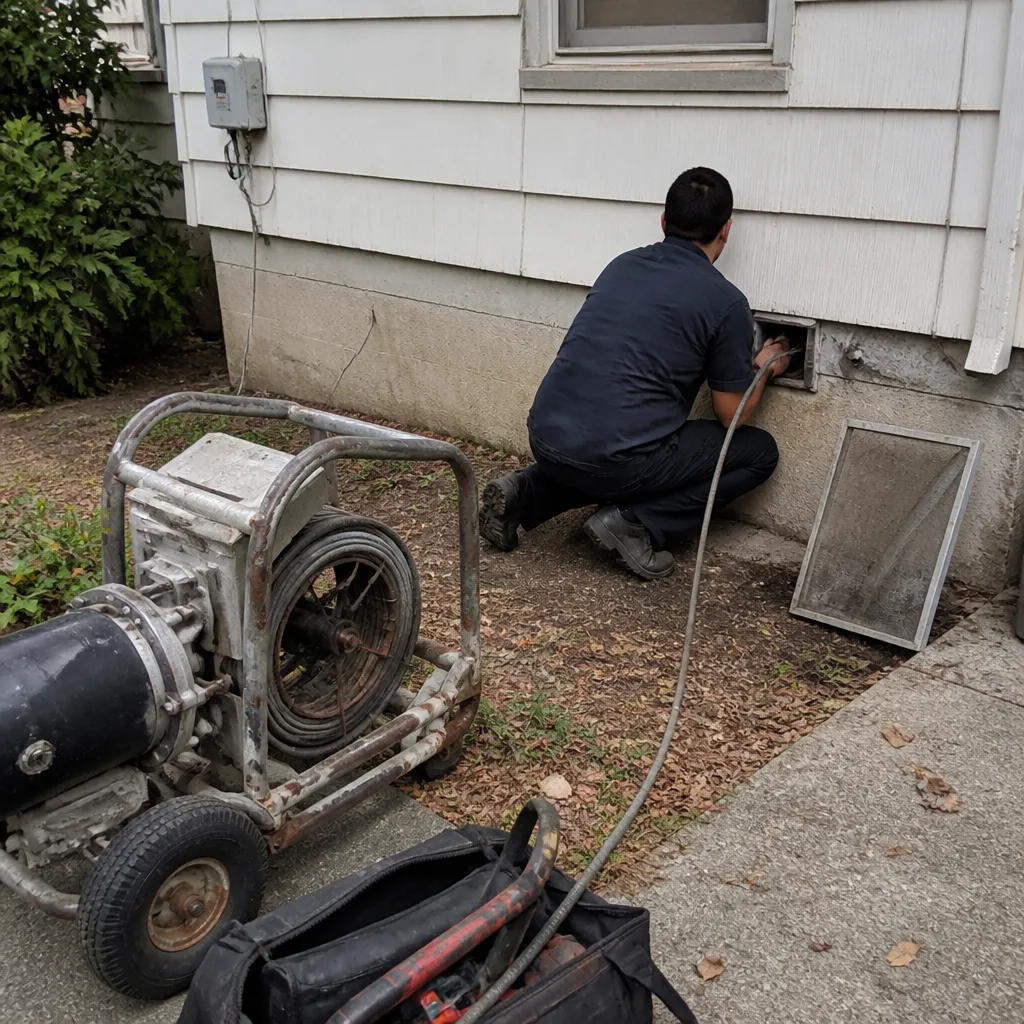 Before
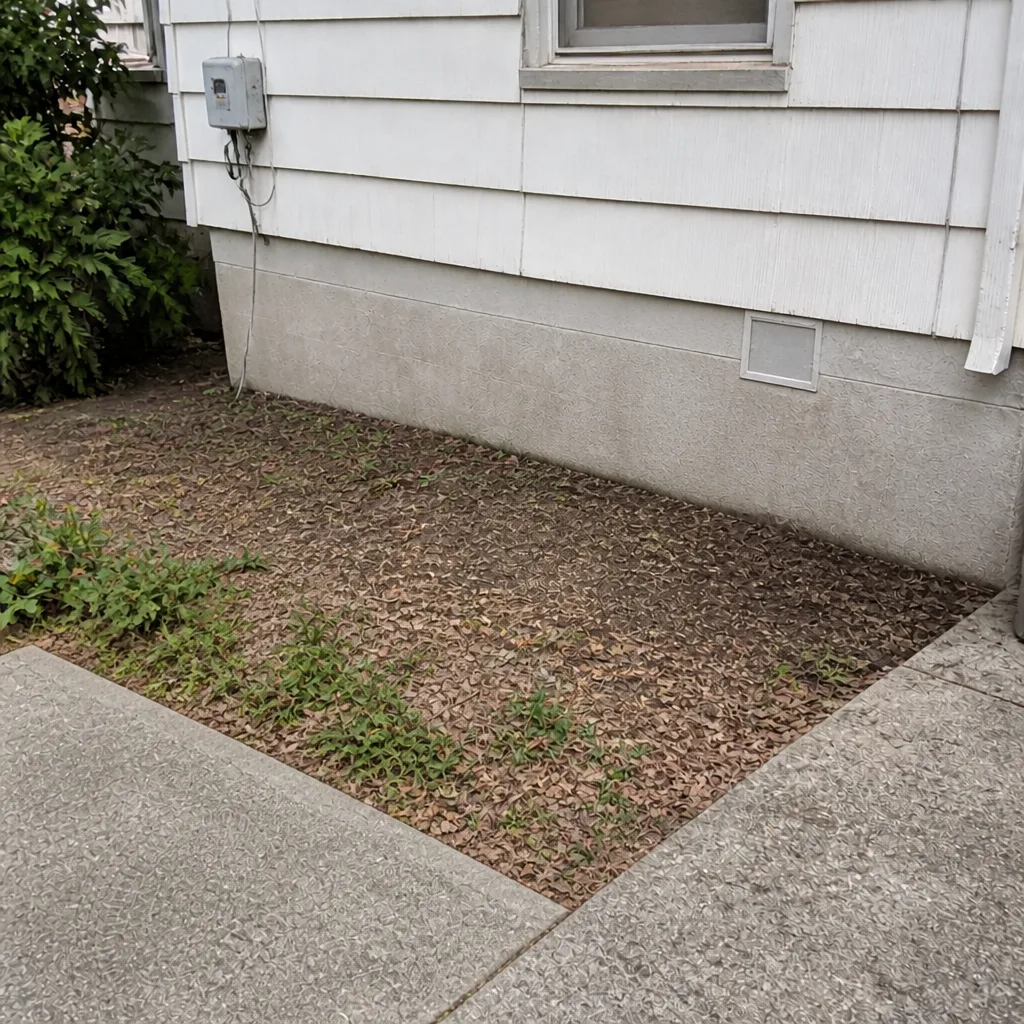 After
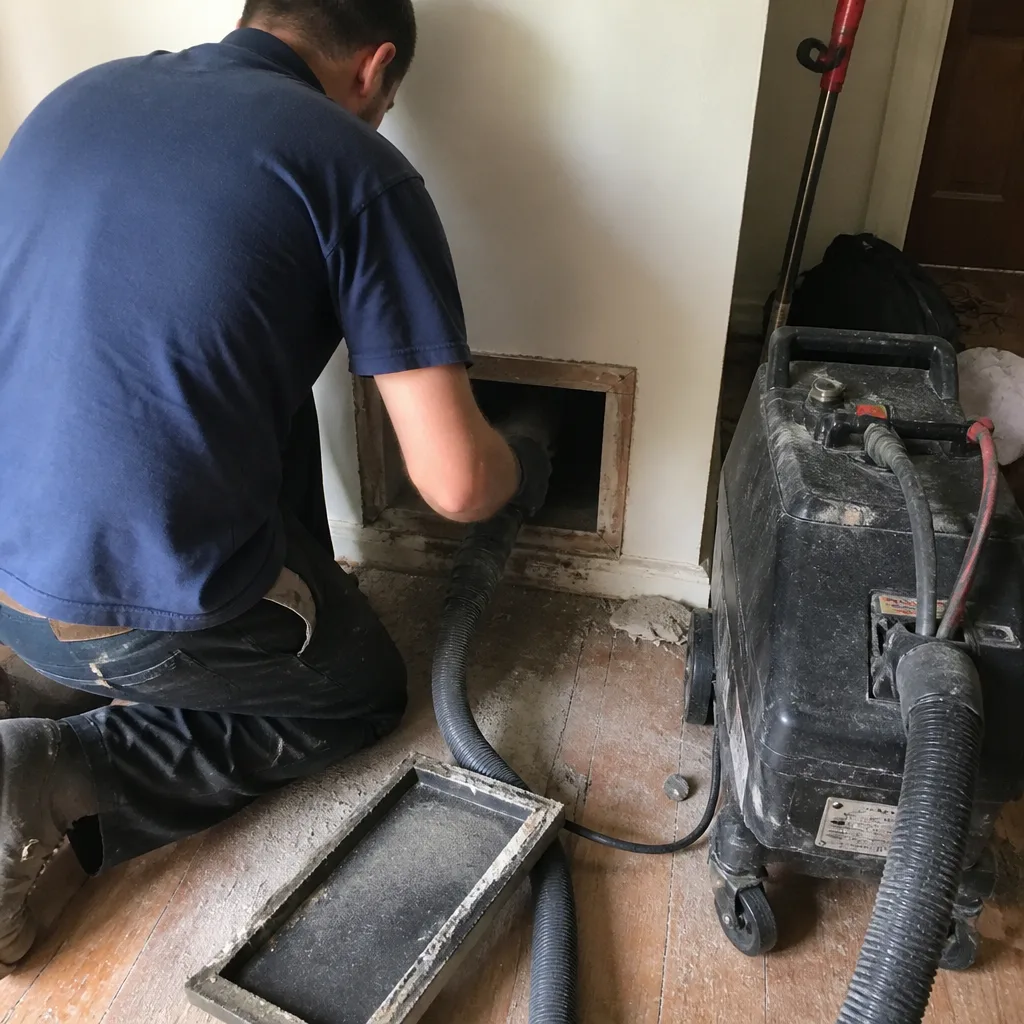 Before
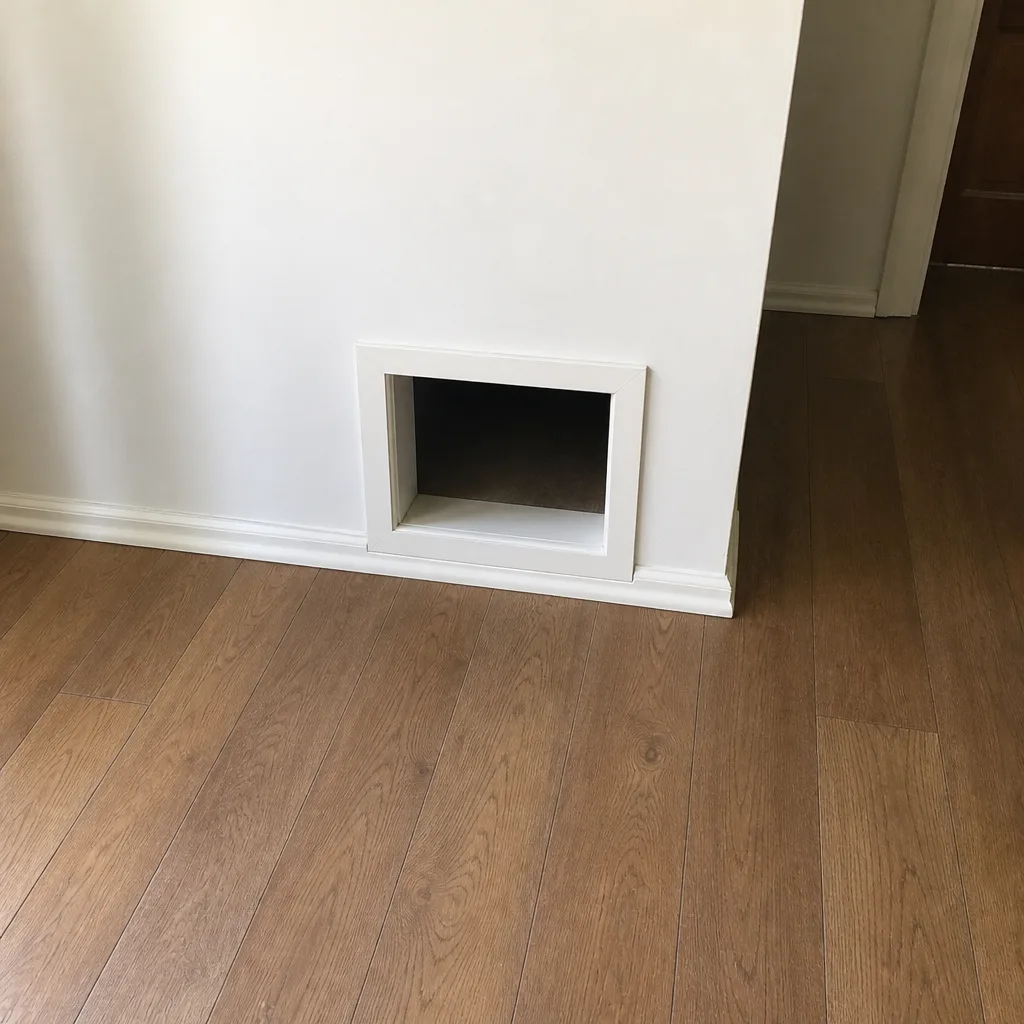 After
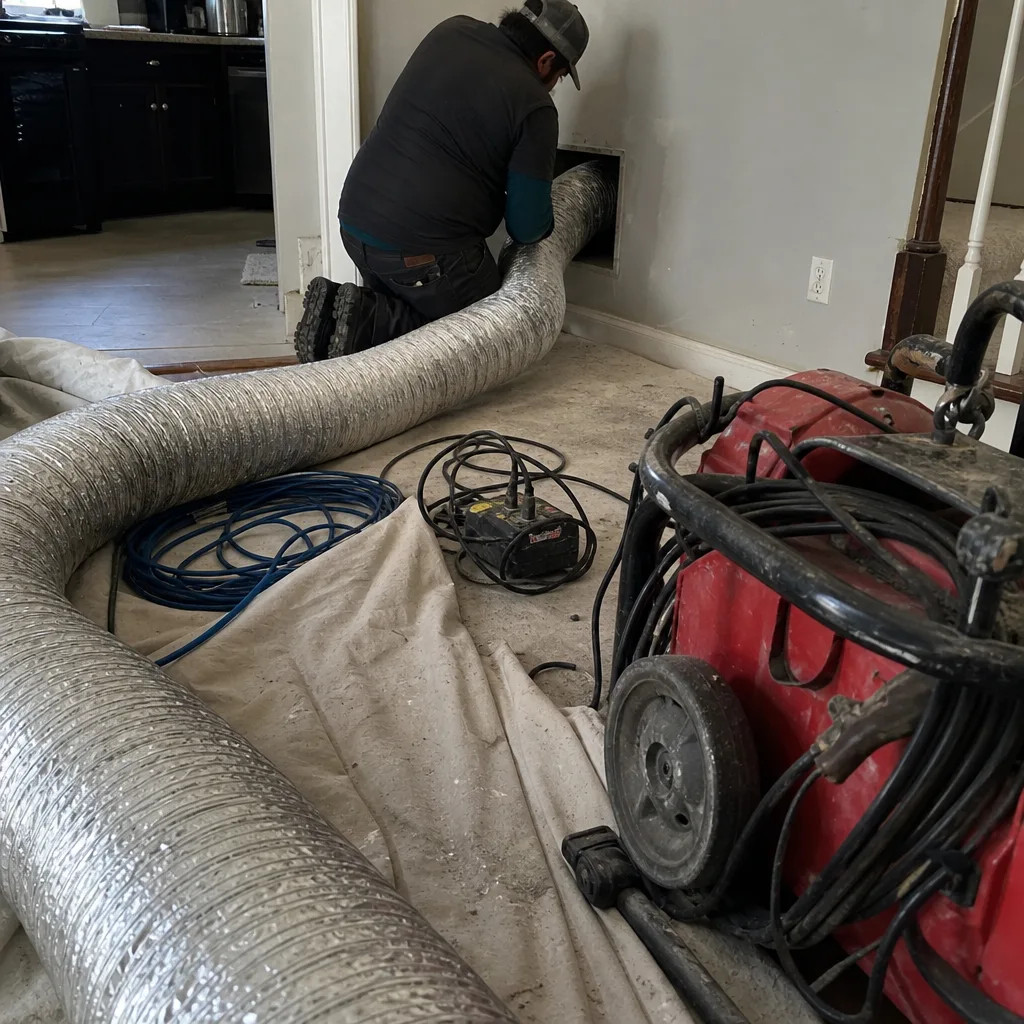 Before
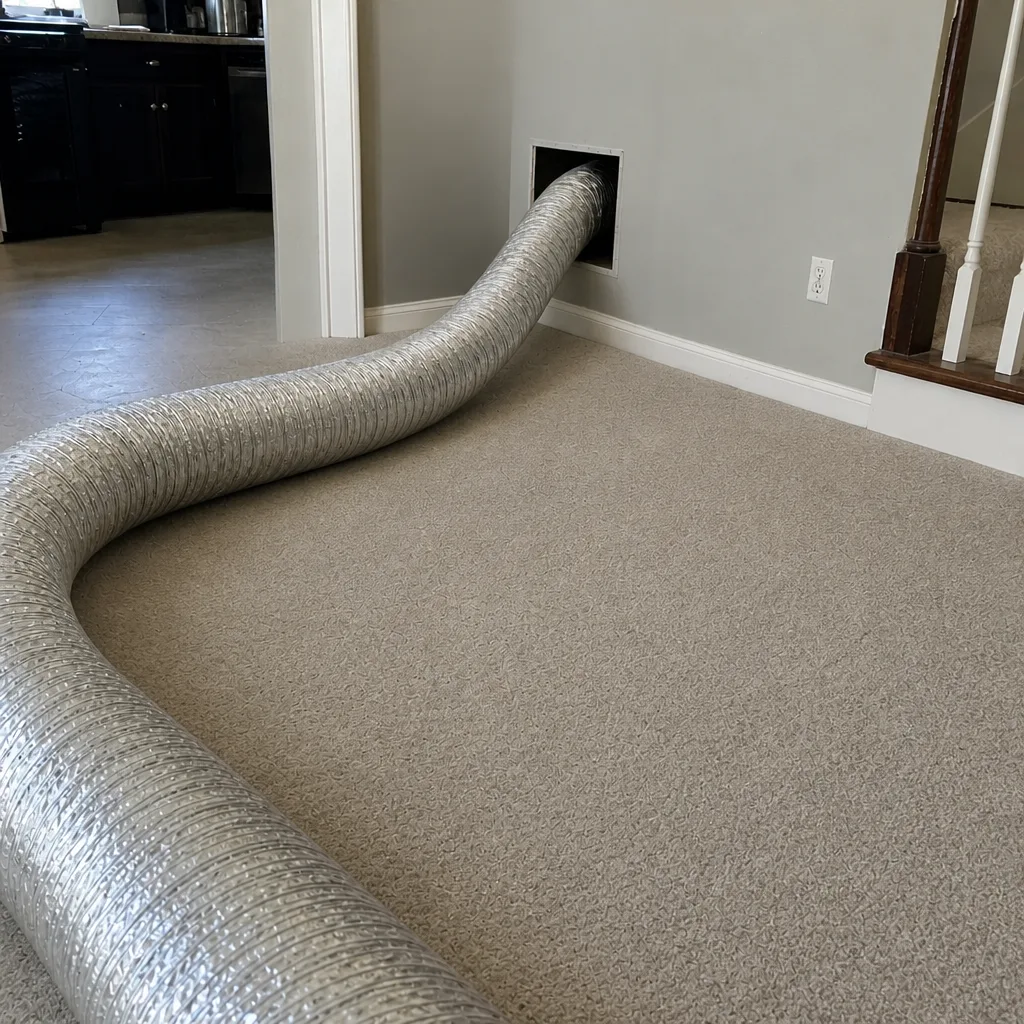 After
When to Call a Professional
Call a professional when the contamination source is inside the duct system rather than on the surface of your registers. Specifically: visible mold growth or a musty smell when the system runs; rodent activity or debris; recent major renovation; damaged or deteriorated duct material; a long or multi-elbow dryer vent; a system that hasn’t been cleaned in many years and has main trunk lines that need attention. If you’re in any of those categories in Newark, DIY can’t reach the problem and can make it worse.
Duct Cleaning Newark offers free estimates in Newark. Call (866) 485-3609. We answer 24/7, with fast dispatch from 7am to 7pm, Sunday through Friday. One flat price per system, agreed in writing before work starts, with before-and-after photos of your own ducts so you know the work was actually done.
Frequently Asked Questions
Every three to five years is a reasonable starting point for most homes, and there’s no fixed rule that applies to every house. A home with pets, a recent renovation, or a smoker in the household may benefit from more frequent cleaning. A home that’s freshly built or has been maintained with good filtration may not need it at the five-year mark. If you’re unsure, an inspection is a cheaper starting point than a cleaning. Call (866) 485-3609 for a free estimate if you’re in Newark.
It depends on the system: number of registers, length and layout of the trunk line, and whether repair or dryer vent cleaning is involved. We don’t quote per-vent prices, because a per-vent number never reflects the real scope of the job. We give one flat price per system in a written estimate before any work begins. The estimate is free. Call (866) 485-3609 to schedule one.
A low quote usually reflects a different service: blowing through registers with a shop vac, rather than full-system cleaning under negative pressure. That difference isn’t cosmetic. Professional equipment, proper containment, and before-and-after photos cost more to deliver, and the cheaper job often gets repeated a year later. Ask any provider what equipment they use, whether the whole system stays under negative pressure during the work, and whether you’ll receive photos of your own ducts. Call (866) 485-3609 for an estimate based on what your system actually needs.
Ask for before-and-after photos of your own duct system. A provider that can’t or won’t show you the inside of your ducts before and after is asking you to take the result on faith. We work to before-and-after photos on every job, alongside a documented scope agreed before work starts. If you want to see what’s actually in your ducts first, call (866) 485-3609 to book a free estimate.
Not if the ductwork includes any wrapping you can’t identify, or fiberglass board that’s deteriorating. Older Newark homes sometimes include asbestos-containing wrap at duct joints. If it’s intact and undisturbed, that’s one thing. But running a brush through it is a genuine hazard and creates a regulatory problem for the property. Have the material assessed before any cleaning, professional or DIY. Call (866) 485-3609 if you’d like a technician to evaluate what’s in your system.
Yes, if your vent is a short, straight run under about six feet. A dryer vent brush and a check on exterior airflow make a real difference, and lint build-up is a fire risk. If your vent has two or more elbows or runs a longer distance, DIY can’t clear it and the elbows stay packed with lint. That’s when it needs real cleaning equipment. Call (866) 485-3609 for an assessment if you’re not sure which category your vent falls into.
The Bottom Line
DIY air duct cleaning has a legitimate place: filter changes, register wipe-downs, and short straight dryer vent runs. It stops at the main trunk line, and the reason is equipment. Professional systems hold the whole duct under negative pressure at 2,000 to 4,000+ CFM, so what’s dislodged gets captured rather than redistributed. Newark’s older housing stock makes that line sharper: unidentified duct wrapping, failing fiberglass board, and contamination from mold, rodents, or renovation are situations where DIY doesn’t just fall short. If your ducts fall in the safe DIY category, do the safe jobs and skip the rest. If they don’t, we’ll tell you honestly what your system needs. Our duct cleaning in Newark team handles air duct cleaning and repair with the same visit, and you can learn more about what we cover in Newark. Call (866) 485-3609 for a free estimate. We answer 24/7. Fast dispatch from 7am to 7pm, Sunday through Friday.
Written by the team at Duct Cleaning Newark.