
Last updated November 14, 2026
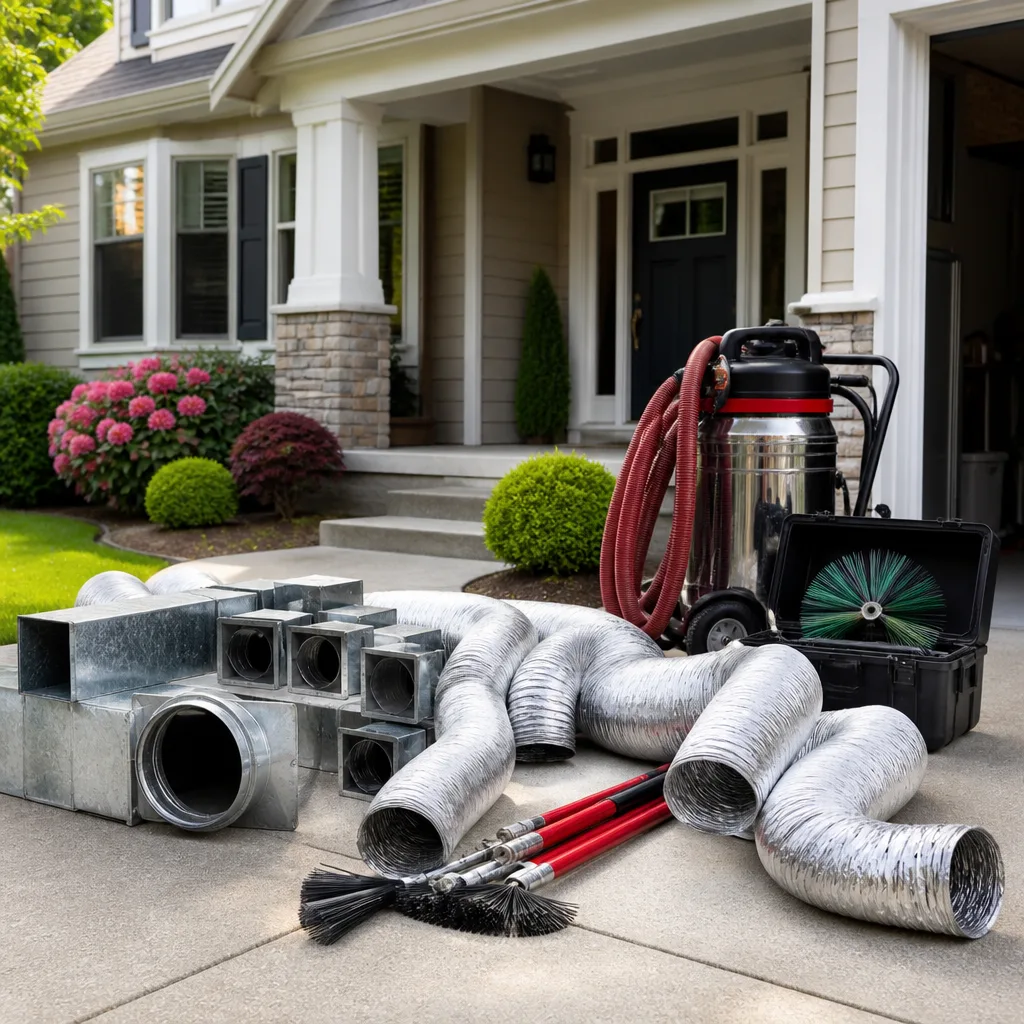 Whole-home duct cleaning
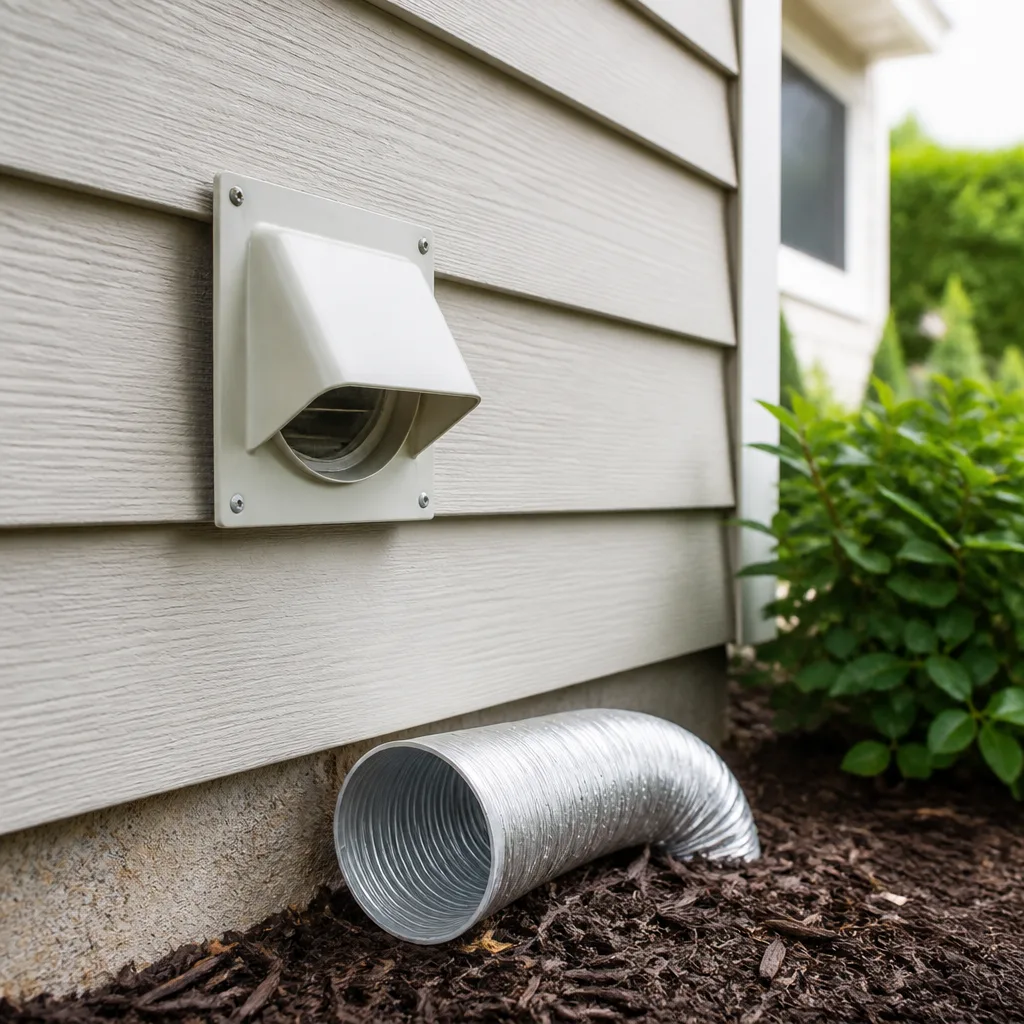 Dryer vent cleaning
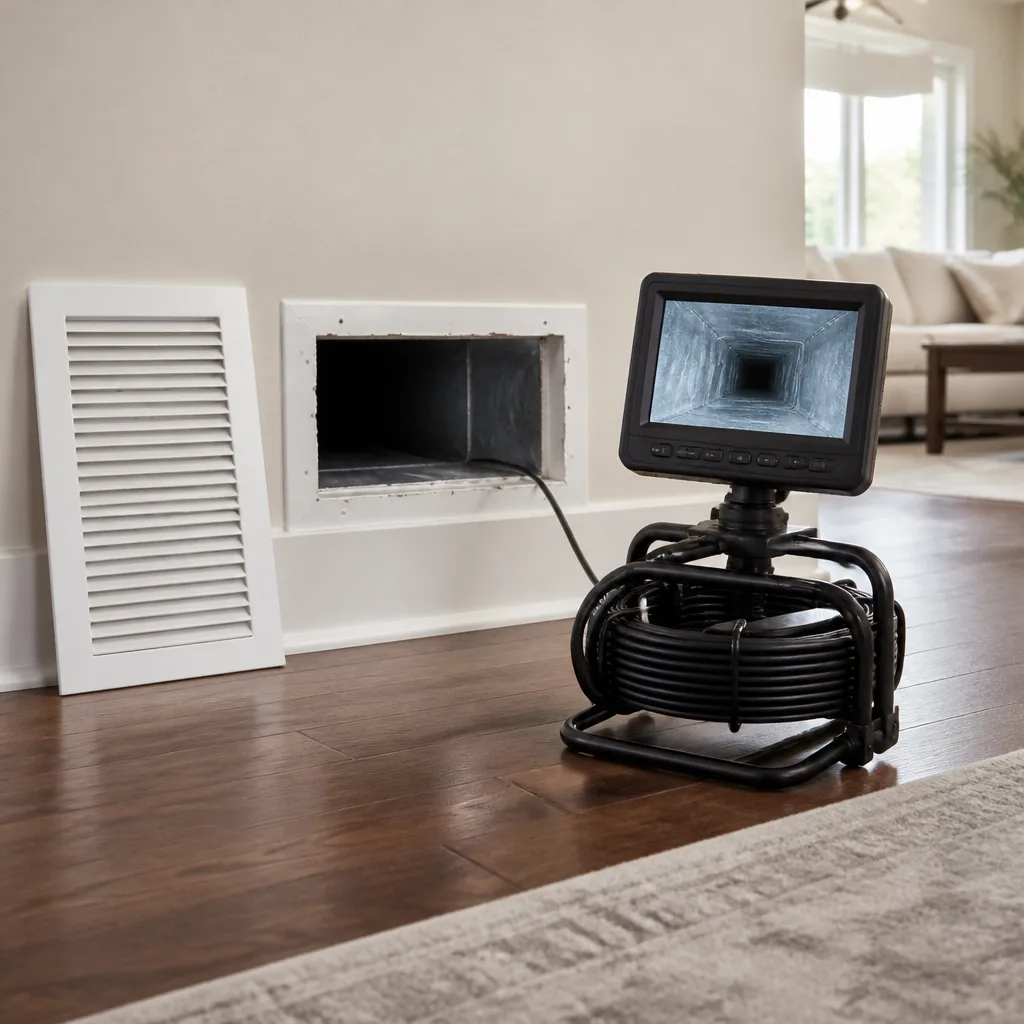 Camera inspection
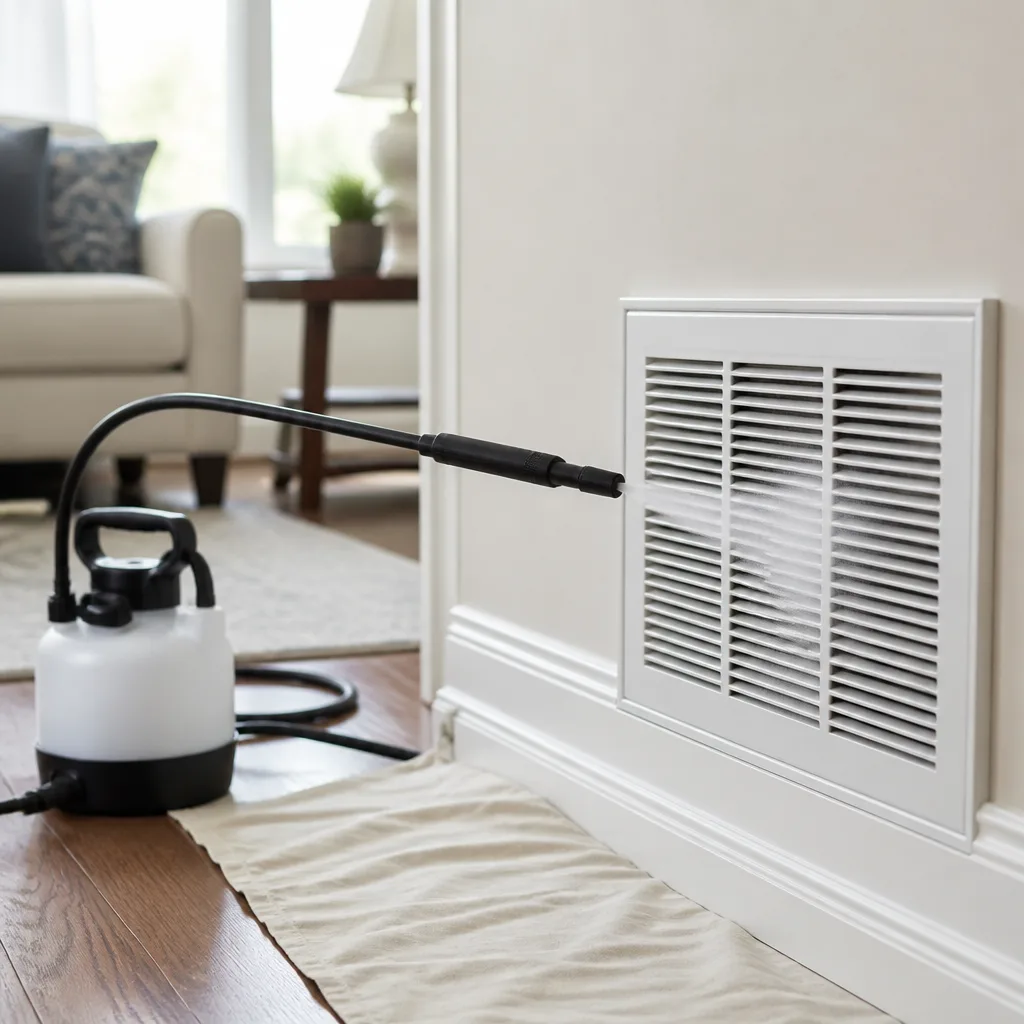 Sanitizing & deodorizing
Whole-system duct and dryer vent check with before-and-after photos - you see exactly what came out of your vents
That "$99 whole-house special" is a bait ad - the real number appears once they are in your hallway, or the "clean" is a shop-vac at the register. We photograph the inside of your ducts before and after instead.
Air Duct Cleaning Warning Signs: A Newark Homeowner’s Reference Guide
Visible dust on a supply register is a late warning sign, not an early one. By the time dust collects on the grille, contamination has been moving through your living space for weeks. The signals that actually matter show up earlier, and they’re subtle: a faint smell in one room, a bedroom that never catches up to the thermostat, a dryer that needs a second cycle. Reading those signals correctly is what this guide is for. We’ll map specific things you can observe in a Newark home to their likely duct-side causes, so when you talk to a contractor you can describe what you’re seeing instead of saying “something feels off.”
Quick Answer
The main warning signs that ducts need attention are a musty or metallic odor when the system runs, dust that returns to surfaces within days of cleaning, rooms that stay warmer or cooler than the rest of the house, visible dark or fuzzy growth inside a register, and a dryer that suddenly takes longer to finish. In Newark’s older rowhouses and multifamily buildings, uneven room temperatures and dryer vent problems are the two signals homeowners most often misattribute to equipment failure. If any warning sign comes with a burning smell, visible soot, or a dryer that won’t dry at all, stop using that system and get it inspected before running it again.
Styles & brands we work with
- Whole-home duct cleaning
- Dryer vent cleaning
- Camera inspection
- Sanitizing & deodorizing
Table of Contents
- Normal Dust vs. Biofilm: What to Look For Inside a Register
- Why Uneven Room Temperatures Usually Point to Leaks, Not Your Thermostat
- Odor Diagnostics: Mapping the Smell to the Cause
- Dryer Vent Warning Signs in Newark’s Rowhouses and Multifamilies
- When a Warning Sign Means “Stop Running the System”
- What Professional Duct Cleaning Actually Involves
- Warning Signs of Duct Damage That Cleaning Alone Won’t Fix
Normal Dust vs. Biofilm: What to Look For Inside a Register
There’s a real difference between ordinary household dust in a duct and contamination that needs professional attention, and you can usually tell them apart with a flashlight and your nose. Both can look similar on a grille. The inside of the boot is where the story shows up.
Ordinary dust settles as a fine, uniform, gray-to-brown coating. It’s dry, it wipes off easily, and it has no real smell. It accumulates slowly and evenly. That’s what most ducts look like between cleanings, and it’s not automatically a problem.
Biofilm looks different. It grows where condensation or persistent moisture has kept the duct surface damp, which in Newark’s humid summers is most often the sheet metal runs in a basement or along an exterior wall. What you’re looking for:
- Color: dark spotting, gray-black patches, or pale green-white films that don’t match the surrounding dust.
- Texture: fuzzy or raised growth, or a sticky, tacky coating that doesn’t brush off cleanly. Dust smears; biofilm holds its shape.
- Odor profile: a damp, earthy, or cellar-like smell right at the register, not just in the room.
- Location: it reappears after a surface wipe, in the same spot, within a couple of weeks.
If you’re seeing that combination, the duct surface is holding moisture somewhere upstream. Cleaning it without finding the source is a short-term fix. That’s a case where the right equipment matters: Abatement Technologies gear is the kind used in professional remediation settings, which is what we use precisely because a damp duct doesn’t respond to a quick vacuum. Our technicians have up to 8 years of experience reading that difference, and knowing when growth points to a source is the part a general cleaning service usually skips.
Why Uneven Room Temperatures Usually Point to Leaks, Not Your Thermostat
If the front room is comfortable and the back bedroom never quite gets there, the first instinct is to blame the thermostat or the equipment. In Newark’s older rowhouses, it’s more often the ducts. Supply and return runs in these buildings were routed around brick party walls, through narrow chases, and sometimes through unconditioned space. Any of those paths loses conditioned air before it reaches the room.
The number of rooms affected tells you something about the cause:
- One room on one side of the house: usually a single blocked or disconnected branch, or a damper that’s partly shut.
- One whole upstairs or downstairs level: often a return path problem, or a collapsed flexible run in a chase.
- Every room farthest from the unit: the classic signature of leaks along the trunk line. The air is escaping before it gets to the far end.
- One room that’s warmer in summer and colder in winter: a strong indicator of an unsealed joint or a duct run passing through a hot or cold zone without insulation.
Before you replace a thermostat, walk the house with a hand along the registers. Feel for strong airflow at the near registers and weak airflow at the far ones. If the near ones are strong and the far ones are barely moving, the air is going somewhere. Leaking ducts also leave a clue you can sometimes see: dusty streaks on the sheet metal or insulation near the joints in a basement or utility closet. Newark’s mix of pre-war rowhouses, three-family buildings in the Ironbound, and older homes throughout the West Ward means plenty of duct systems designed for coal-era or early forced-air layouts that have been patched and extended over the years. Uneven heating is often simply decades of small losses adding up.
Odor Diagnostics: Mapping the Smell to the Cause
Smell is the fastest diagnostic tool a homeowner has, but only if you know what each type of smell usually points to. The urgency varies a lot between them, so treat this as a decision guide rather than a checklist of things to worry about.
Musty or earthy
The classic sign of moisture in the duct system or in the space around it. Often accompanied by biofilm, as above. Urgency: schedule an inspection soon, especially if it’s stronger when the system starts up. That’s the moment stale air from the ducts is pushed into the room.
Metallic
Usually a fresh sheet metal duct that’s still off-gassing, or ordinary odor from new construction and renovation. It fades on its own. Urgency: low, but if it’s been going for months and the ducts are older, it’s worth a look.
Burning, hot, or plastic-like
This is the one that changes the rules. A burning smell when the heat runs can come from dust on the heat exchanger burning off, an overheating blower, or a failing component. Turn the system off and have it checked before restarting. Nothing about this smell is a duct cleaning matter first.
Chemical or solvent-like
Usually a sign of something in the air being drawn in from outside or from a neighboring unit, or off-gassing from new materials. In a multifamily building it can also be a neighbor’s renovation getting pulled into your return. Urgency: moderate, and worth tracing rather than cleaning around.
Stale, closed-in, “old basement”
The quietest warning. It’s the smell of a return system drawing from a damp or poorly ventilated area and distributing that air everywhere. Often improved by cleaning and by addressing the source, and often connected to indoor air quality equipment that’s aged out. Honeywell and Aprilaire air quality systems are the ones we work with, and we’ve seen plenty where a filter or a humidifier pad had become a smell source in its own right. If the smell lives at the return and not in any one room, start there.
Dryer Vent Warning Signs in Newark’s Rowhouses and Multifamilies
A dryer vent is a fire-risk system, not a comfort issue. In Newark’s rowhouses and multifamily buildings, the vent runs are often long, routed through shared walls, and terminated with a flap on an exterior wall where nobody looks. That combination creates specific warning signs worth knowing.
Longer dry cycle times. Laundry that used to finish in 40 minutes now takes 60 or 70, or needs a second cycle. The dryer is still heating, but the exhaust air isn’t getting out. This is the earliest and most reliable sign.
Exterior vent flap not fully opening. When the dryer runs, the flap on the outside should lift and hold. If it barely moves, or stays shut and the dryer is running, the airflow is restricted. If the flap is stuck open when the dryer is off, the vent is letting in cold air, insects, and moisture. Either way, it’s worth checking.
Lint appearing outside the trap. Finding lint around the lint trap housing, in the lint trap cavity, or around the back of the dryer means lint is bypassing the trap and building up in the vent. In Newark’s older multifamily buildings, lint can also escape into a basement or service area and pile up at a duct elbow where no one sees it.
The dryer or the room feeling too hot. A dryer cabinet that’s unusually warm to the touch, or a laundry area that gets noticeably hot, means heat isn’t exhausting. Stop using the dryer until the vent is checked.
A musty smell on the clothes after drying. Damp lint sitting in a vent can make the whole load smell musty. That’s a clean-out sign, not a detergent problem.
Dryer vent cleaning is the second of our three services, and it’s the one most duct-only companies don’t offer. That matters in Newark because the vent runs are often the hardest part of a building to inspect. If you’re not sure whether the vent is the problem, run the dryer, then step outside and watch the flap. You’ll have your answer in under a minute.
When a Warning Sign Means “Stop Running the System”
Not every warning sign is equal. Some say “schedule this soon,” and some say “don’t use this until someone trained has looked at it.” Here are the thresholds that change the calculus.
Stop the dryer immediately if:
- The dryer smells like scorched fabric or hot metal.
- The exterior flap won’t open when the dryer runs.
- The dryer cabinet itself is too hot to rest your hand on.
- Clothes are barely warm or damp after a full cycle, and it’s getting worse.
A restricted dryer vent concentrates heat, and lint is fuel. This is a stop-and-inspect condition, not a “next time we clean” condition.
Stop the furnace or AC if:
- You smell burning when the heat runs, especially on first startup of the season or after you’ve just changed filters.
- You see soot streaks or any dark staining at a register, which points to combustion gas getting somewhere it shouldn’t. Gas appliances and combustion venting are not a homeowner diagnostic project. Turn the system off and call a qualified technician.
- A return register is pulling air from a damp or musty area and the smell comes on strongly every time the blower starts.
Schedule soon, but keep using the system if:
- You’re seeing biofilm inside a register.
- Several rooms are unevenly heated and it’s been slowly getting worse.
- Dust returns to furniture within a few days of dusting.
- The dryer cycle has lengthened but the vent flap moves properly.
If you’re unsure which of these you’re looking at, describe what you’re smelling and where to a technician before you run the system again. We answer 24/7. A call outside dispatch hours is booked into the next opening, Sunday through Friday, 7am to 7pm.
What Professional Duct Cleaning Actually Involves
One of the reasons warning signs get ignored is that homeowners don’t know what a real cleaning looks like, so a cheap one looks like enough. It usually isn’t. Here’s the actual sequence a thorough job follows.
- Assessment before any machine is turned on. A technician checks the duct type (rigid sheet metal, flex, or a mix), the contamination level, and the condition of the joints. That’s where the equipment choice comes from.
- Matched equipment selection. Rigid trunk lines and flexible branch runs don’t respond to the same method. That’s why we run both Rotobrush and Nikro systems: two distinct professional platforms, matched to the duct type and the contamination, instead of forcing everything through one approach.
- Negative pressure and containment. The work area gets sealed, and the cleaning pulls loosened material toward the collection rather than blowing it into the room. Guardsman-level care for surfaces and systems during service is the standard we hold the job to, which matters in an occupied home or a tenant-occupied building.
- Register-by-register cleaning. Each supply and return is worked individually. Whole-system work, not a sweep of the trunk line.
- Before-and-after documentation. Photos of the same runs, before and after, so there’s something concrete to look at instead of a claim.
- Post-cleaning walkthrough. What was found, what was cleaned, and whether anything needs repair.
If a quote is built around a low per-vent price and no one has looked inside the system, the number is a starting point, not an estimate. Reading Duct Cleaning Newark first tells you what a full-system quote should describe, and air duct cleaning walks through our process for a Newark home in detail.
Warning Signs of Duct Damage That Cleaning Alone Won’t Fix
Some warning signs come from dirt. Others come from damage that cleaning can’t fix, and finding it mid-job is where a lot of duct cleaners walk away. This guide would be incomplete without naming those signs, because they change what the job is.
- Air coming out weak at one register while the blower is loud: often a disconnected or torn flex run in a chase. Cleaning the rest of the system won’t fix that register.
- Dust streaks or soot-like staining at joints and seams: unsealed joints pulling in air from wherever the run passes through. Seal it or the leak stays.
- Rattling, ticking, or a whistling sound when the blower changes speed: loose or disconnected sections, or a collapsed run, vibrating against a stud.
- A duct run that collapses when you press on it: failed flexible duct. It’s not holding its shape, so it’s not moving air properly.
- Musty smell that comes back weeks after cleaning: damp air entering through a leak, or the source was never sealed.
Air duct repair is the third of our three services, and it exists because we don’t leave damaged ductwork for someone else. If cleaning reveals a tear, a disconnected joint, or a collapsed run, the same visit can address it rather than starting a second phone call. That’s the practical reason to ask a contractor, before booking, whether they repair what they find or only clean around it. Cleaner air starts at the source, and a leaking duct is a path for both dirt and untreated air.
If you’re a landlord or property manager in one of Newark’s multifamily buildings, this matters more. A damaged run in one apartment can send conditioned air, dust, and whatever’s in the chase into another unit. Documenting the before-and-after of a repair, not just a cleaning, is the difference between a record you can stand behind and a receipt.
Common Mistakes to Avoid
- Judging duct condition by the grille alone. Dust on a register is a late sign. Look inside the boot with a flashlight before deciding the job is done or not needed.
- Blaming the thermostat for uneven rooms. In Newark’s older homes, a room that’s warm in summer and cold in winter is usually a duct issue. Replacing the thermostat first wastes money and delays the actual fix.
- Wiping a register and calling it handled. If growth reappears in the same spot after a wipe, there’s moisture upstream. Surface cleaning doesn’t reach the source.
- Ignoring a dryer that takes longer. A cycle that’s quietly lengthened over months is the earliest and most reliable sign of a restricted vent. It’s a fire-risk item and worth inspecting sooner rather than later.
- Skipping the exterior vent check. In a Newark rowhouse or multifamily, the vent termination is easy to forget. Watch the flap while the dryer runs; a stuck-closed flap is a stop-and-inspect condition.
- Booking a cleaning before asking about repair. If a contractor only cleans and won’t repair what they find, damage gets discovered and left. Ask before booking.
- Treating a burning smell as a duct issue. It isn’t. Turn the system off and call a qualified technician. Combustion and electrical problems aren’t a cleaning matter.
See the difference
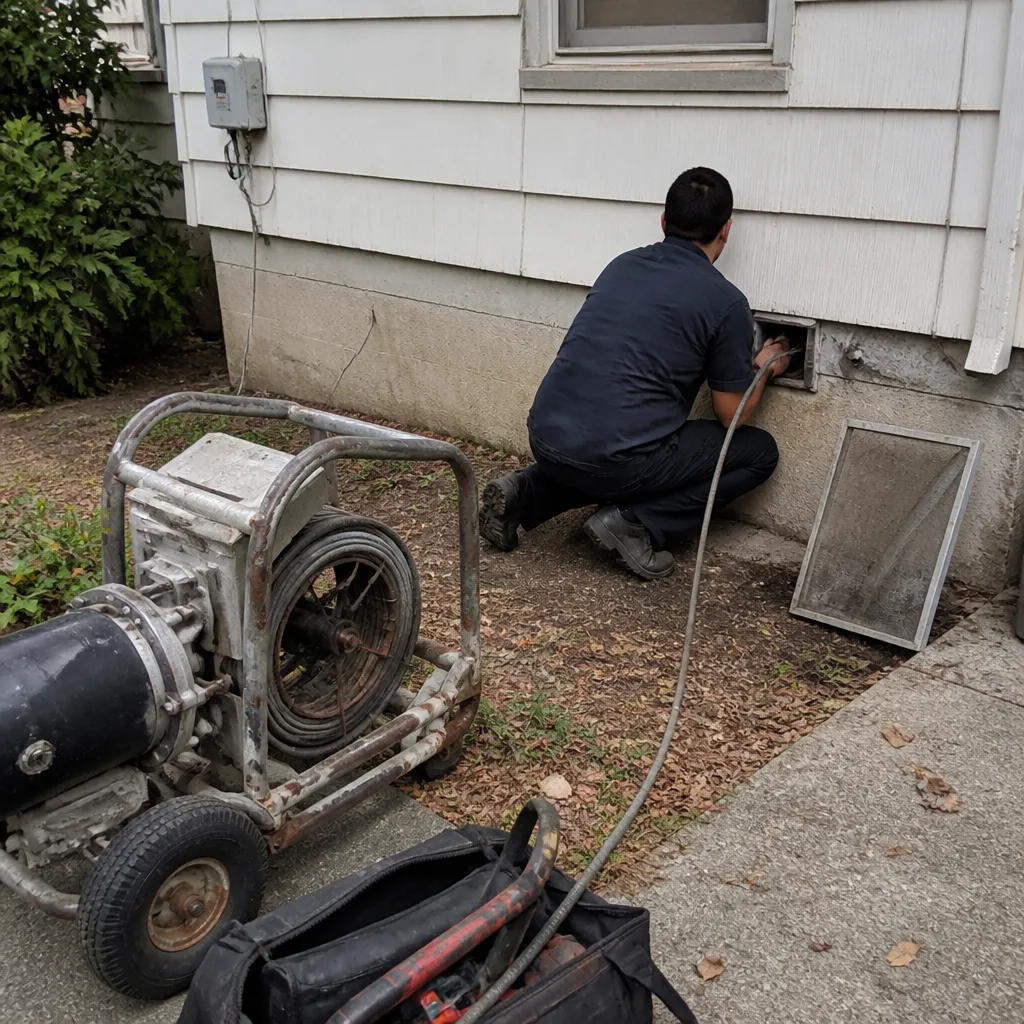 Before
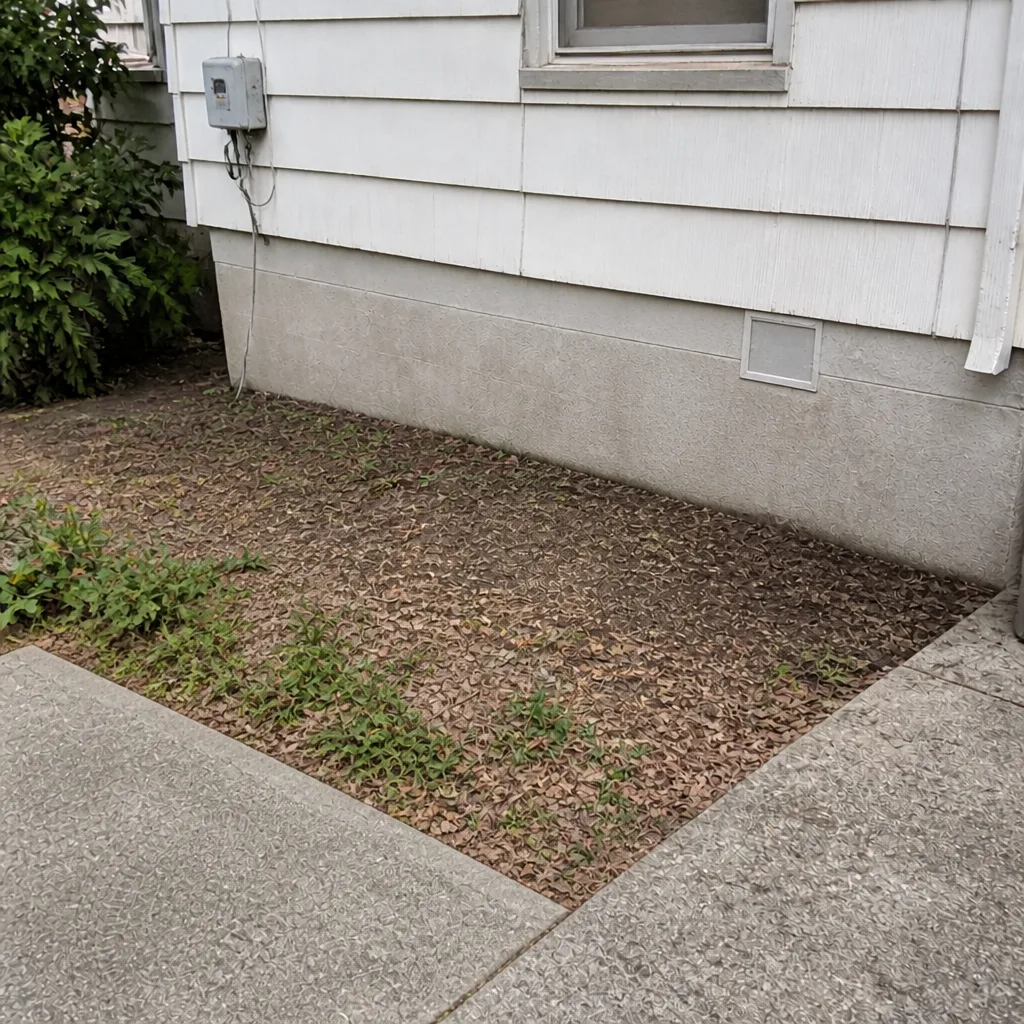 After
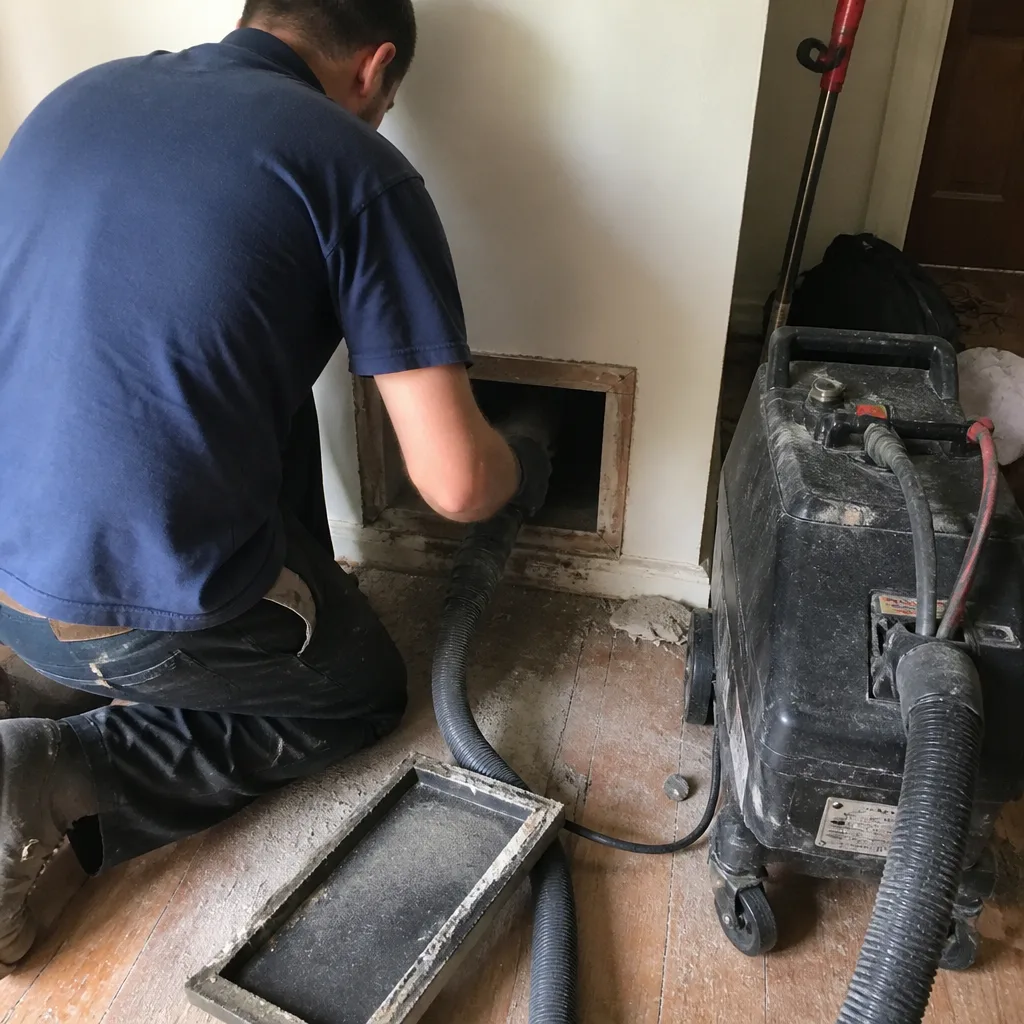 Before
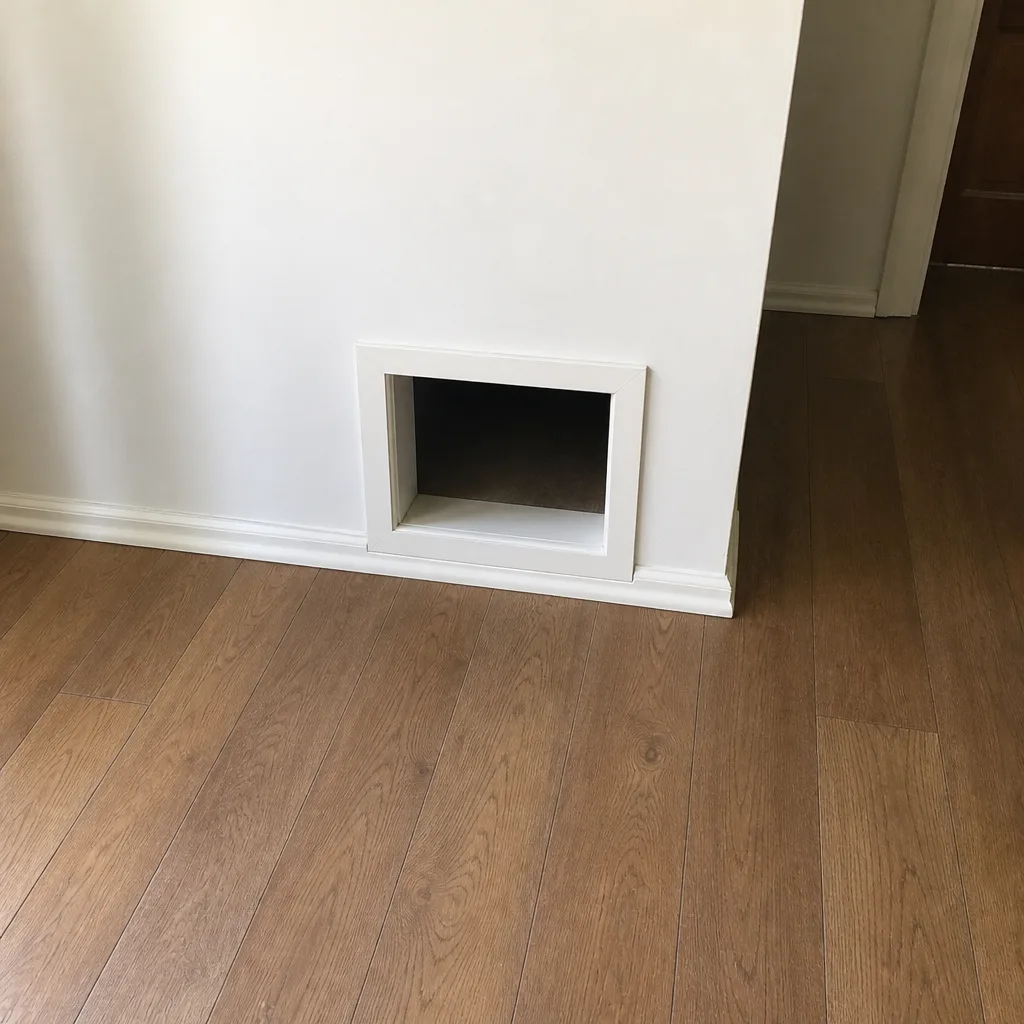 After
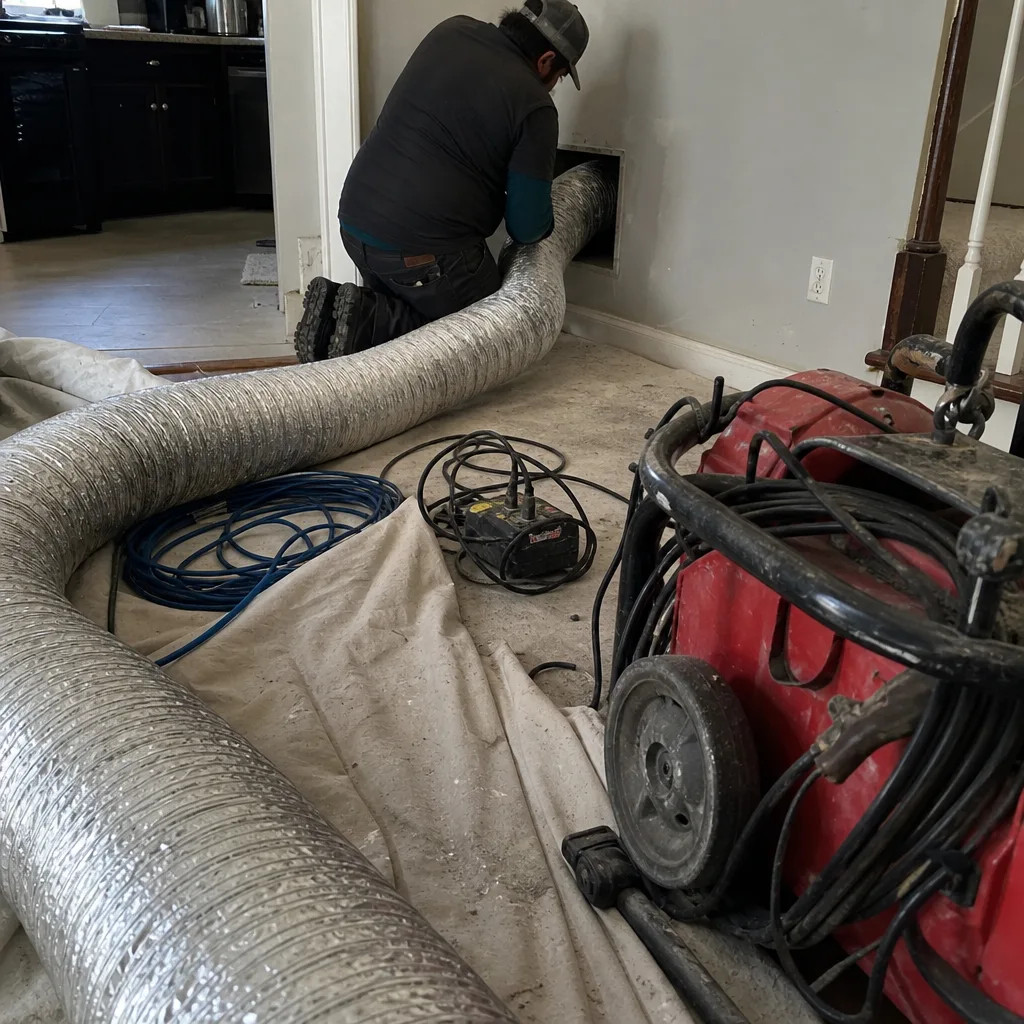 Before
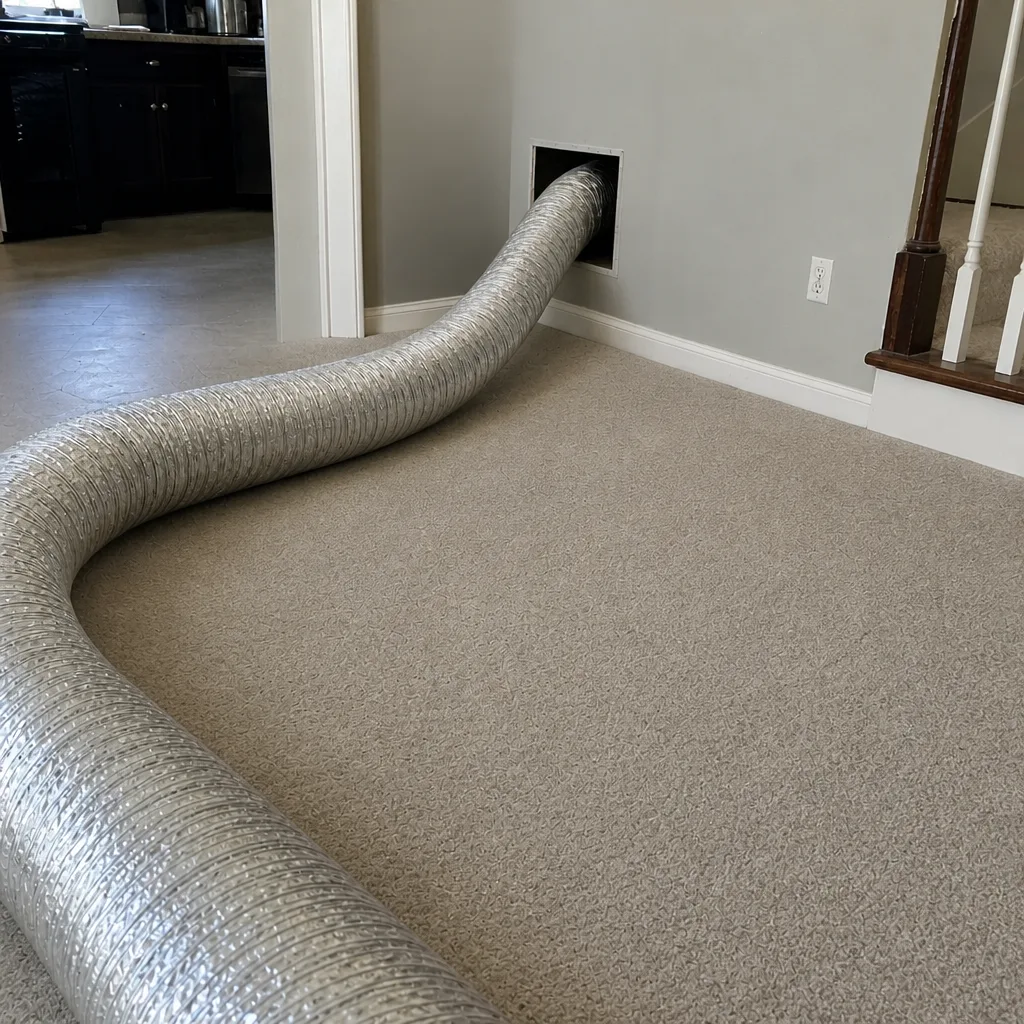 After
When to Call a Professional
Call a professional when you’re seeing biofilm inside a register, when rooms have been unevenly heated for more than a season and it’s getting worse, when dust returns to surfaces within days, or when the dryer cycle has lengthened and the exterior flap isn’t opening properly. Call immediately, without running the system, if you smell burning, see soot or dark staining at a register, or the dryer cabinet is hot to the touch. If you’re not sure which category you’re in, describe what you’re seeing; a technician can usually tell you whether it’s a cleaning job, a repair job, or something that needs a different trade entirely. Duct Cleaning Newark offers free estimates in Newark: call (866) 485-3609. We answer 24/7. Fast dispatch from 7am to 7pm, Sunday through Friday.
Frequently Asked Questions
The earliest signs are usually a faint musty smell when the system starts, dust returning to furniture within days of cleaning, and one room that’s always warmer or cooler than the rest. Visible dust on a register is a later sign. If you’re unsure, walk the house with a flashlight and look inside two or three registers. Call (866) 485-3609 for an exact quote; estimates are free.
Normal dust is dry, uniform, gray-brown, and wipes off easily with no smell. Biofilm is fuzzy or sticky, often dark or pale green-white, has a damp earthy smell at the register, and comes back in the same spot after a wipe. If you see that combination, the duct surface is holding moisture and the source needs to be found. Call (866) 485-3609 to book an inspection; estimates are free.
In an older rowhouse, one cold room is usually a duct problem, not a thermostat problem. A single blocked or disconnected branch, a partly shut damper, or a leaking joint along the trunk line will starve the farthest room while near rooms stay comfortable. Feel for strong airflow at near registers and weak flow at far ones, then call (866) 485-3609; estimates are free.
A burning smell when the heat runs means something is overheating or burning that shouldn’t be. Turn the system off and have it checked by a qualified technician before restarting. It isn’t a duct cleaning issue first. Our line is answered 24/7. Fast dispatch from 7am to 7pm, Sunday through Friday, and a call outside those hours is booked into the next opening.
There’s no single interval that fits every home. A duct system that shows biofilm, dust returns within days, or persistent uneven room temperatures after cleaning is telling you something changed. Homes with pets, recent renovation dust, or a history of moisture are worth inspecting more often. When the signs above appear, that’s the time. Call (866) 485-3609 for an exact quote; estimates are free.
Some can, some can’t. A longer dry cycle with a vent flap that opens fully can wait for a scheduled cleaning. A flap that won’t open, a hot dryer cabinet, or a scorched smell means stop using the dryer until the vent is inspected. Dryer vents are a fire-risk system, so err toward checking. Call (866) 485-3609 and describe the sign; estimates are free.
The Bottom Line
The warning signs that matter most aren’t the obvious ones. Dust on a register is late. The early signals are a faint smell at startup, a room that never catches up, a dryer cycle that quietly lengthened, and growth inside a register that keeps returning. Newark’s older rowhouses and multifamily buildings make those signals more common, and also easier to misread as equipment trouble. Read them as a description of the system, not a verdict. When you call, you can tell a technician what you’re smelling, seeing, and feeling; that’s the difference between a guess and a plan. We clean, repair, and clear, with commercial-grade equipment matched to the system in front of us. Call (866) 485-3609 for a free estimate. We answer 24/7. Fast dispatch from 7am to 7pm, Sunday through Friday. You can also read more about dryer vent cleaning and the Newark neighborhoods we work in.
Written by the team at Duct Cleaning Newark.