
Last updated November 14, 2026
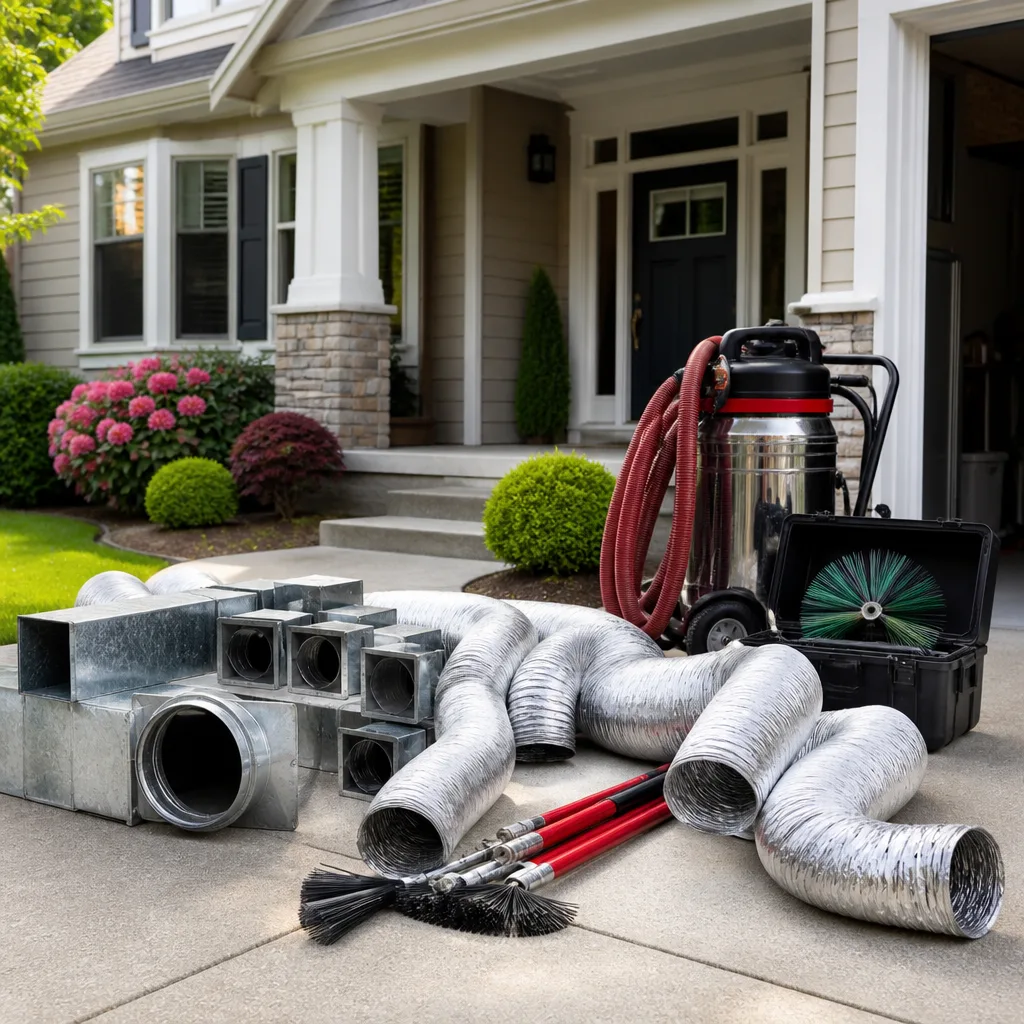 Whole-home duct cleaning
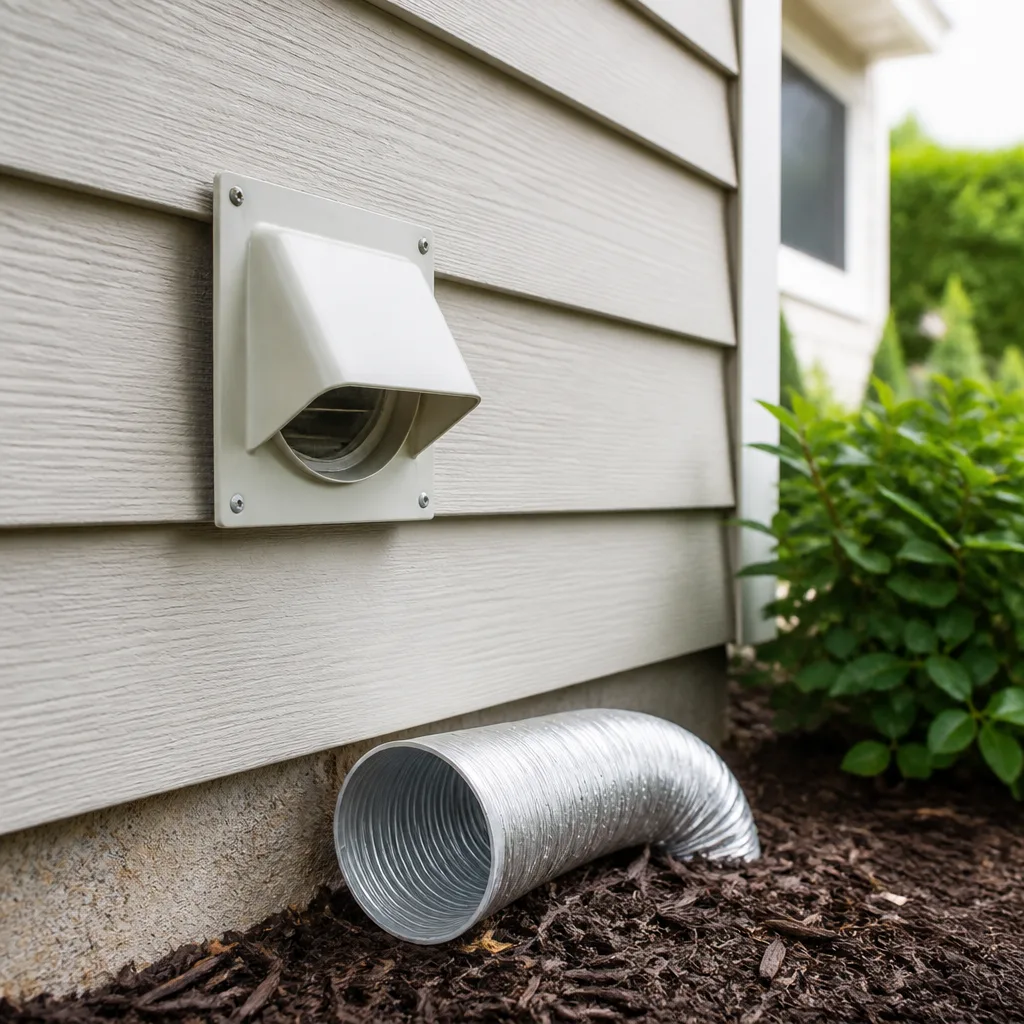 Dryer vent cleaning
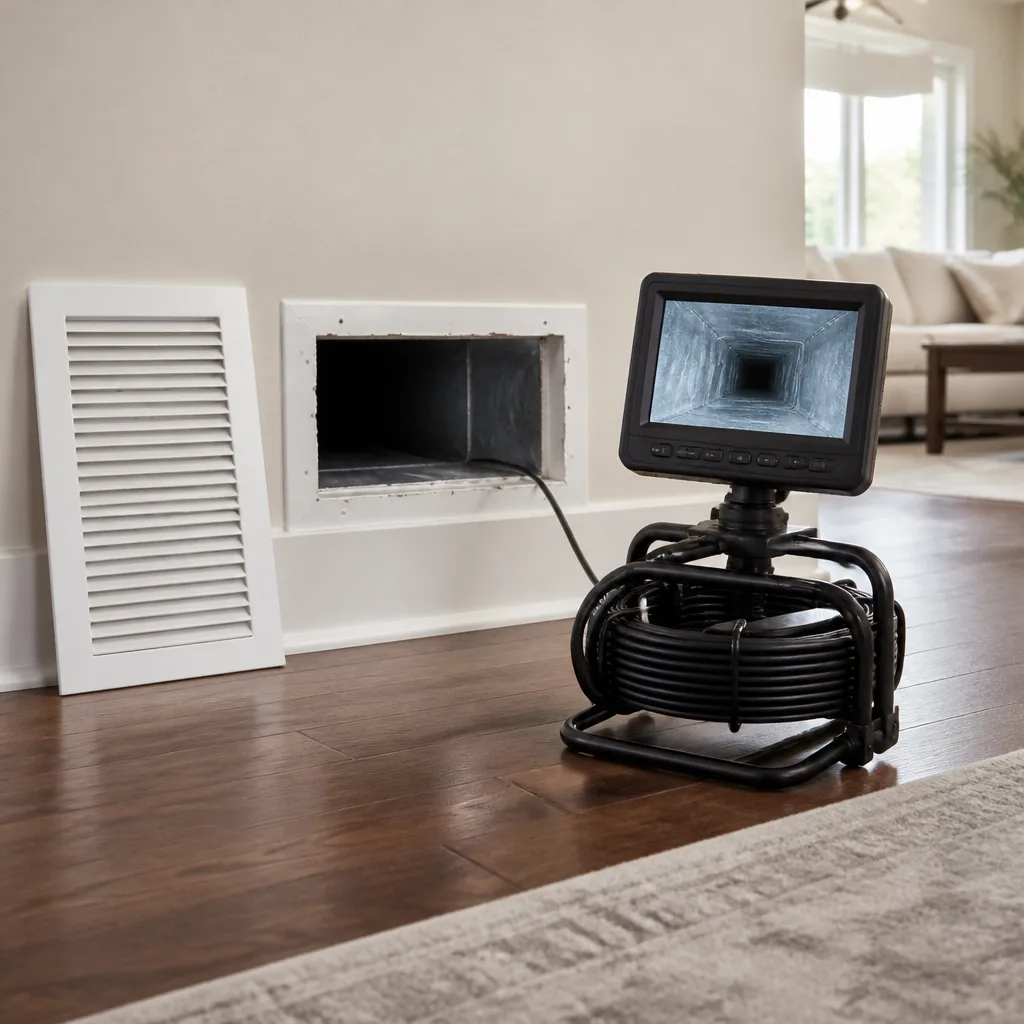 Camera inspection
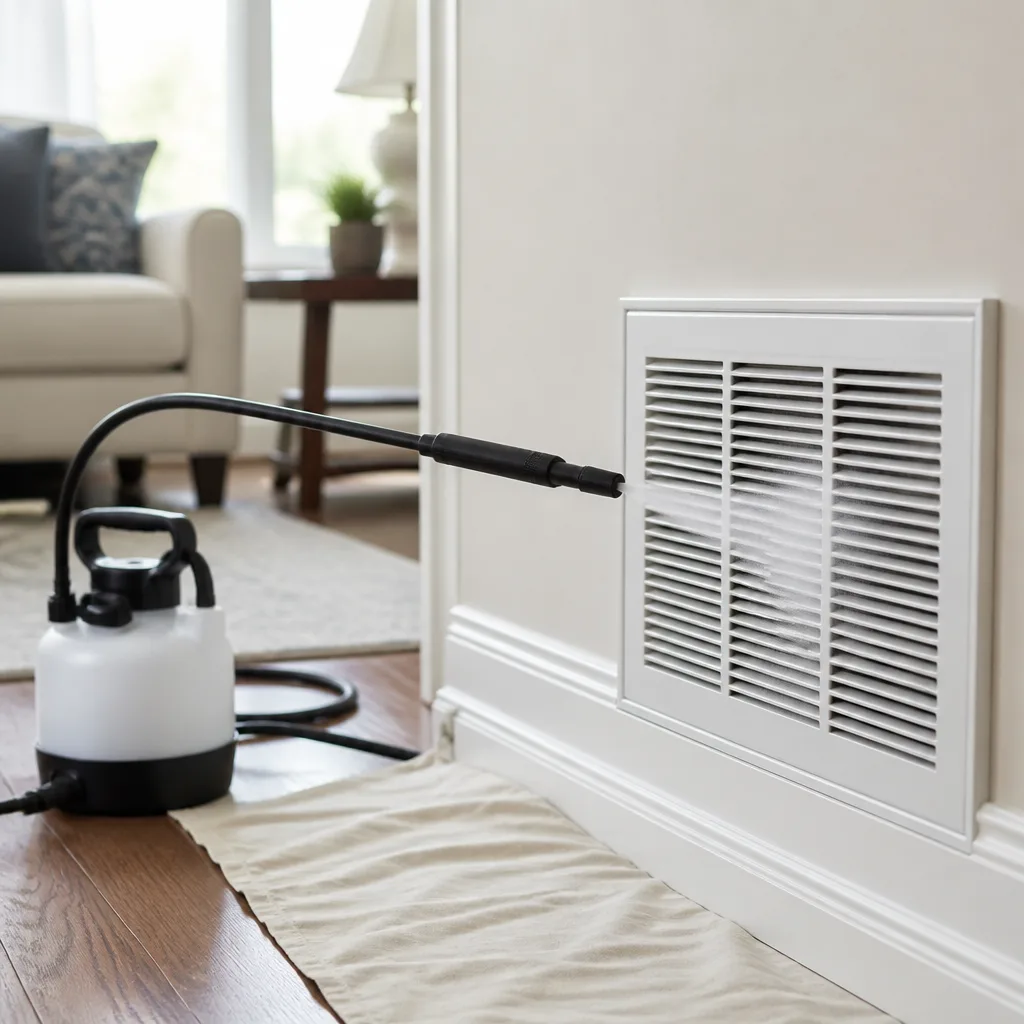 Sanitizing & deodorizing
Whole-system duct and dryer vent check with before-and-after photos - you see exactly what came out of your vents
That "$99 whole-house special" is a bait ad - the real number appears once they are in your hallway, or the "clean" is a shop-vac at the register. We photograph the inside of your ducts before and after instead.
Air Duct Cleaning Permits, Codes & Inspections in Newark, NJ: What You Need to Know
Most homeowners in Newark assume duct work is permit-free. For routine cleaning, they’re right. But the line between “maintenance” and “regulated construction” is thinner than most people think, and it runs right through the middle of what some duct companies do without telling you. The moment a technician cuts an access panel through finished drywall, replaces a collapsed trunk line, or punches a new dryer vent termination through an exterior wall, you’ve moved from cleaning into work that New Jersey’s construction code may govern. This guide draws that line precisely: what needs a permit, what doesn’t, what landlords are exposed to, and what documentation to keep.
Quick Answer
Routine air duct cleaning in Newark does not require a permit. Duct repair, duct replacement, new access panel installation through finished surfaces, and dryer vent rerouting or new exterior terminations are construction work, and in Newark those scopes typically fall under the New Jersey Uniform Construction Code (Title 5, Subchapter 23) and may require a permit through the city’s Department of Engineering and Construction. Ask any contractor to put the scope in writing and to state plainly whether a permit is required for what they’ve quoted you.
Styles & brands we work with
- Whole-home duct cleaning
- Dryer vent cleaning
- Camera inspection
- Sanitizing & deodorizing
Table of Contents
- Cleaning vs. Construction: Where the Permit Line Actually Falls
- How the New Jersey Uniform Construction Code Applies to Duct Work
- Newark Permits: Dryer Vents, Exterior Terminations, and Multifamily Buildings
- Indoor Air Quality, Landlords, and Legal Exposure in Newark Rentals
- What a Legitimate Duct Repair Contractor Should Produce
- How to Protect Yourself as a Homeowner
- Inspections: What Gets Looked At and Why It Matters at Resale
- Documentation to Keep for Resale and Insurance
Cleaning vs. Construction: Where the Permit Line Actually Falls
Here’s the distinction that trips people up: cleaning a duct system is maintenance. Changing its shape, its routing, or its connection to the building envelope is construction. Newark’s older housing stock, much of it built before modern ducted HVAC existed, makes this especially relevant. Duct systems in the Ironbound, Forest Hill, and Weequahic neighborhoods are frequently retrofits, sheet-metal runs tucked into wall cavities and joist bays decades ago. When a duct cleaner finds a collapsed section or a disconnected joint in one of those systems, the honest answer isn’t always “we’ll just clean around it.”
What usually counts as maintenance, no permit:
- Mechanical cleaning of duct interiors with negative-pressure equipment
- Sanitizing or fogging duct surfaces
- Replacing filters and registers
- Re-sealing accessible joints with mastic or foil tape from outside the duct
- Cleaning the dryer vent duct interior without changing its routing
What usually crosses into construction, permit discussion warranted:
- Cutting new access panels through finished drywall or plaster
- Replacing a section of rigid duct or a flexible run
- Rerouting a duct, or removing and reinstalling a run to change airflow
- Adding, relocating, or replacing a dryer vent termination through an exterior wall or roof
- Modifying the duct system’s connection to the HVAC air handler
In our experience, the trouble starts when a “cleaning” quote quietly becomes repair work the homeowner never approved and the contractor never scoped. Start any conversation about duct work with the Duct Cleaning Newark overview so you know exactly what you’re buying, then ask what the cleaning excludes.
How the New Jersey Uniform Construction Code Applies to Duct Work
New Jersey regulates building construction through the Uniform Construction Code, adopted under Title 5, Subchapter 23 of the New Jersey Administrative Code. The UCC breaks construction into subcodes: building, electrical, plumbing, fire, and mechanical. Duct work, broadly speaking, touches the mechanical subcode when the work goes beyond cleaning, because ducts are part of the mechanical system that moves conditioned air through the structure. The UCC also assigns enforcement to the local construction official in each municipality, which means Newark enforces through its own office rather than a county authority.
Practically, here’s what that means for a Newark homeowner:
- The city’s construction official, not the contractor, decides whether a given scope requires a permit. Contractor opinion is informative; the construction official’s determination is what counts.
- When a permit is pulled, inspections follow at defined stages. Duct replacement usually falls into a final mechanical inspection.
- Work done without a required permit doesn’t disappear. It stays in the file as unpermitted work until someone resolves it, and the resolution is often more expensive than the permit would have been.
- Permit records follow the property, not the contractor. That’s the point most homeowners miss, and it’s why an improper job in 2021128 can surface at a 2024 closing.
We’re not code officials and this isn’t legal advice. What we can tell you is that the ask is reasonable and the answer should come in writing. If a duct contractor can’t tell you whether the work they’re quoting needs a permit in Newark, that’s a signal about how the rest of the job will go.
Newark Permits: Dryer Vents, Exterior Terminations, and Multifamily Buildings
Dryer vent work is where permits get pulled most often in Newark, and it’s the service category most duct cleaners don’t offer at all. The reason is simple: cleaning a dryer vent duct interior doesn’t change the building. Rerouting that vent, relocating the termination, or adding a new termination through an exterior wall or roof does. When that termination is on a multifamily building, several things stack up at once: the work touches the building envelope, it may cross a party wall or fire separation, and it’s often not the building owner’s own unit.
For those scopes, Newark’s Department of Engineering and Construction is where the permit question gets answered. If you own or manage a two- or three-family in the North Ward or a larger multifamily property in University Heights, plan for the conversation to be a real one. Some practical notes:
- New penetrations through exterior walls almost always warrant a permit inquiry, regardless of what the penetration is for.
- Relocating a dryer vent closer to an exterior wall to shorten the run is common in Newark’s narrow row houses, and it’s construction, not maintenance.
- Fire separations between units are regulated, and anything that penetrates one needs scrutiny.
- Routine duct and dryer vent cleaning in a multifamily unit does not typically require a permit, but the building owner’s consent often does.
For routine dryer vent cleaning, the permit question rarely comes up. The safety question comes up constantly, because lint accumulation in a long dryer vent run is a genuine fire risk and Newark’s older buildings tend to have long, winding runs to reach an exterior wall.
Indoor Air Quality, Landlords, and Legal Exposure in Newark Rentals
For landlords and property managers, the code question underneath the code question is indoor air quality. New Jersey sets a state indoor air quality standard for public and private employers through the Public Employees Occupational Safety and Health Act (PEOSH) program and related Department of Health standards; the exact application to residential rental units is nuanced, and we’re not in a position to give you a legal opinion on it. But the operational point is blunt: if ductwork is documented as contaminated, and the documentation exists in your file, ignoring it is a choice with consequences.
What that means in practice:
- Get duct condition in writing. A written assessment of what was found and what was done is the single most useful piece of paper a landlord can hold.
- Get before-and-after photos of the duct interiors, not just the register grilles. Photos are evidence; a verbal report isn’t.
- If a cleaning finds mold growth, damaged duct lining, or a disconnected run, that’s a repair issue. Distinguish it clearly from cleaning in your records.
- Keep tenant reports about musty smells or unexplained respiratory complaints. The pattern is what counts.
If you’re documenting an indoor air quality problem for a Newark rental and the system includes a Honeywell or Aprilaire component, note it in the file. Those components need to be assessed as part of the system, not treated as separate from the cleaning, and the identification helps whoever takes over the file next.
What a Legitimate Duct Repair Contractor Should Produce
When you actually need repair work, credentials matter more than the cleaning quote. A contractor who will clean your ducts is a different animal from a contractor who will cut into your walls and replace duct sections. Before anyone touches the system beyond cleaning, ask for three things: New Jersey Home Improvement Contractor (HIC) registration, a certificate of liability insurance, and a clear willingness to pull a permit when the scope warrants one.
The HIC registration is a state requirement for home improvement work in New Jersey above a modest dollar threshold, and the contractor should be able to produce the registration number without friction. Liability insurance coverage should be current and the certificate should name the insured entity clearly. And the permit part is the honest test: a repair contractor who tells you “we never pull permits” is telling you something about how they handle every job on the list.
Two red flags in Newark specifically:
- Quotes that jump from “cleaning” to “repair” once the technician is on site, without a written change order. The scope should be agreed before the work starts.
- Repair work priced at the same line item as cleaning. Duct repair involves different labor and materials and should appear separately in the estimate.
Our technicians have up to 8 years of experience and work with Rotobrush and Nikro cleaning systems. When air duct cleaning turns up damaged ductwork, we don’t leave it for someone else to fix, and we’ll tell you in writing when the repair scope crosses into permit territory.
How to Protect Yourself as a Homeowner
The single most useful thing a homeowner can do is get the scope in writing before anyone gets on a ladder. Not a verbal agreement, not a text confirmation, a written scope that says what will happen and what won’t. “Cleaning only” is a contractual phrase with real meaning; it should be written as such, on paper, with a signature line.
Here’s a workable process for a Newark homeowner:
- Get a written scope of work before the visit. What’s included: registers, trunks, main runs, dryer vent if any. What’s excluded: any repair, any new access panel, any modification.
- Ask the permit question in the same conversation. “If you find damaged duct, will the repair require a permit, and will you pull it?” Ask it before the visit, so the answer isn’t improvised on-site.
- Insist on before-and-after photos of the duct interiors. Photos at the register grille don’t count; the insides do.
- Keep the estimate, the invoice, the photos, and any permits pulled. These documents are what a buyer’s inspector asks for at resale, and what an insurer asks for if a claim ever happens.
- If repair work is added during the visit, get a written change order before approving it. No exceptions.
If a contractor resists any of these asks, that’s information. The good ones put it in writing without being asked. Whether the repair scope eventually requires a permit in Newark is a question between you, the contractor, and the city construction official, and getting an honest answer about it early saves real headaches later.
Inspections: What Gets Looked At and Why It Matters at Resale
When a duct repair scope does get permitted through Newark’s Department of Engineering and Construction, an inspection follows. A mechanical inspection isn’t a deep forensic audit of duct airflow; it’s a check that what was installed matches what was permitted, that the materials and connections meet the mechanical subcode, and that nothing is patched in a way that fails basic safety. For duct work adjacent to mechanical equipment, a combustion safety check may also enter the picture; on gas-fired equipment, that’s not a detail to skip.
Why it matters at resale: title and home inspectors pull permit records, and a permit for duct work is a paper trail. A lack of paper trail where paper trail is expected doesn’t always kill a transaction, but it slows it down and forces negotiation. In our experience, the buyer’s inspector flags the unpermitted work, the seller gets a repair quote, and the closing is delayed while everyone argues. The savings from skipping the permit rarely survive that math.
On the cleaning side, inspections don’t typically apply. A cleaning job that leaves the system in the condition it was found, just cleaner, is maintenance and stays that way. The inspection conversation belongs to the repair conversation.
Documentation to Keep for Resale and Insurance
Here’s the evergreen answer: keep everything. The estimate, the invoice, the before-and-after photos, the name of the technician or company, the date of service, the permit application if one was pulled, and the inspection record if one occurred. That file is what protects you at resale, in an insurance claim, or in a landlord dispute.
What that file should contain, at minimum:
- The written scope of work as agreed before the visit, signed or confirmed in writing.
- The estimate and the invoice, both showing what was actually done, not just the total price.
- Before-and-after photos of duct interiors. Ask for them if they aren’t offered; if you have to ask twice, note it.
- Permit and inspection records, if the scope included repair that required a permit.
- Dryer vent cleaning records separately from duct cleaning records. If a fire happens, the insurer will want to see the vent history.
If the system includes Honeywell or Aprilaire components, note the model numbers in the file. A future technician, a buyer’s inspector, or an insurance adjuster will ask. For more on the Newark service picture and how duct work fits into the local housing stock, start there.
Common Mistakes to Avoid
- Assuming all duct work is permit-free. Routine cleaning is. Cutting access panels, replacing duct sections, and rerouting dryer vents usually isn’t. Don’t accept a “no permit needed” answer without the scope in writing.
- Letting a “cleaning” visit morph into repair on the spot. Newark’s older housing stock often has genuinely damaged ductwork, but a reputable contractor will quote the repair in writing as a separate line item, and let you approve it as a separate decision.
- Skipping the before-and-after photos. It’s the only way to know the work was done, and it’s the only documentation worth having at resale or in a claim. Ask for interiors, not register grilles.
- Treating a landlord’s file as optional. For Newark rental properties, documentation of duct condition (and remediation if found) is the difference between a defensible file and an exposure.
- Letting an unpermitted repair ride. Whatever the savings from skipping the permit, the unpermitted work stays in the record. It surfaces at sale, and the resolving cost is never lower than the permit would have been.
- Ignoring dryer vent dust because the dryer still works. A dryer that runs but takes twice as long to dry a load is a warning sign of lint accumulation in the vent. Newark’s narrow row houses produce long vent runs that trap lint.
- Conflating a cleaning with an IAQ assessment. Cleaning is cleaning. If the concern is indoor air quality (mold, moisture, musty smells, occupant complaints), that’s an assessment and a different conversation.
See the difference
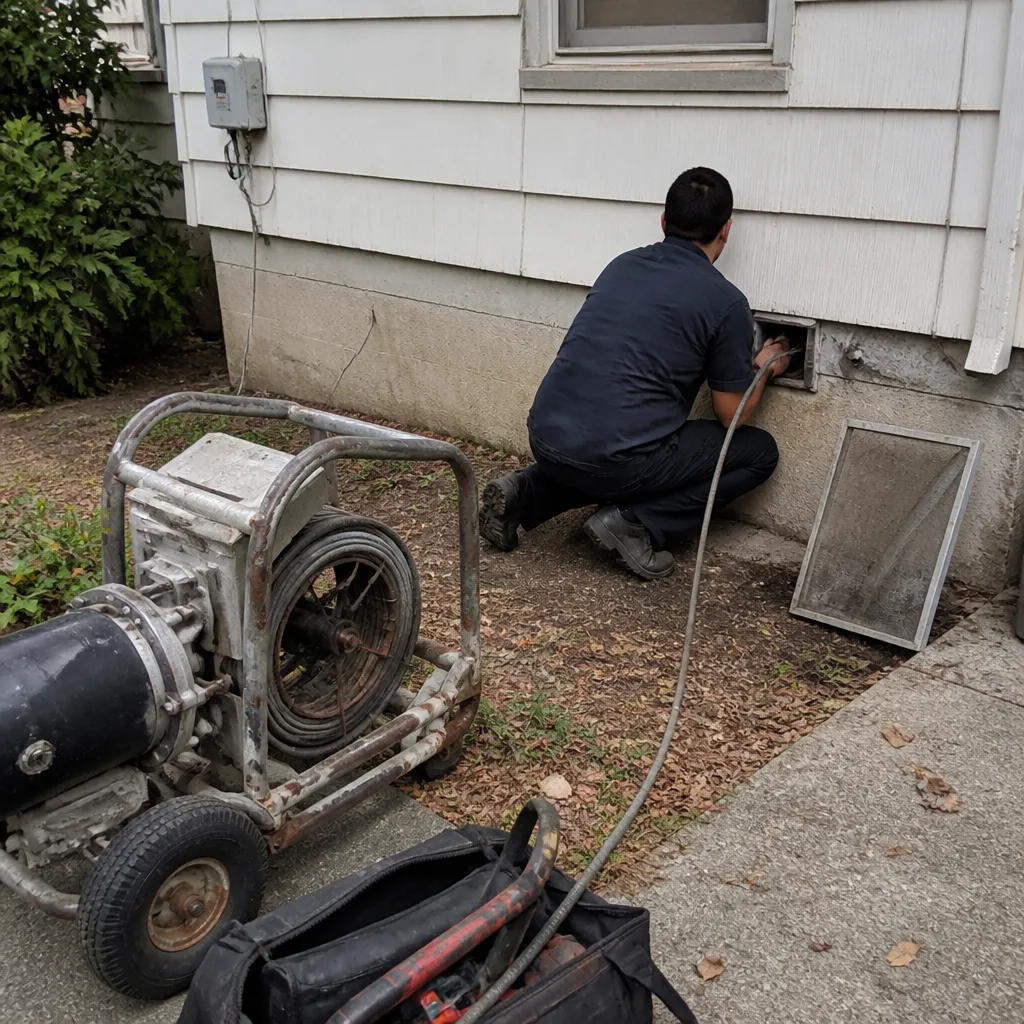 Before
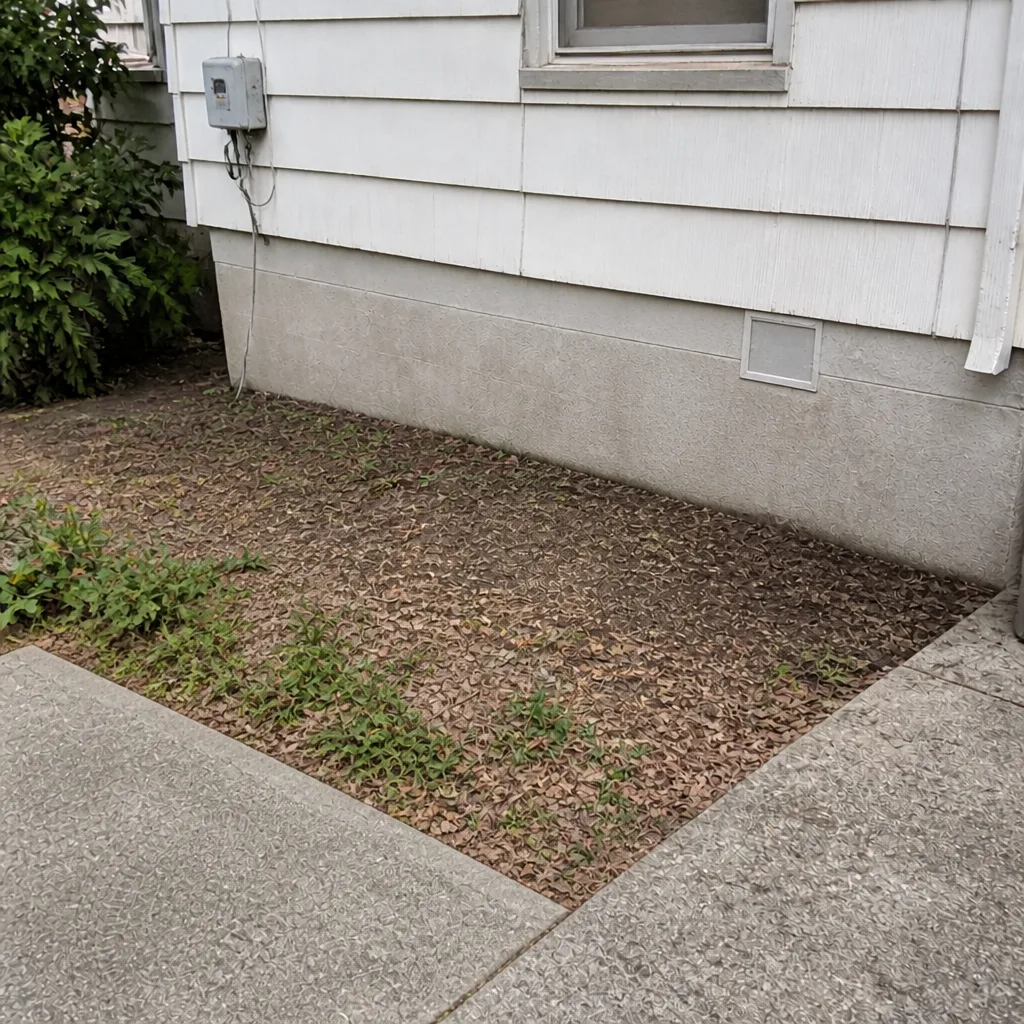 After
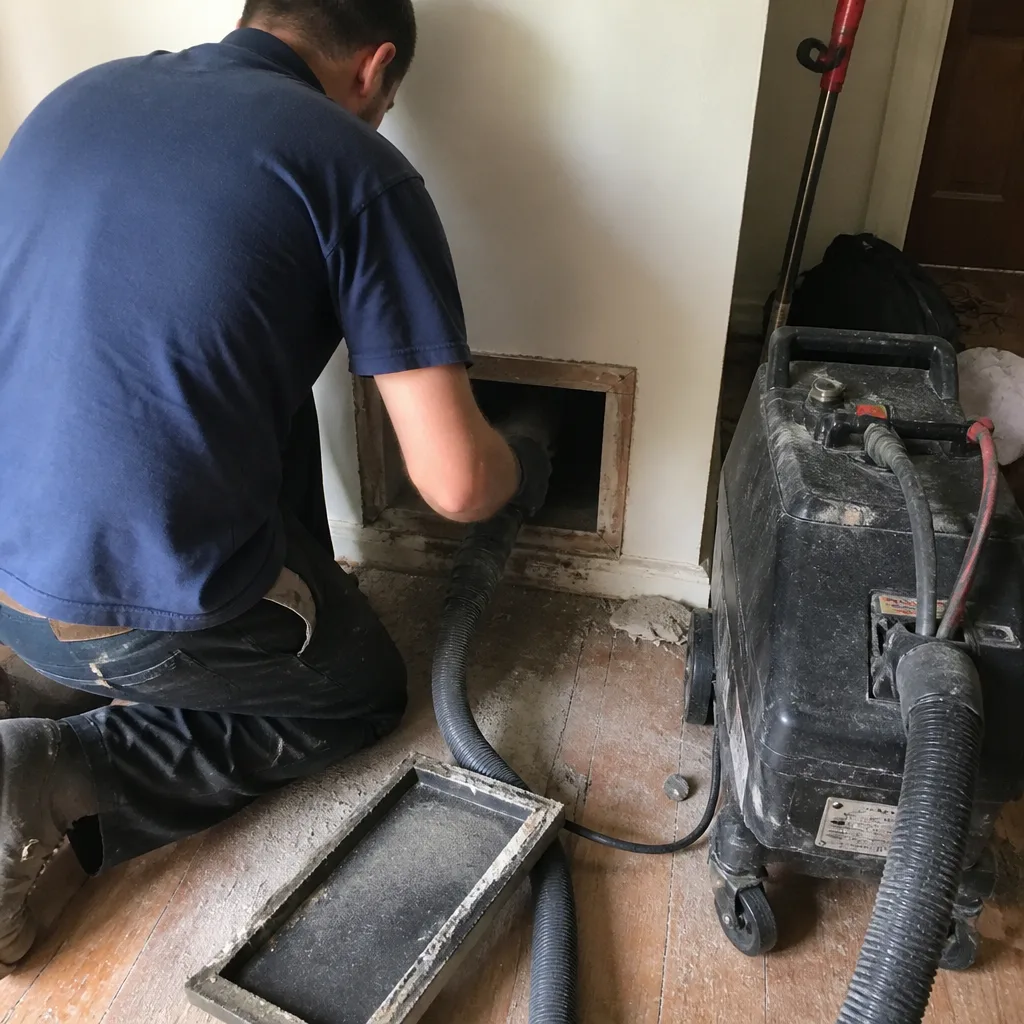 Before
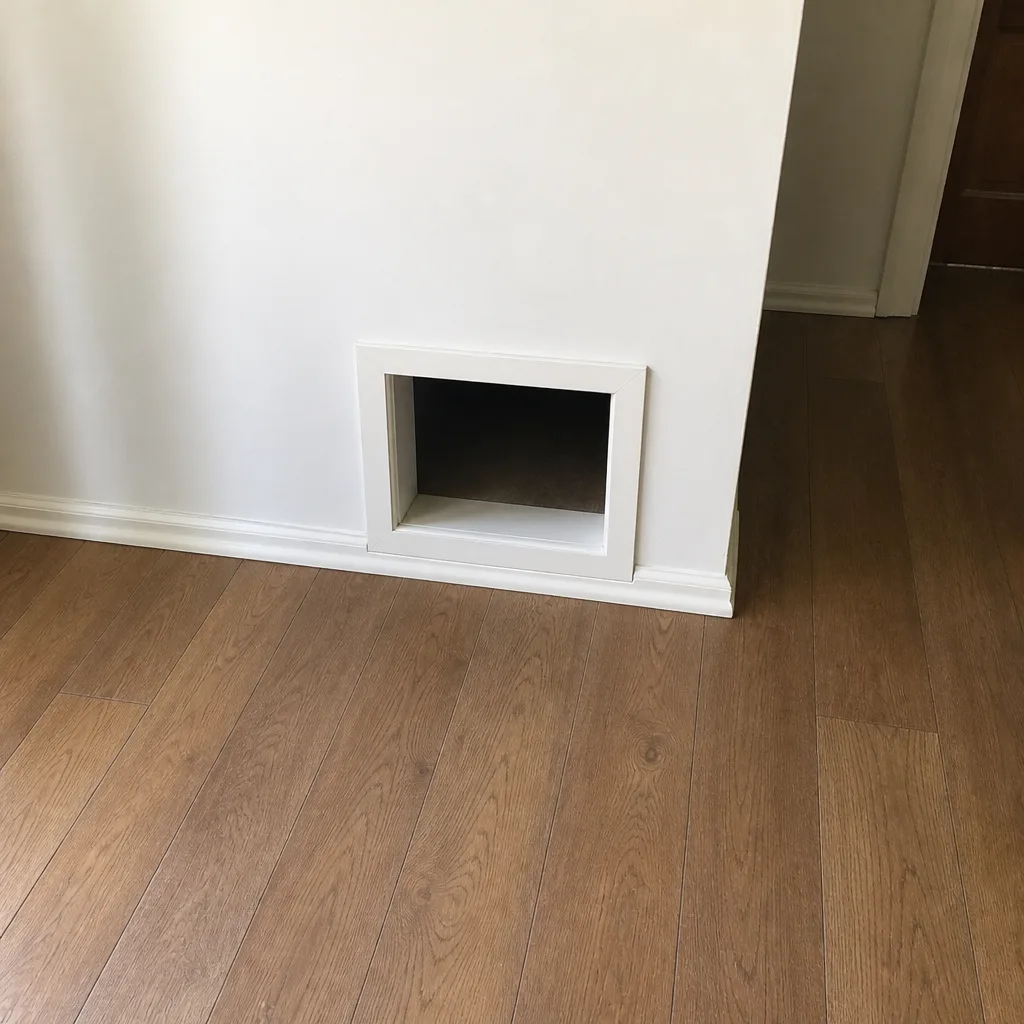 After
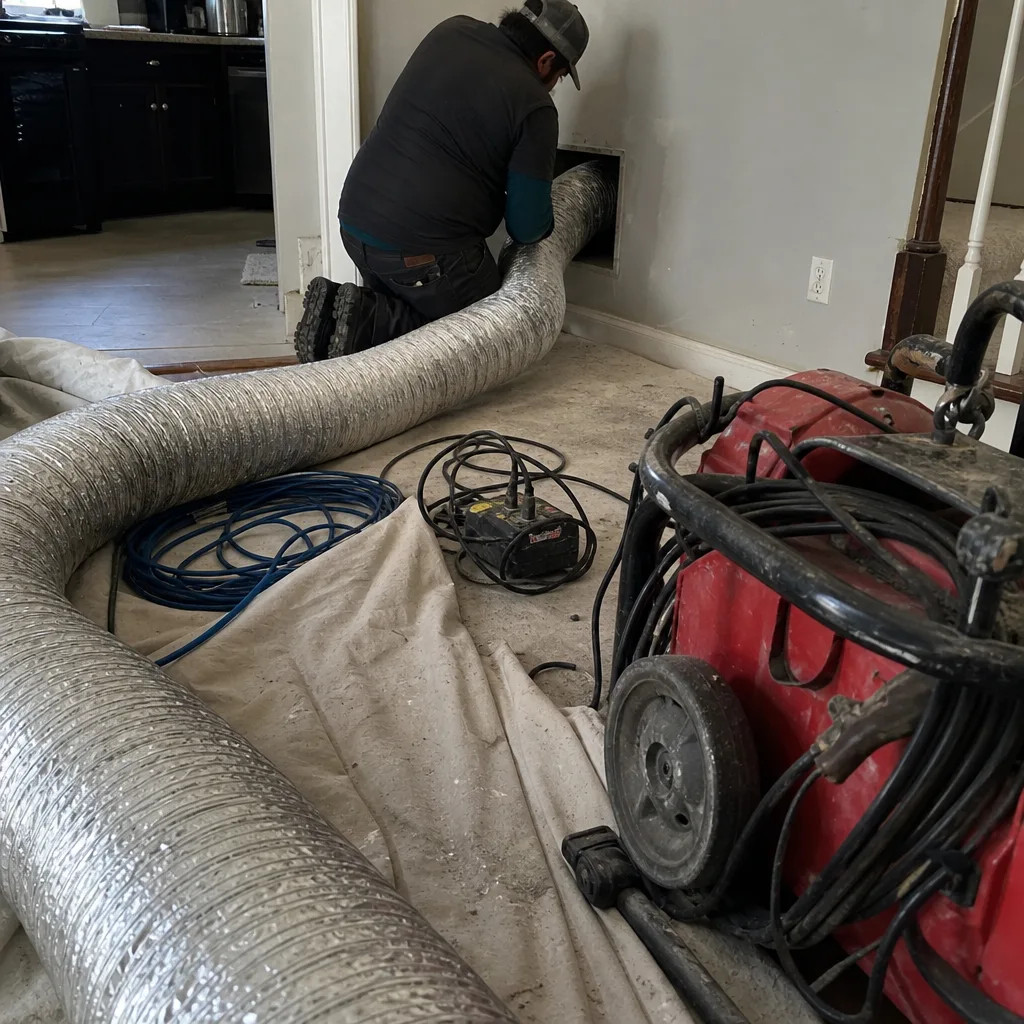 Before
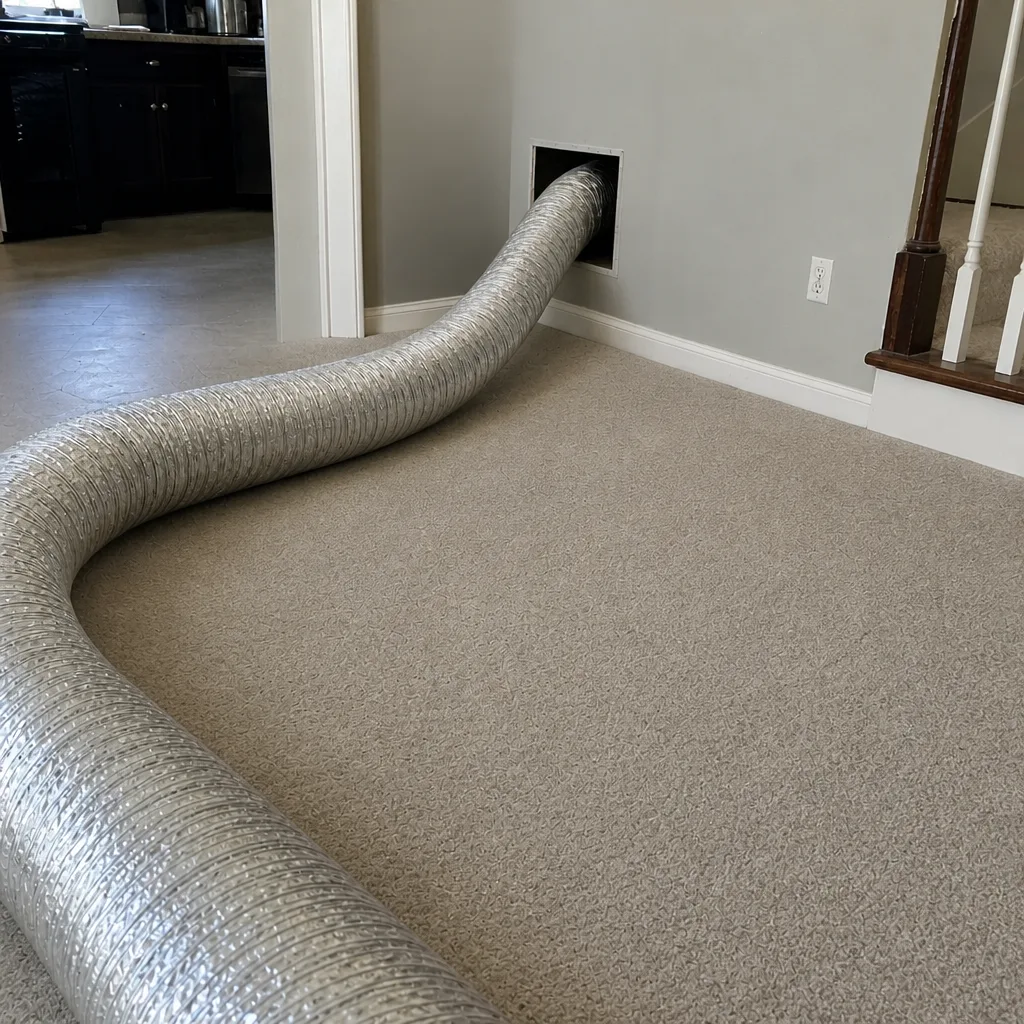 After
When to Call a Professional
Call a professional when the duct problem is deeper than surface dust. That includes a dryer that takes two cycles to dry a load, visible lint accumulation at the exterior termination, a musty or damp smell when the HVAC starts up, visible mold or damage at any register, a known collapsed or disconnected duct from a prior inspection, or documentation of contamination in a rental property that needs to be addressed. Those scenarios are not cleaning opportunities; they’re assessments and, in many cases, repairs. We clean, repair, and clear dryer vents as three connected services because the problems usually show up together. Duct Cleaning Newark offers free estimates in Newark, and we’ll tell you in writing what the scope is and where permit questions apply. Call (866) 485-3609.
Frequently Asked Questions
No. Routine air duct cleaning in Newark does not require a permit because it’s maintenance, not construction. Permits enter the picture only when the work changes the system, such as replacing duct sections, cutting access panels through finished surfaces, or modifying a dryer vent termination. If you’re unsure which category your job falls into, ask the contractor and ask the city construction official; the contractor’s opinion is useful but not authoritative.
Duct repair that modifies the mechanical system typically requires a permit under the New Jersey Uniform Construction Code, enforced locally by Newark’s construction official. Simple repairs like re-sealing an accessible joint from outside the duct usually don’t. Replacing duct sections, adding access panels, and rerouting a run usually do. The line isn’t fixed; it depends on the specific scope, so ask the city rather than the contractor alone. Call (866) 485-3609 for a free estimate and we’ll scope the job in writing first.
Newark’s Department of Engineering and Construction is the local enforcement office for the New Jersey Uniform Construction Code. Permits for duct repair, dryer vent rerouting, and new exterior terminations go through that office, and inspections follow at the stages defined by the mechanical subcode. For a multifamily building, additional fire separation considerations may apply, and the office will tell you which additional review is required.
Keep the written scope, the estimate and invoice, before-and-after photos of the duct interiors, and any permit or inspection records if repair work was permitted. That file protects you at resale, in an insurance claim, and in landlord documentation. If the system has Honeywell or Aprilaire components, note the model numbers so a future technician or inspector can identify them without opening the unit.
Duct cleaning removes accumulated contaminants from the duct system, and that often improves indoor air quality, but cleaning is not the same as an air quality assessment. If you’re dealing with a musty smell, moisture problem, or suspected mold in the ductwork, that needs a separate conversation. In our experience, HVAC-adjacent air quality systems (Aprilaire filtration, whole-home humidifiers) are worth assessing at the same time as cleaning if the underlying problem keeps recurring. Call (866) 485-3609 to talk through the specifics before booking.
Cost depends on the size of the system, the number of runs, and the condition of the ductwork. Newark’s housing stock varies widely, from compact row houses to larger multifamily buildings, and a whole-system price is the only honest way to quote one. We give one flat price per system agreed before work starts, and we don’t quote per-vent prices. Call (866) 485-3609 for a free estimate.
The Bottom Line
Air duct cleaning in Newark doesn’t require a permit. Duct repair and any work that modifies the system or penetrates the building envelope does, and the line between the two is worth knowing before a contractor shows up. The practical rules: get the scope in writing, ask the permit question before anyone arrives, insist on before-and-after photos of duct interiors, and keep everything for resale, insurance, and landlord records. If the scope crosses into repair, ask for HIC registration and liability insurance, and let the city construction official, not the contractor, answer whether a permit is required. Everything else is easier to sort out before the work than after.
Call (866) 485-3609 for a free estimate. We answer 24/7. Fast dispatch from 7am to 7pm, Sunday through Friday.
Written by the team at Duct Cleaning Newark.