
Nikro Air Duct Cleaning in Newark: A Homeowner’s Guide
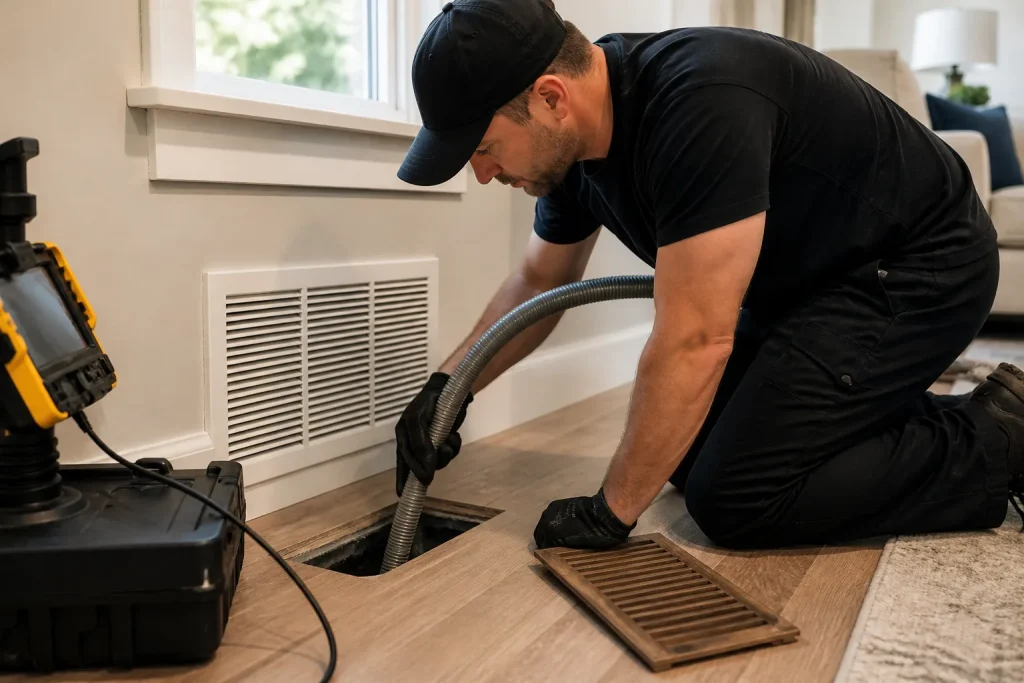
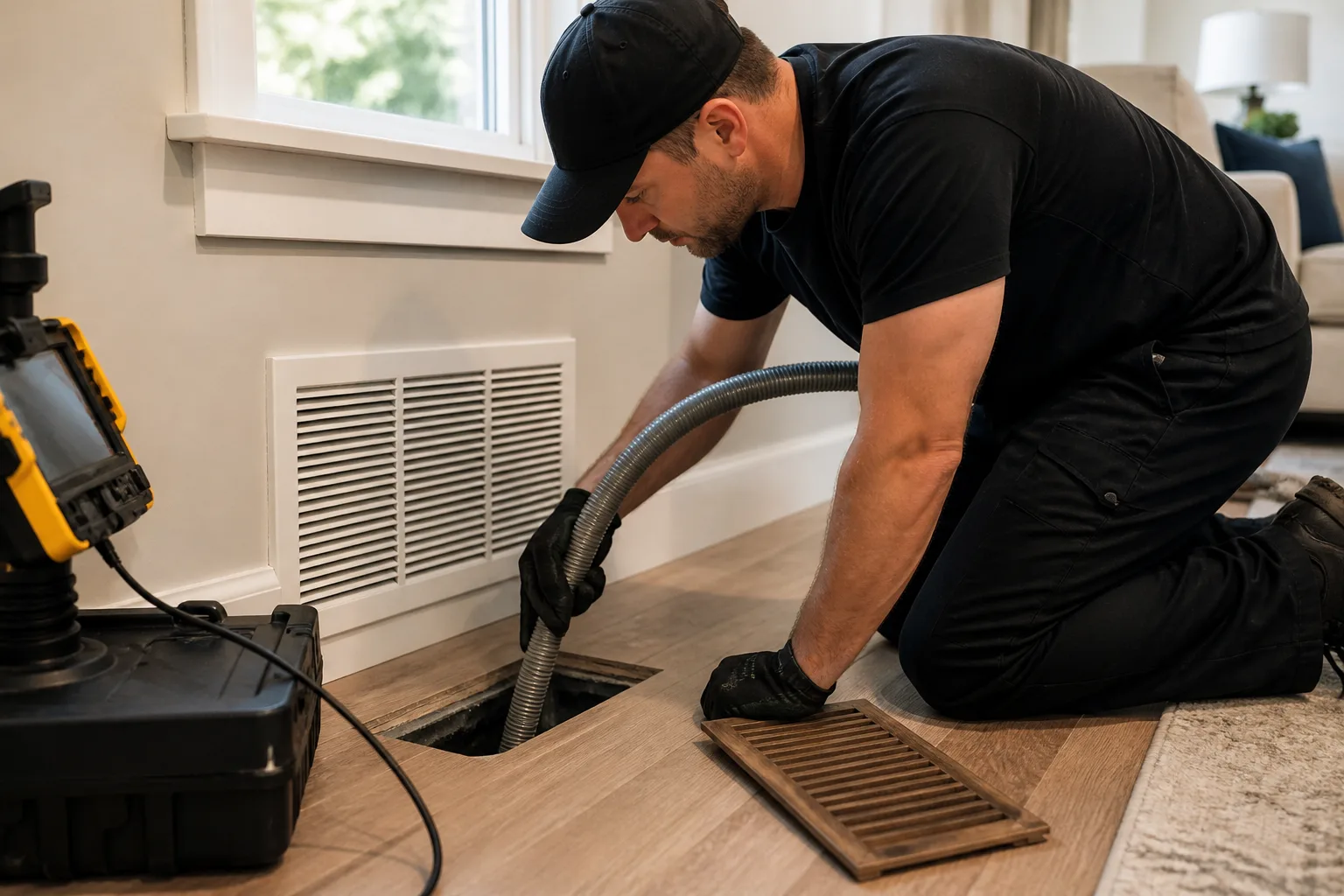
Most homeowners in Newark who book a duct cleaning never ask what machine is coming into their house. They ask the price, then they move on with their day. That’s the mistake this guide wants to fix. The equipment matters more than almost anything else, because a vacuum that can’t hold negative pressure doesn’t clean ducts – it just moves dust around the room. Nikro machines show up in remediation protocols for one reason: they sustain the suction needed to capture fine particulate at the source instead of launching it into the air column.
Key Takeaways
- Nikro is a professional duct and remediation equipment brand, not a consumer vacuum. The difference is measured in airflow, static pressure, and filtration at the exhaust.
- HEPA filtration at the vacuum stage (0.3 micron capture) is what keeps the cleaning from becoming an indoor air event of its own.
- Newark’s older housing stock – galvanized trunks, flex runs, oversized main lines – puts specific demands on equipment that light-duty rigs can’t meet.
- You can verify a company actually runs Nikro or equivalent gear by asking three direct questions before you book.
- Duct cleaning is one part of the picture. Repair, dryer vent work, and air quality systems matter just as much.
What Makes Nikro Different From a Shop Vac With a Long Hose?
Nikro machines are built for sustained negative pressure, meaning the vacuum can hold a pressure differential across an entire duct system long enough to actually pull dust out rather than just agitate it. A shop vac can’t do that. It pulls a small volume of air at weak pressure and dumps the exhaust straight back into the room. When you see a technician walk in with a consumer-grade vacuum and a length of flex hose, what’s about to happen is surface disturbance, not extraction.
The practical spec you’re looking for is CFM (cubic feet per minute) combined with static pressure. CFM tells you how much air the machine moves. Static pressure tells you how hard it can push or pull against resistance. Duct systems are all resistance: turns, transitions, filter grilles, and long trunk runs. A high-CFM machine with weak static pressure stalls out the moment it meets real ductwork. A Nikro-class unit is engineered to keep both numbers up, which is why it holds suction even when it’s hooked to a large trunk line in a Newark two-family where the main run is longer than the equipment designer probably expected.
What that means for you: a full cleaning pass actually removes the fine dust that settles on duct walls, not just the visible debris on the floor of the duct. That finer material is the part that recirculates into the living space every time the system cycles.
Why HEPA Filtration at the Vacuum Stage Matters in Newark
Here’s the part most homeowners never hear. Duct cleaning agitates everything that’s been sitting still in the system. If the vacuum exhaust isn’t filtered to a high standard, some of what gets loosened goes right back into the room air. That’s why professional remediation protocols call for HEPA filtration at the collection point, typically rated to capture particles down to 0.3 microns. Nikro units in professional service are built to run that filtration inline, not as an afterthought.
Why does this matter in Newark specifically? A lot of the housing stock here is older, and older homes have been through decades of renovations, filter changes, and seasonal use. The dust load in those systems is real, and it’s fine-grained. When a technician skips the HEPA stage – or uses a machine that can’t handle the filter load – you may end up with a cleaner duct and a temporarily dustier house. That’s the opposite of what you paid for.
When we run a job with air duct cleaning, the vacuum setup is the first thing we look at, because it’s the thing that protects the rest of the work. If you’d rather not think through the filtration math yourself, call (866) 485-3609 and we’ll walk you through what the equipment actually does on a job.
What Newark’s Duct Systems Actually Demand From Equipment
Newark homes aren’t uniform, and the equipment has to match the system it’s cleaning. Three common conditions in the city push equipment harder than a suburban new-build would:
- Galvanized steel trunk lines. Rigid metal ductwork holds its shape well but collects dust on flat surfaces that a weak vacuum can’t lift. High static pressure is what pulls the dust off the wall of the duct rather than just pushing air past it.
- Flex duct runs. Flex has ridges, and ridges trap debris in ways smooth metal doesn’t. The right approach is gentler airflow with a rotary attachment (Rotobrush-style) rather than a brute-force blast that risks tearing the liner. This is one reason we run both Nikro and Rotobrush platforms – the right machine for the right duct type, not one tool forced onto every job.
- Oversized trunk lines. Some Newark homes have main trunks sized for a much larger system than the one now connected. That longer, wider run means the vacuum has to sustain suction across more distance. Undersized equipment loses pressure before it reaches the far end of the run.
We also carry Abatement Technologies equipment, which is a name you’ll recognize if you’ve ever read a remediation spec. It’s the same standard used in professional mold and contaminant work, and it tells you something about the level of capability on the job – not just a duct cleaner with a hose, but equipment built to handle conditions that require real containment and filtration.
How to Verify a Company Actually Runs Nikro Equipment
Any company can list Nikro on a website. Very few operate it on every job. If the equipment claim is what’s going to influence your decision, ask these three questions before you book:
- “What model Nikro unit will be on my job?” A technician who actually runs the gear can name the model line without hesitation. If the answer is vague (“Nikro or equivalent” with no detail), that’s a signal.
- “What’s the filtration rating at the vacuum exhaust?” The right answer involves HEPA filtration and a micron rating (0.3 microns is standard for true HEPA). If they can’t tell you, the filtration is either absent or decorative.
- “Will I see before-and-after photos of my own ducts?” This is the accountability check. A company running real equipment takes photos because the results are visible. Ask for interior shots – not just the register covers.
You might also ask whether they run a rotary platform alongside the vacuum. At Duct Cleaning Newark, we run both Nikro and Rotobrush systems, which lets the technician match the cleaning method to the duct construction rather than force one approach across the whole house. That’s not a sales point – it’s an equipment reality on mixed-construction systems, which most Newark homes have.
When to Call a Pro (and What to Have Ready)
Some symptoms point clearly toward professional attention: visible dust blowing from registers after a filter change, a musty smell that shows up when the system kicks on, uneven airflow between rooms, or a dryer that takes two cycles to dry a normal load. That last one often means a clogged dryer vent, which is a fire-risk service most duct-only companies don’t handle. We include it in dryer vent cleaning as a standard offering because it’s the same category of work: ventilation systems that need to be clear and safe.
There’s also the case where cleaning uncovers damage: torn flex, disconnected sections, gaps at joints. Most duct cleaners walk past that and hand you a cleaning invoice. We treat air duct repair as part of the job, because leaving damaged ductwork for another contractor doesn’t solve the homeowner’s problem – it just delays it. When something needs fixing, we can close the gap, seal the leak, or replace the damaged section while we’re already in the system.
And if you’re thinking past the cleaning toward indoor air quality over the long term, we install and service Honeywell and Aprilaire systems. That’s the bridge between a one-time cleaning and a system that keeps air cleaner going forward. Call (866) 485-3609 with the system details you have and we can talk through what makes sense for your home.
The Bottom Line
Nikro equipment matters because it does something specific: it holds negative pressure and filters the exhaust well enough that cleaning ducts doesn’t turn into redistributing dust. In Newark’s older housing stock, that capability is the difference between a surface pass and a real extraction. The next time you book a cleaning, ask what machine is coming and whether the exhaust is HEPA-filtered. The answer tells you almost everything.
Whether you’re comparing quotes, dealing with a specific smell or airflow issue, or just trying to figure out what’s actually sitting in your ducts, free estimates are available. Call (866) 485-3609. We answer 24/7. Fast dispatch from 7am to 7pm, Sunday through Friday. You can also start with a look at how the team handles Newark homes specifically – the housing stock shapes the approach.
Frequently Asked Questions
Yes. Nikro units are built to sustain higher static pressure and run HEPA filtration at the exhaust, which means they capture fine particulate rather than just dislodging it. A standard shop-vac setup moves air, but it can’t hold pressure across a real duct system or filter to 0.3 microns. For older Newark homes with longer trunk runs, that difference shows up in the results. Call (866) 485-3609 to talk through your system.
The clearest signs are dust blowing from registers shortly after a filter change, a musty smell when the system runs, uneven airflow between rooms, or visible debris on return grilles. If your home is older, or you’ve recently done a renovation, the dust load is likely higher. Call (866) 485-3609 for a free estimate – a technician can assess the system in person.
Nikro handles both, but the right method depends on the duct type. Flex duct needs a gentler rotary approach because the ridged liner traps debris and can tear under aggressive airflow. That’s why running two platforms – Nikro and Rotobrush – is the practical answer for a house with mixed construction. A Newark home with galvanized trunk lines and flex branches needs both, not one. Call (866) 485-3609 to confirm what your system requires.
Cleaning removes accumulated dust and debris from inside the system. Repair fixes the structural issues that cleaning often uncovers: disconnected sections, torn flex, gaps at joints, or damaged trunk lines. Both are handled by Duct Cleaning Newark so you don’t have to coordinate a second contractor. If you’re not sure which you need, call (866) 485-3609 and we’ll help you figure it out.
Written by the team at Duct Cleaning Newark.
Need Air Duct Cleaning Help?
Call Duct Cleaning Newark - licensed & insured, with free written estimates in Newark.
(866) 485-3609